
Outdoor Photos for Dating Apps: Location Guide
Best outdoor locations and techniques for dating profile photos. Parks, urban spots, and golden hour timing explained by a portrait photographer.
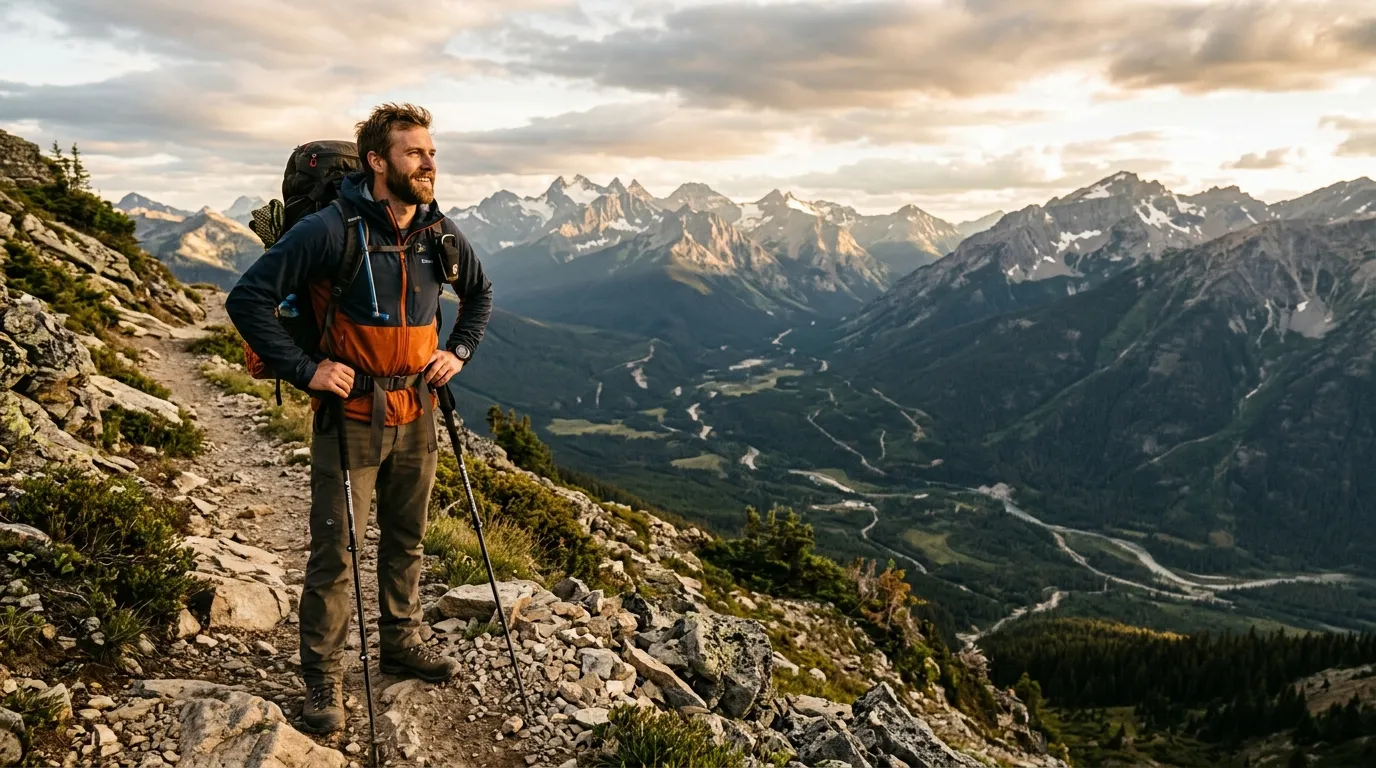
Natural light transforms ordinary photos into something people actually stop scrolling for. Hinge data shows profiles with outdoor or travel photos receive 30% more likes than average. And here's the surprising part: only 3.4% of profiles include them. That gap is your opportunity.
You don't need a flight to Santorini or a hike up Machu Picchu. A local park works. So does a tree-lined street in your neighborhood. The trick is understanding what makes outdoor photos effective in the first place.
 Before
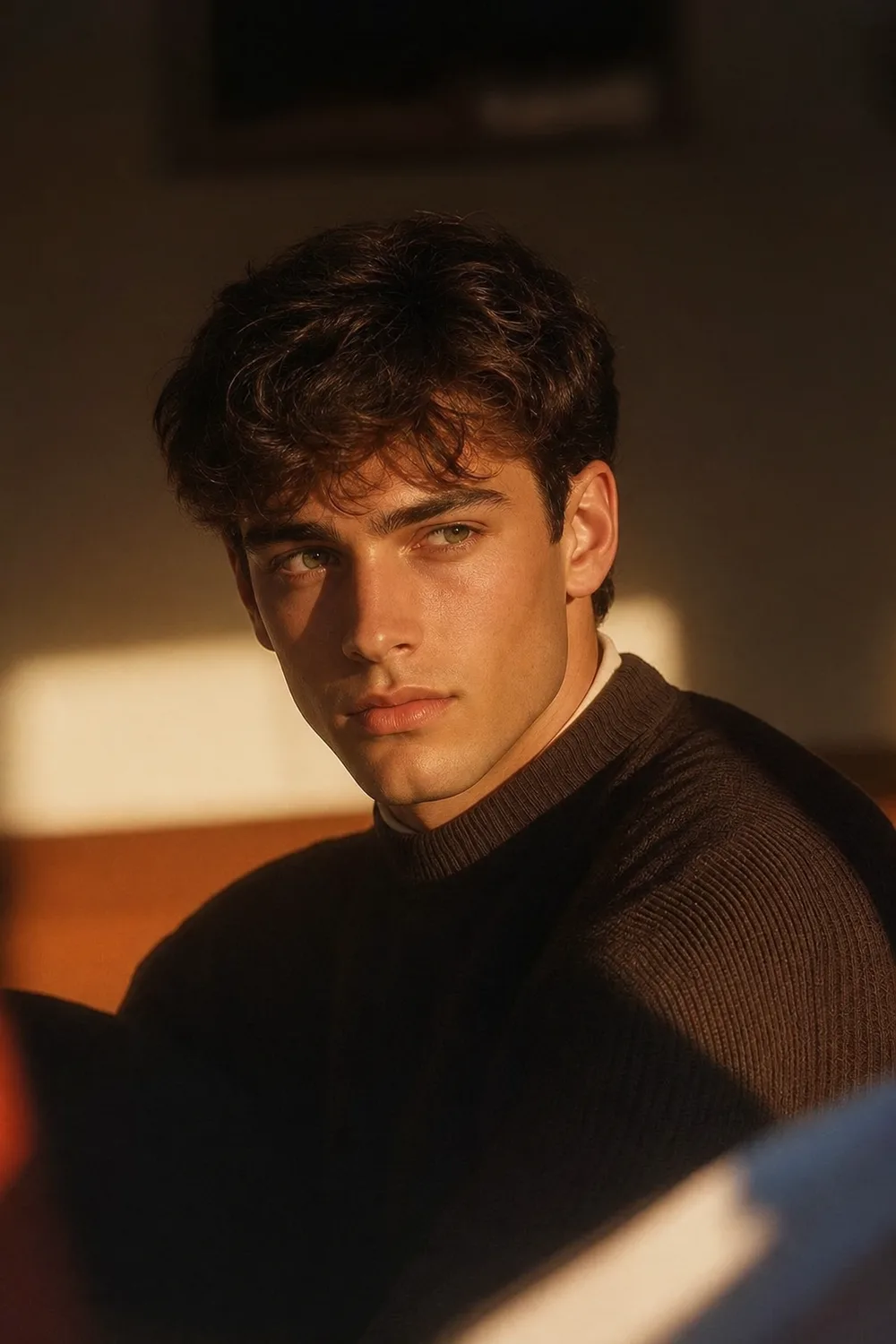 After
AfterStudio / Private by design
See yourself shot properly.
Use our AI dating photo generator to create profile pictures from four everyday selfies. Your uploads are encrypted, never used to train AI, and become inaccessible five days after upload.
Or quick sign-in from here
Why Outdoor Photos Work
People form impressions of dating photos in under 0.4 seconds, according to a 2025 Hinge study. In that fraction of a second, your brain processes two things: the person and the environment. Outdoor backgrounds signal something that indoor selfies don't.
Photos showing outdoor activities like hiking get 45% more likes than sedentary indoor shots. Hiking photos work because of what they signal: you have interests and might be fun to spend a Saturday with. A background with trees and natural light says all of that before anyone reads your bio. If you're wondering how to get more matches overall, your photos are 90% of the equation.
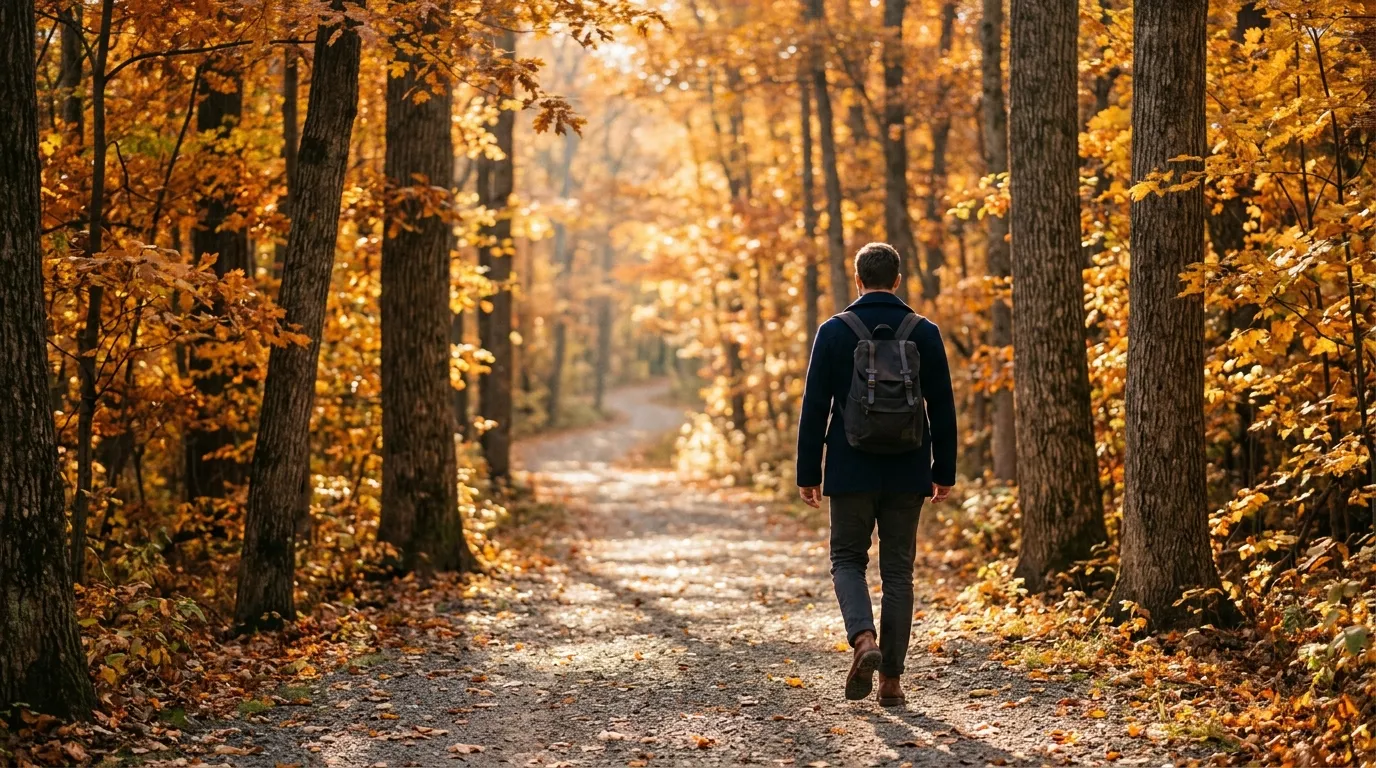
Women are 33% more likely to initiate conversations when a profile includes travel or outdoor photos. The psychology is straightforward (most phone cameras default to wide-angle, which distorts faces in cramped indoor settings, while outdoor distance looks more natural). Outdoor photos also benefit from better light, which brings us to the part most people get wrong.
Timing: Golden Hour and Overcast Days
The single most important factor in outdoor photos is when you take them, not where.
Golden hour is the hour after sunrise and the hour before sunset. The light turns warm and soft, shadows fall at flattering angles, and even mediocre locations look cinematic. Jacob Zaki from TruShot puts it simply: "Golden hour and overcast days produce the best natural light. Avoid fluorescent indoor lights and direct midday sun."
Here's the counterintuitive advice: cloudy days are better than sunny ones. A survey found 67% of portrait photographers prefer overcast conditions. Clouds act like a massive softbox, diffusing harsh shadows that cut across faces at noon. If it's sunny, face partially toward the sun so your face isn't backlit and dark. Never stand with the sun directly behind you unless you want to look like a silhouette.
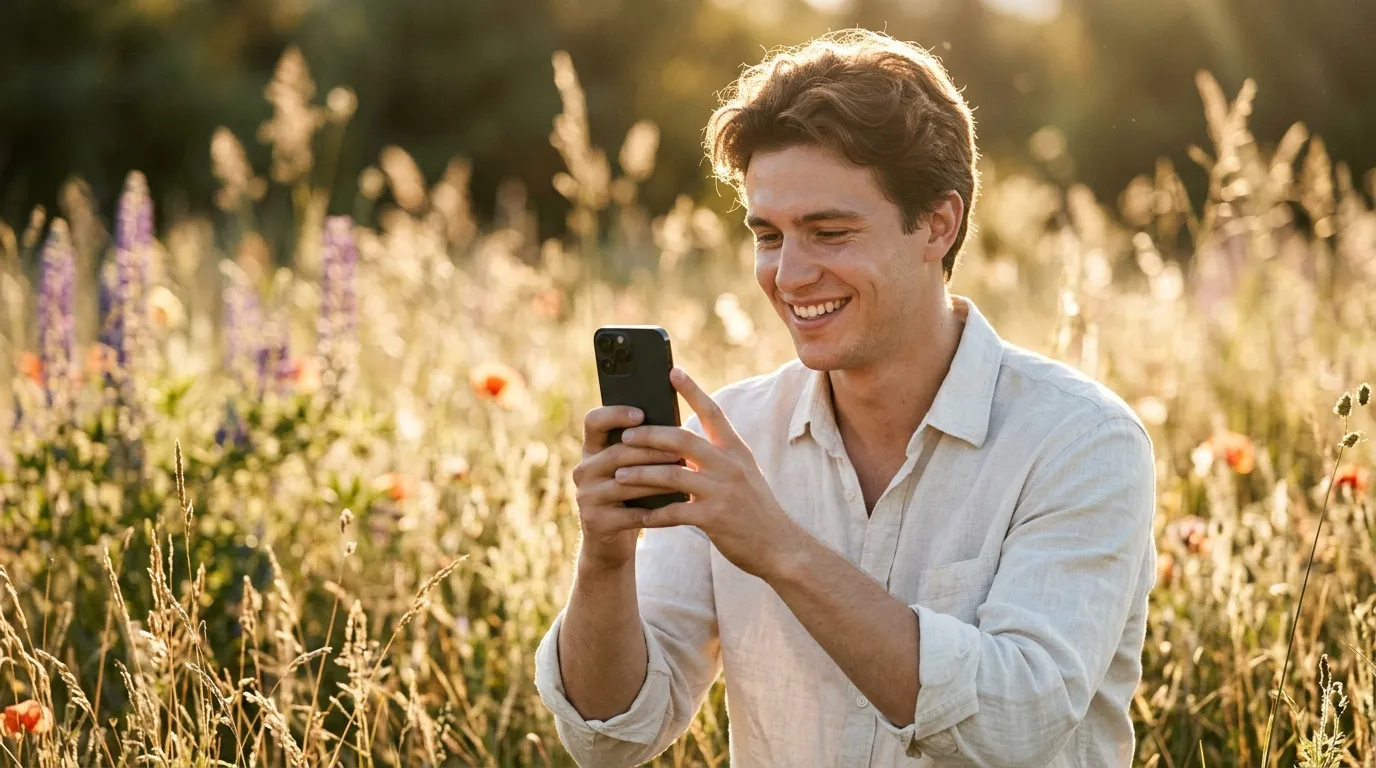
| Condition | Best for | Avoid |
|---|---|---|
| Golden hour (1 hr after sunrise, 1 hr before sunset) | Warm glow, soft shadows, flattering angles | Rushing, harsh transitions |
| Overcast | Even lighting, no squinting, any time of day | Expecting dramatic backgrounds |
| Midday sun | Only if under shade | Direct sunlight, harsh shadows under eyes and nose |
| Blue hour (just after sunset) | Moody, cinematic vibe | Moving quickly, low light needs steady hands |
Location Types That Work Anywhere
You don't need to travel for outdoor photos. You need locations with two things: natural light and a clean background that doesn't compete for attention. Here are four location types that exist in nearly every city.
Parks and Green Spaces
A park bench, a tree canopy, or even a well-maintained lawn provides the greenery that reads as "active lifestyle" without requiring you to actually be mid-hike. The trick is positioning: stand at least 6 feet from the background so it blurs slightly and keeps focus on you. Avoid busy playgrounds or crowded paths where strangers wander into frame.
Urban Green Pockets
Tree-lined residential streets, small courtyards with plants, or even the patio area of a coffee shop with potted greenery can work. The combination of urban elements and nature signals "interesting person who lives in a city" without looking staged. I've shot dating profiles in alleyways with ivy-covered walls that outperformed actual park photos.
Waterfront Areas
Rivers, lakes, beaches, and harbors provide natural leading lines that draw the eye toward you. Water also reflects light upward, filling in shadows under the chin and eyes that indoor photos often have. Stand facing the water with the camera between you and the shore, so the light bounces onto your face.
Architectural Features
Bridges, stone walls, old buildings with interesting textures, or even a clean modern facade can work if the structure complements rather than competes with you. As one photographer notes, "The background should complement and enhance the subject, drawing attention to them and creating a harmonious balance." Translation: don't stand in front of a building more interesting than you are.
DIY Outdoor Shots Without a Photographer
Most people don't have a friend willing to spend 30 minutes taking profile photos. Good news: you don't need one.
Phone timer with a tripod or prop. Every smartphone has a 3-second or 10-second timer. Prop your phone against a water bottle, a backpack, or a small travel tripod (under $20 on Amazon). Set it slightly below eye level, angled up, for a more flattering perspective.
Natural poses. Don't stand stiff and stare at the lens. The trick is movement: walk slowly toward the camera or look at something off to your left. Even laughing at nothing works. These micro-movements create candid-looking results even when you're alone. For specific pose techniques that look natural, try the three-quarter body angle with one foot slightly forward.
Take 50 photos to get 3 good ones. Professionals shoot hundreds of frames to select a handful. You're not wasting time by taking a lot. You're increasing your odds.
Common Outdoor Photo Mistakes
Outdoor doesn't automatically mean good. Here are the mistakes I see most often.
- Squinting in direct sunlight. If you're squinting, the light is wrong. Move to shade or wait for clouds. Squinting makes you look uncomfortable, which is the opposite of approachable.
- Too much landscape, not enough you. You're not selling the location. Frame yourself from the waist up or closer. The background should provide context, not dominate.
- Busy or cluttered backgrounds. Trash cans, parked cars, random strangers, and neon signs pull attention from your face. Before hitting the shutter, scan the entire frame.
- Only outdoor photos. A profile of only hiking and beach shots suggests you have one personality mode. Mix outdoor with indoor, casual with dressed-up. Variety signals range. For the full list of photo mistakes to avoid, check the common errors guide.
Putting It Together
Here's a simple weekend plan. Pick one of the location types above within 15 minutes of your home. Check the weather for overcast or schedule for golden hour. Bring your phone, a makeshift tripod, and a clean outfit. Take 50 photos using the timer. Review them on a bigger screen later, not in the moment.
If you want to skip the DIY trial-and-error, Dating Image Pro includes curated outdoor scenes for new dating-photo candidates. You upload four selfies from different angles, and the AI generates dating-ready shots in minutes. But even without the app, understanding how natural light works will make every photo you take look better.
Outdoor photos get more likes because they look like real life instead of a passport photo taken against a blank wall. The location matters less than the light. And the light is free. You just need to show up at the right time.
Questions, answered.
01What is the best time of day for outdoor dating photos?+
Golden hour, which is the hour after sunrise and the hour before sunset, produces the most flattering light. Overcast days also work well because clouds diffuse harsh shadows. Avoid midday sun, which creates unflattering shadows under your eyes and nose.
02Can I take good outdoor photos with just my phone?+
Yes. Use your phone's timer feature (3 or 10 seconds) and prop the phone against a water bottle, backpack, or small tripod. Position it slightly below eye level and take at least 50 photos to get 3-5 good ones. Natural light does most of the work.
03Do I need to travel somewhere scenic for outdoor photos?+
No. Local parks, tree-lined streets, waterfront areas, and even courtyards with plants work well. The key factors are good natural light and a non-distracting background, not an exotic location. Profiles with any outdoor photos get 30% more likes on average.
04Is it better to take photos on sunny or cloudy days?+
Cloudy days are often better. 67% of portrait photographers prefer overcast conditions because clouds act as a natural diffuser, eliminating harsh shadows. If shooting on sunny days, stand partially facing the sun or find open shade to avoid squinting.
05What backgrounds work best for outdoor dating photos?+
Look for backgrounds with natural elements like trees, water, or simple architecture that complement without competing for attention. Stand at least 6 feet from the background so it blurs slightly. Avoid busy areas with parked cars, trash cans, or crowds of strangers.

Author / reviewed profile
Maya Rodriguez
Maya is a professional portrait photographer with 12 years of experience. She's photographed everything from corporate headshots to dating profiles, and she knows exactly what makes a photo stand out.