
Best Lighting for Selfies: A Photographer's Guide
Professional lighting tips for selfies that actually look good. Natural light, golden hour, and simple setups anyone can do.
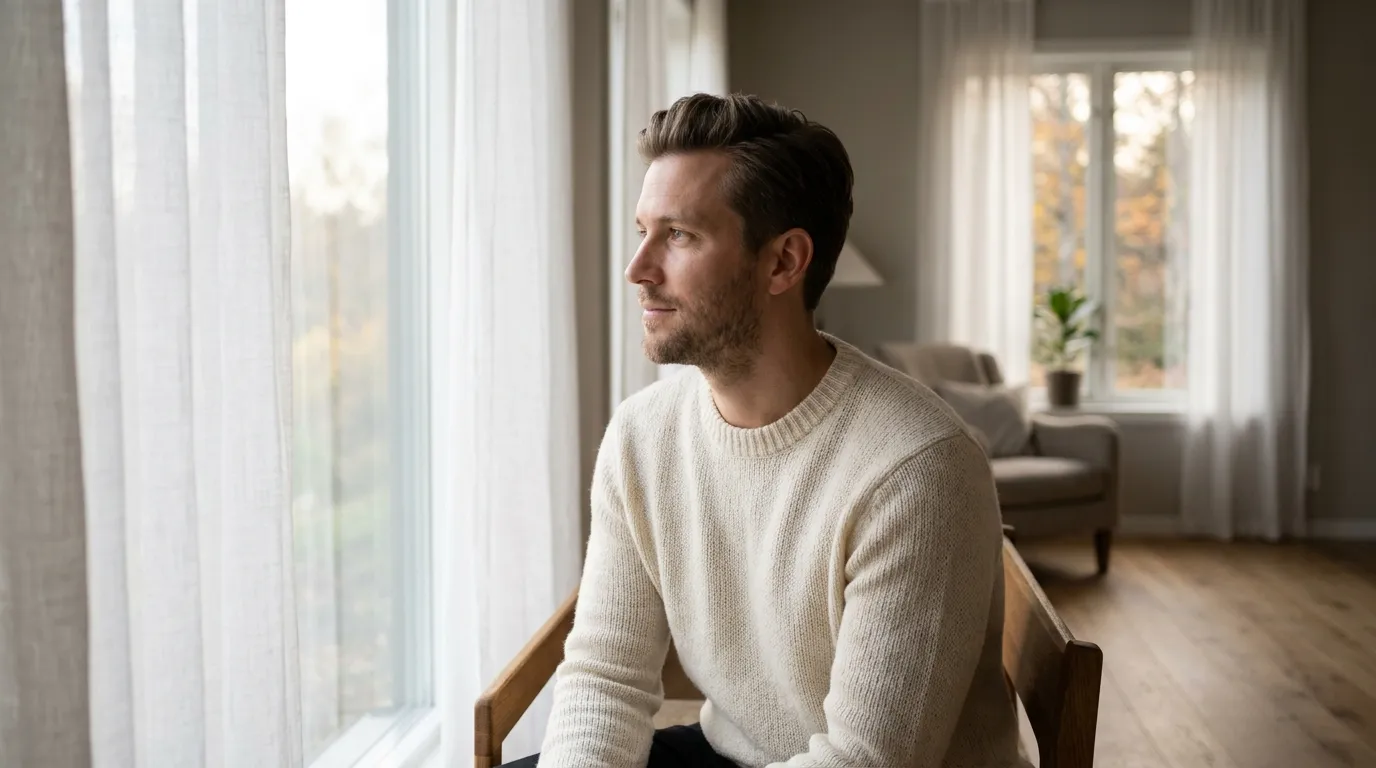
The difference between a good selfie and a great one comes down to light. Natural window light is the single best lighting for dating profile photos, and it's completely free. Stand facing a window with soft, diffused daylight hitting your face evenly, and you'll look better than 90% of dating app users. No ring light, no flash, no fancy equipment needed.
 Before
 After
AfterStudio / Private by design
See yourself shot properly.
Use our AI dating photo generator to create profile pictures from four everyday selfies. Your uploads are encrypted, never used to train AI, and become inaccessible five days after upload.
Or quick sign-in from here
Why Lighting Makes or Breaks Your Photo
Photofeeler research confirms what portrait photographers have known for decades: lighting changes everything about how you look in photos. Harsh overhead light creates shadows under your eyes that make you look tired. Direct flash flattens your features and washes out your skin. But soft, diffused light? It smooths imperfections, adds dimension to your face, and makes you look naturally attractive.
Most people miss this: 55% of content creators cite lighting as their top equipment priority, ahead of cameras or editing software. And they're not buying expensive studio setups. They're learning to work with natural light. You should too.
Window Light: Your Best Free Studio
North-facing and south-facing windows are gold for selfies. The light coming through them is always diffused and soft because the sun doesn't shine directly through. This creates what photographers call "wrap-around light" that flatters every face shape.
The trick is positioning. Stand 3 to 5 feet from the window. Face it directly for even, shadow-free light, or angle yourself at 45 degrees for subtle shadows that add depth. The larger the window, the softer your light will be (most phone cameras default to wide-angle, which can distort your face if you're too close).
Overcast days are secretly perfect. Clouds act like a giant softbox, diffusing harsh sunlight into even, flattering illumination. If it's cloudy outside, stand near any window and take your photo. You'll get studio-quality light without spending a dollar.
Window Light Setup Checklist
| Do | Don't |
|---|---|
| Face the window directly or at 45 degrees | Stand with the window behind you (creates silhouette) |
| Stand 3-5 feet from the window | Press your face against the glass |
| Use north or south-facing windows | Shoot during harsh midday sun through east/west windows |
| Shoot on overcast days | Mix window light with overhead room lights (creates color cast) |
Golden Hour: The Magic 60 Minutes
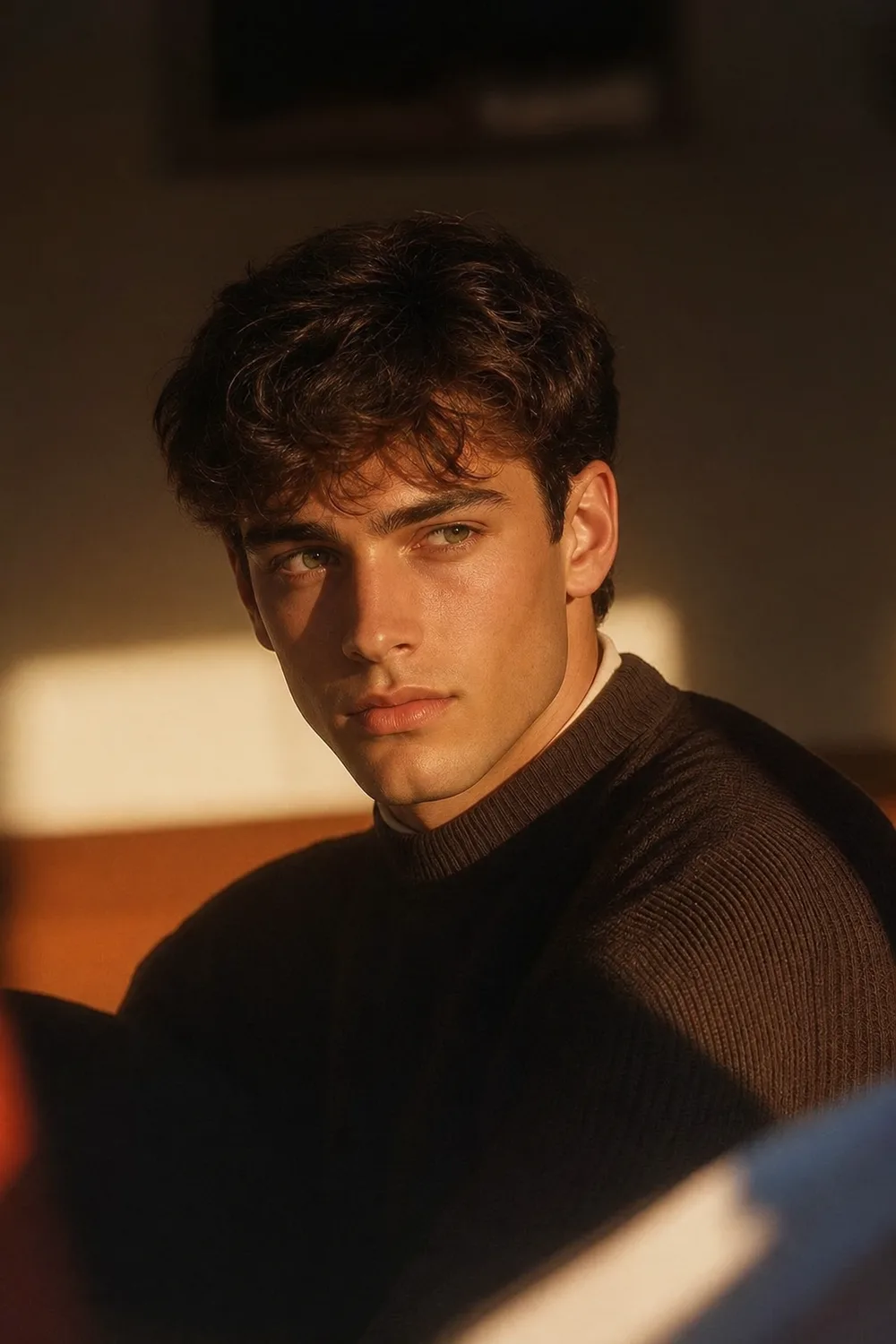
Golden hour happens twice daily: about an hour after sunrise and an hour before sunset. The sun sits low on the horizon, casting warm, directional light that smooths skin, softens shadows, and adds a natural glow to everything it touches. Professional photographers charge extra for golden hour sessions. You can get the same quality for free if you're willing to set an alarm.
The warm color temperature (around 3000K) is universally flattering. It masks minor skin imperfections and adds warmth that makes you look healthy and approachable. Dating app research consistently shows that outdoor photos in natural light outperform indoor flash photos.
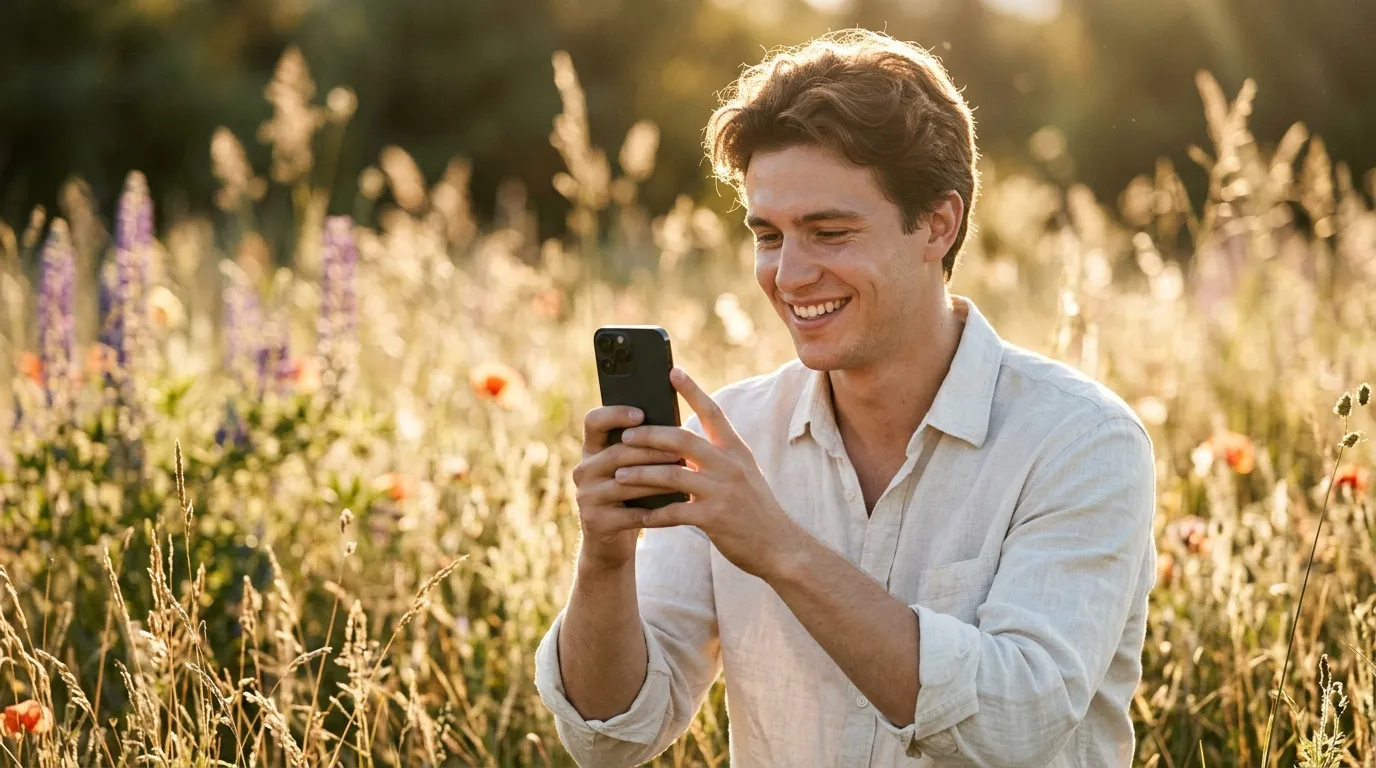
Try this: on a clear evening, head outside 45 minutes before sunset. Position yourself so the sun is slightly to your side (not directly behind you, and not in your eyes). Hold your phone at eye level, about 3 feet away. Take 20 photos in rapid succession. At least 3 will be excellent.
Ring Lights: When They Work and When They Don't
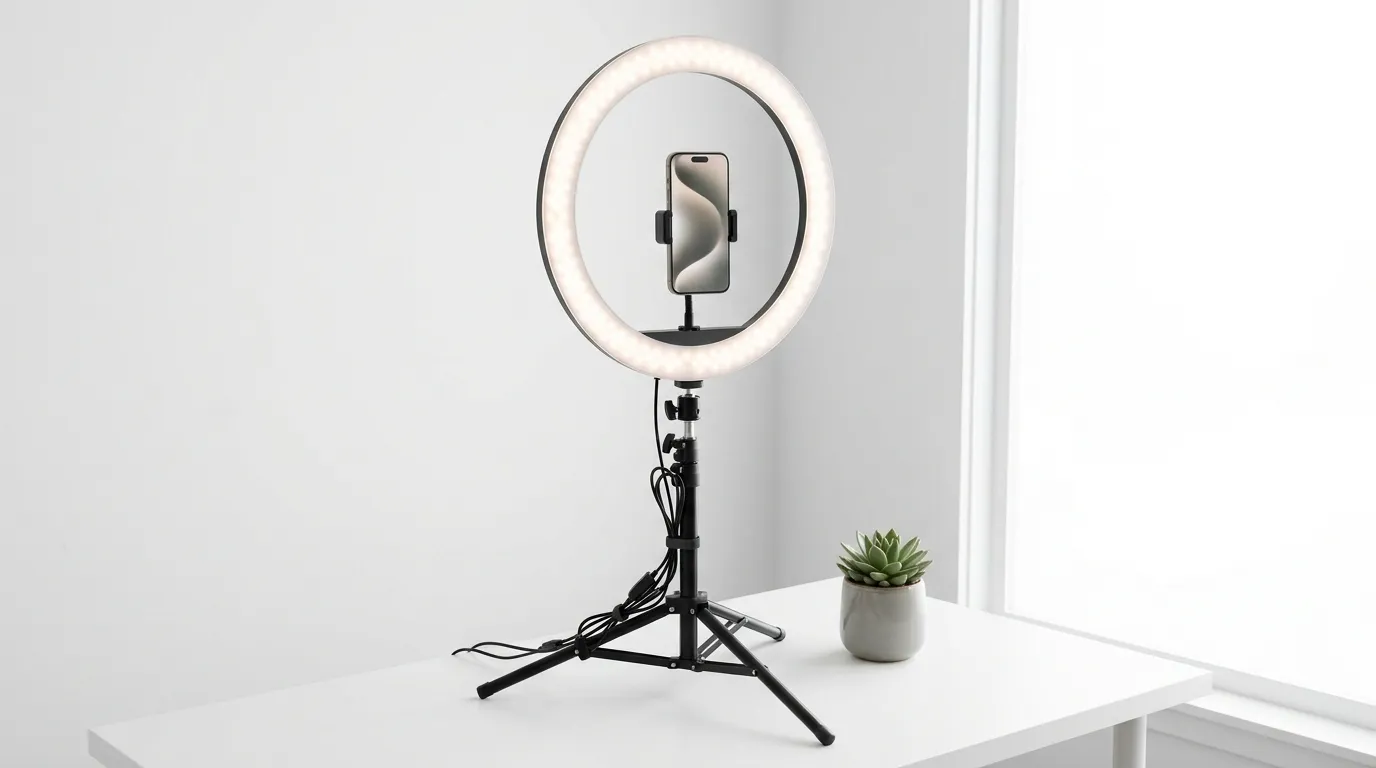
Ring lights have become the default "selfie solution," and I get why. They're consistent and eliminate shadows, putting a distinctive circular catchlight in your eyes. But for dating profile photos specifically, ring lights often create the wrong look.
The problem is flatness. Professional photography guides from Peerspace note that "ring light photography tends to be flat" because the light comes from directly in front, eliminating the shadows that give faces dimension. The result looks polished but artificial. Your matches might subconsciously register that something looks "off" even if they can't articulate why.
Ring lights work great for video calls, YouTube videos, and situations where you need consistent, predictable lighting. For dating photos where authenticity matters, natural light almost always produces better results. And here's an opinion that might be controversial: the ring light look has become so associated with influencers and content creators that it can feel performative rather than genuine.
Ring Light Decision Table
| Situation | Ring Light | Natural Light |
|---|---|---|
| Video calls at night | Good choice | Not available |
| Dating profile main photo | Avoid | Best choice |
| Consistent content creation | Good choice | Varies by weather |
| Authentic, approachable look | Can look artificial | Best choice |
Color Temperature: Why Some Lights Look "Off"
Light has color, even when you can't consciously see it. Professional portrait photographers aim for 5000K to 5600K, which matches natural daylight and renders skin tones accurately. Drop below 3000K (typical incandescent bulb) and you get orange, yellowish skin. Go above 6500K and skin takes on a cold, bluish cast.
Your phone tries to compensate with auto white balance, but it's not perfect. The safest approach: stick to daylight. Window light, outdoor shade, or overcast sky all fall within that ideal 5000-5600K range. If you must shoot under artificial light, look for LED bulbs labeled "daylight balanced" or "5000K."
One practical tip: never mix light sources. If you're near a window, turn off the overhead lights. Mixing warm tungsten bulbs with cool daylight creates color casts that look unnatural, and auto white balance can't fix it properly.
Common Lighting Mistakes
After 12 years of portrait photography, I've seen the same mistakes thousands of times. Here are the ones that kill dating photos.
- Overhead bathroom light. Creates shadows under your eyes, nose, and chin. Makes you look exhausted. The worst possible lighting for selfies.
- Flash directly at your face. Flattens features, creates harsh shadows, and often produces red-eye. Built-in phone flash should be disabled for selfies.
- Backlit silhouettes. Standing with a window or bright light behind you turns you into a dark shadow. Your face becomes invisible.
- Mixed color temperatures. Daylight from a window plus yellow lamp light equals strange skin tones that look unhealthy.
- Direct midday sun. Creates harsh shadows under your brow and nose. Squinting eyes. Not flattering for anyone.
If you're not sure whether your lighting is good, check for shadows. Soft shadows that gradually fade are flattering. Hard shadows with defined edges are usually not.
Quick Lighting Setup for Dating Photos
You don't need equipment. You need awareness of where light is coming from and how it falls on your face. Here's the fastest way to get a good dating photo.
- Find a window with indirect light (no direct sunbeam).
- Stand 3-5 feet away, facing the window.
- Turn off overhead lights and lamps.
- Hold your phone at eye level, 3-4 feet away (use timer or prop it up).
- Take 15-20 shots with small variations in angle.
- Choose the one where the light hits your face evenly with minimal harsh shadows.
And that's all you need. No ring light or reflectors required. Just you and a window.
If you want to go further, Dating Image Pro applies professional lighting adjustments to photos taken in any conditions. The AI analyzes your photo's existing light and makes corrections that would normally require post-production software. But even if you never use any tool, understanding natural light will make every photo you take look dramatically better.
Bottom Line
Good lighting is the highest-impact change you can make to your dating photos. Natural window light costs nothing and produces results that rival professional studio setups. Golden hour adds warmth and dimension that makes everyone look better. Ring lights have their place, but for dating profiles where authenticity matters, they're usually the wrong choice.
The next time you need a dating photo, skip the bathroom selfie. Find a window, face the light, and watch what happens. For more detailed guidance on photo selection, check out our guide on the best photos for Tinder and learn how photo quality impacts your match rate.
Questions, answered.
01What is the best light for taking selfies?+
Natural window light is the best lighting for selfies. Stand 3-5 feet from a window with indirect daylight, facing the light source. North or south-facing windows provide the most consistent, flattering light throughout the day.
02Is a ring light worth it for selfies?+
Ring lights provide consistent illumination but often create a flat, artificial look that is not ideal for dating photos. For video calls and content creation, they work well. For dating profile photos where authenticity matters, natural window light usually produces better results.
03What is golden hour and why does it matter?+
Golden hour is the period about one hour after sunrise and one hour before sunset when sunlight is warm, soft, and directional. The low sun angle smooths skin, softens shadows, and adds a natural glow that is universally flattering for portraits and selfies.
04Why do I look bad in bathroom selfies?+
Overhead bathroom lighting creates harsh shadows under your eyes, nose, and chin that make you look tired and older. This top-down light is the least flattering angle for any face. Move to a window with natural light for dramatically better results.
05What color temperature is best for portraits?+
Professional portrait photographers recommend 5000K to 5600K, which matches natural daylight. This range renders skin tones most accurately. Avoid warmer lights below 3000K (yellowish) or cooler lights above 6500K (bluish) for portraits.

Author / reviewed profile
Maya Rodriguez
Maya is a professional portrait photographer with 12 years of experience. She's photographed everything from corporate headshots to dating profiles, and she knows exactly what makes a photo stand out.