
How to Ask Someone Out From a Dating App (And Actually Get a Yes)
Most matches stall at the ask, not the opener. Here is the TDL formula (time, day, location), the 5 to 15 message window, platform-ready scripts for Tinder, Bumble, and Hinge, and the soft-no recovery playbook.
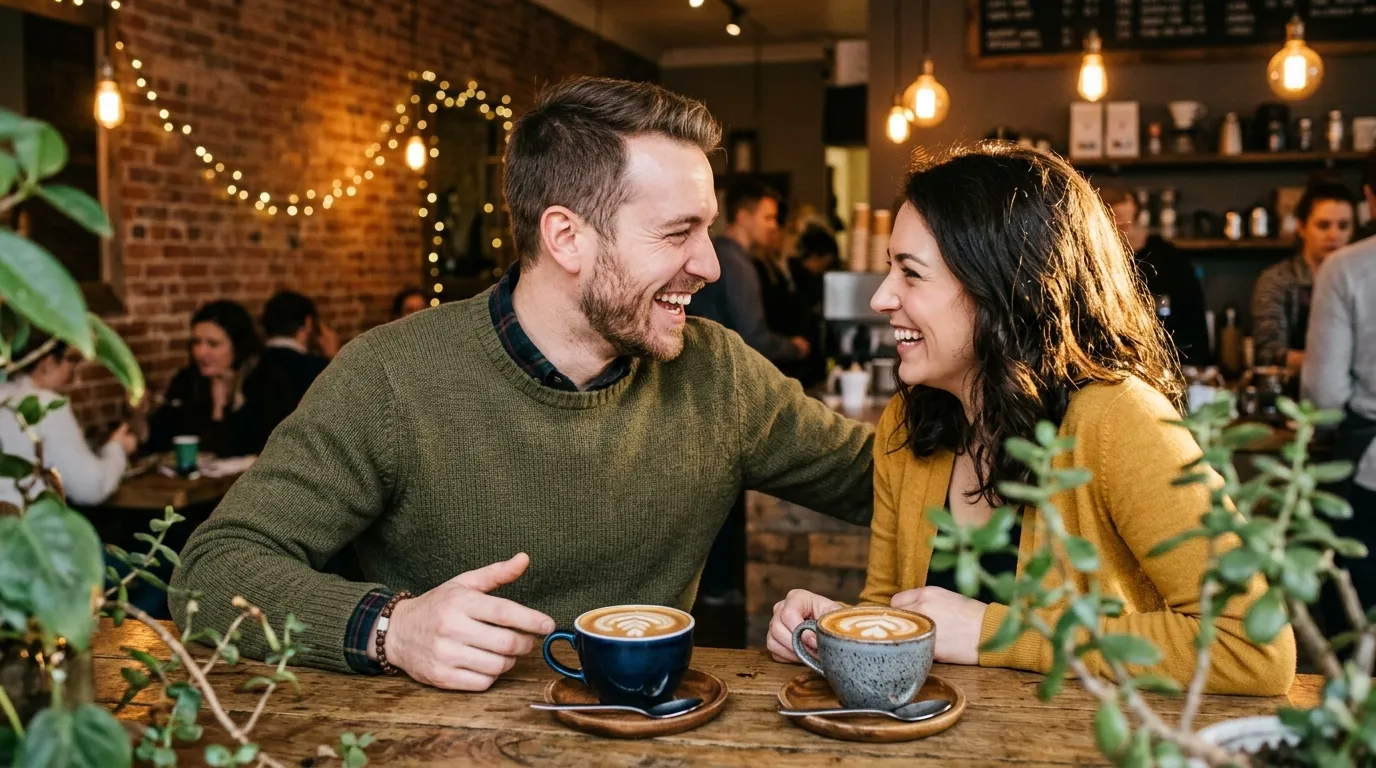
Forget what you've heard about waiting two weeks before you ask. The data says move within roughly 5 to 15 messages, or about 3 to 10 days. Use the TDL formula: time, day, location, all named in one message. Vague invites die, scheduled ones survive. Here's the playbook.
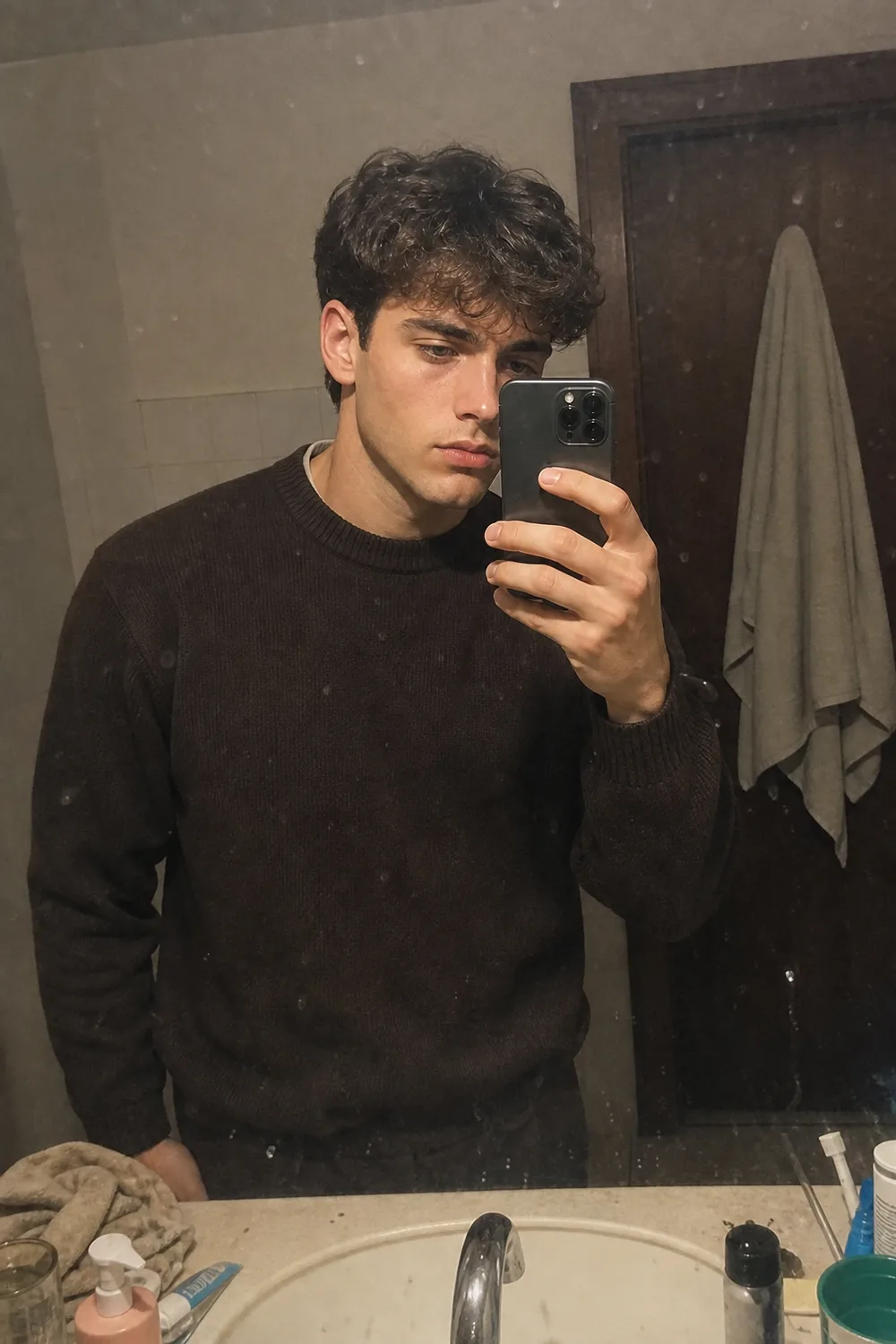 Before
 After
AfterStudio / Private by design
See yourself shot properly.
Use our AI dating photo generator to create profile pictures from four everyday selfies. Your uploads are encrypted, never used to train AI, and become inaccessible five days after upload.
Or quick sign-in from here
The Real Problem Is the Ask, Not the Timing
Most "she went cold on me" stories are not really a timing problem. They're a structure problem. Here's what I see in coaching sessions over and over: the chat is fine for ten messages, then he sends "we should grab a drink sometime" and she replies with a polite emoji. Then nothing. The ask itself is the failure point, not the days that came before it.
The proof is in what works on the other side. Hinge's 2025 Follow-Through Formula survey of 3,000-plus daters found 49 percent had held back from messaging after a great connection because they were "worried about coming on too strong." Read that twice. Half of all hesitation is not actually lack of interest. It's overthinking. The same survey found 47 percent of Hinge daters say they prefer their match express interest in meeting again without locking in every detail at once. So the worry of "too direct" is mostly internal noise.
One client of mine hit a four-week stretch with zero dates from 14 matches. Audit showed his asks all looked like "would love to grab coffee sometime if you're up for it?" Switched him to "Coffee Thursday at 6, that little place on Oak Street. You in?" Three of the next four said yes. Sound familiar?
The TDL Formula: Time, Day, Location
Coaches at EmLovz and Bumble's own The Buzz editorial converged on the same three pieces: an exact time, a day you pick yourself, and a place that's actually nearby enough to make a yes feel easy. Skip any one of those and you're back to pen-pal limbo.
Bumble's official phrasing makes the rule obvious: "name a specific time and a place, or at least a clear idea of where you'd want to go." Notice the floor. Even when they soften the rule, they still demand specificity. (I've watched this single change rescue more dead-feeling chats than any opener tweak.)
EmLovz raises the bar one more notch. Frame the ask around something specific you'll be doing, not just an abstract availability check. Their script: "I'm going to try out this new special at 12 tomorrow, want to explore with me?" Compare that to "are you free Tuesday?" One sounds like an invitation. The other sounds like a calendar audit.
| Ask format | Why it works (or fails) |
|---|---|
| "Coffee Thursday 6pm at [place]?" | TDL all three present. Easy yes or counter-offer. |
| "Want to grab a drink sometime?" | Friendly but vague. No time, no day, no place. Reads as testing the waters. |
| "Are you free this weekend?" | Forces them to plan. EmLovz calls this low-status behavior. |
| "We should hang out sometime." | Zero of the three TDL elements. Polite emoji incoming. |
| "Walk on the river path Saturday at 11?" | TDL plus a specific activity. Strong default for a low-stakes first meet. |
When to Ask: The 5 to 15 Message Window
Here's the part that actually gives you breathing room. There is no single right number. The window is wide. EmLovz coaching guidelines say keep app conversations to 10 messages or fewer before proposing a date. Hily's 2026 survey of 1,600 Gen Z and Millennial Americans found 56 percent of men want to skip small talk and meet up right away, while 32 percent of women prefer chatting more than a week first. So gender bias is real, but neither extreme is universal.
The cleanest rule I give clients: ask within roughly 5 to 15 messages, or 3 to 10 days, whichever comes first. The cliff is not day 14 or day 30. It's the moment the chat loses energy. Multiple coaches describe the same pen-pal effect: replies past message 10 lose energy because the in-app chemistry decays without escalation.
One opinion I'll defend hard. The phrase "adults don't need pen pals" floats around women's Reddit threads on Hinge timing for a reason. If you're three days deep without proposing anything concrete, the other person is already wondering if you're going to. Don't make them wonder.
Platform Scripts That Actually Work
Each app changes who asks first and what tone lands. Here are scripts I've watched succeed in real coaching cases. Adapt them, don't copy them word for word.
Hinge
Hinge rewards specific references. The chat usually starts on a prompt or photo, so tie the ask back to it. Example: "Your hiking photo from Yosemite is great. There's a new trail at Mt. Tam I've been meaning to try, free Sunday morning?" Hinge's 2025 D.A.T.E. Report found 85 percent of daters want thoughtful questions in conversations, and only 30 percent of heterosexual Gen Z daters feel their dates ask enough questions. The same logic applies to asks. A specific, on-topic invite reads as thoughtful by default.
Bumble
On Bumble, women send first by default, and the in-conversation messaging window was extended to 7 days back in April 2024. (Bumble's 2025 Opening Moves rollout loosened the rule further so women can opt to let men message first.) Once the chat is going, either side can ask. Bumble's own editorial pushes a soft pre-date move first: "It would be great to put a face to a name, want to video chat sometime this week?" Their copy caps the call at under 30 minutes.
Tinder
Tinder gives you no scaffolding. No prompts, no reminder pings, no rule about who messages first. So you set the structure yourself. A working script: "I've been wanting to check out the new wine bar on 5th. Thursday at 7? If wine is not your thing I'll counter with their espresso menu." Two specifics, one fallback, zero room to drift.
For the messaging math behind this, our first message tips guide walks through openers that earn the right to ask. And our how to keep a dating app conversation going piece covers the cliff between message 3 and message 5 where most chats die before the ask even gets sent.
What to Suggest: Coffee Beats Dinner
The format of the date matters more than people think. CNBC reported in late 2025 that 35 percent of American singles are now choosing coffee or drinks over a full meal for first dates, mostly for cost reasons. DatingAdvice.com found women are 18 percent more likely than men to pick coffee for the first meeting.
The reason is not just budget. Coffee or a casual walk lets either party leave at 30 to 45 minutes if there's no spark. Dinner locks both into 90 minutes minimum, which feels worse for both sides if the date is not working. Bumble's official coffee-date guide pitches it as "low pressure with built-in conversation prompts," which is exactly the structural point.
One coaching framework I borrow from Benjy Feen calls Thursday the best day for a first date. The reasoning is practical, not mystical. Thursday leaves the weekend free for a second date if it goes well, and does not burn a prime weekend night if it does not. Movies and theater are weak first-date picks for the same reason coffee is strong: they prevent the actual conversation that decides whether you'll see each other again.
Handling the Soft No
"Let me check my schedule" is the most common dating-app non-answer. EmLovz's coaching playbook calls this exactly what it is: a soft signal, not a real maybe. The mistake almost everyone makes is replying "okay just let me know when you're free." Don't ever do that. EmLovz's reasoning is sharp: it makes the other person carry the planning labor, which reads as low-status and lowers your perceived value.
The fix is to keep offering specifics. If Thursday does not work, propose Saturday afternoon. If the wine bar is too far, suggest the cafe by their neighborhood. Two specific alternatives, then stop. EmLovz's exact advice: "When she declines a proposed date, offer alternative dates a few days earlier or later. Avoid asking about her availability. That's perceived as low-value behavior."
If both alternatives get a soft maybe, you have your real answer. A non-response or repeatedly disengaged response is the actual rejection signal in modern dating-app culture. Hayley Quinn and the USU Extension dating-rejection guide both make the same point: chasing past one polite follow-up reads as pressure, not interest.
Safety: The Pre-Date Video Call Move
This part is not optional. Match.com's 2021 Singles in America study (cited via Fast Company) found 63 percent of singles say they would be more comfortable on a first date if they had video-chatted the person beforehand. 71 percent said the video call helped them decide if they wanted to meet up at all. Tinder, Bumble, and Hinge all have in-app video features specifically for this.
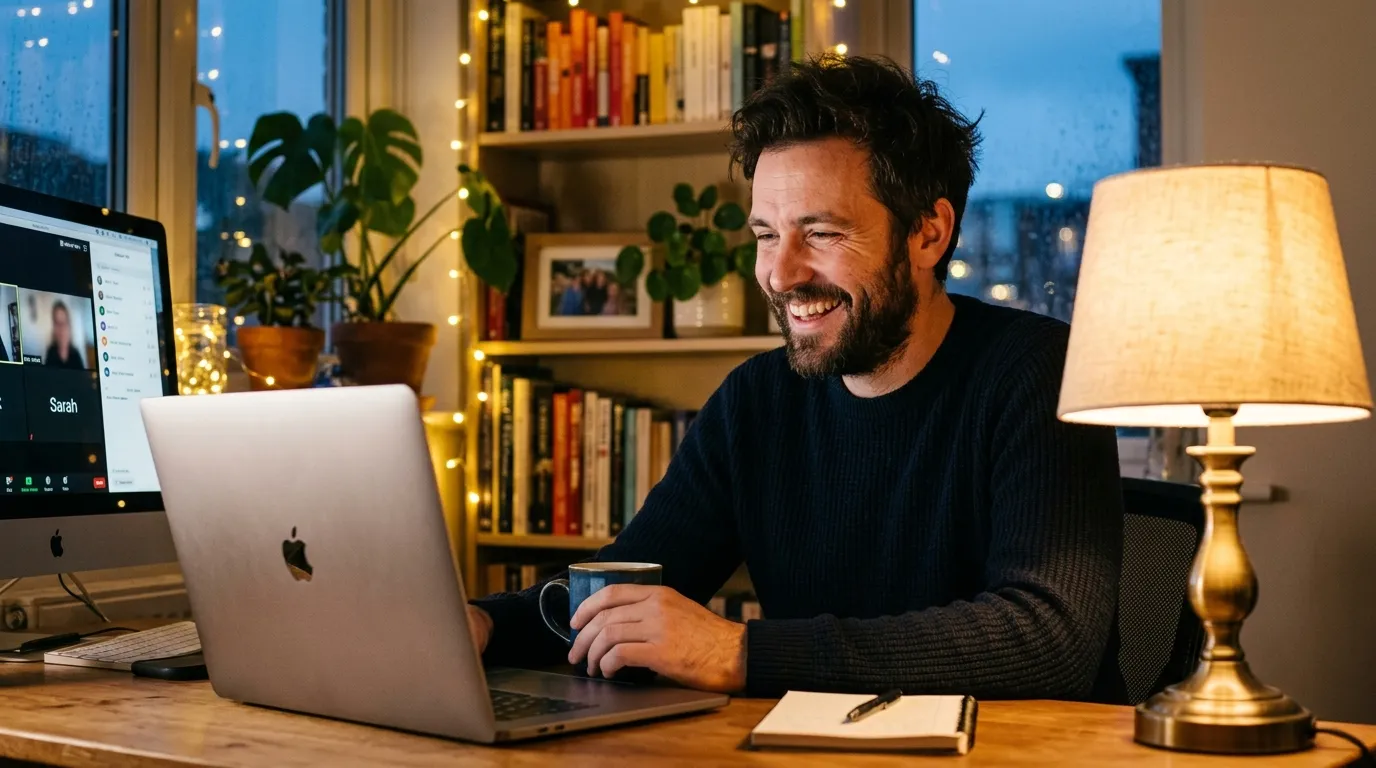
The catfish detection angle is the one nobody warns you about. Romance fraud surged 20 percent in early 2025 in the UK alone. The defense is not paranoia, it's a quick voice or video call before the meet. Anyone real won't mind hopping on for five minutes. A catfish account literally cannot pass that test. So treat a refusal to video-call as the major red flag it is.
RAINN's safer-dating guidance covers the rest. First few dates in populated, public places. Never your home, their home, or any private location. ADT's checklist adds the practical detail: control your own transport so you can leave whenever you want. Tell a trusted friend where you'll be, share live location via Find My Friends, and arrange a mid-date check-in call as an exit cue if you need one.
What Doesn't Work
Mistakes I see kill ask-outs more than any single message ever does:
- The compliment-stack ask. "You seem really cool, would love to maybe get coffee if you're free?" Three hedges in one sentence. Cut all of them.
- Asking before you've earned it. Day 1 message 1 asks ("you free this weekend?") read as Tinder-bro spam everywhere except Tinder, and even there they convert weakly.
- Open-ended availability questions. "When are you free?" forces them to plan. They won't. Propose, then counter-offer if needed.
- Bumping the ask after silence. Sending "hey just bumping this up?" doubles the awkwardness. One graceful follow-up after four hours is fine. More is pressure.
- Dinner as the first ask. 35 percent of American singles now pick coffee over dinner per CNBC. Dinner locks both of you in for 90+ minutes, which is too high a stakes for a first meet.
Photos Are Why They Said Yes
One quick reality check before the playbook. None of this matters if your photos didn't earn the match in the first place, or worse, if your photos made the match show up expecting someone different. The eJuiceDB 2025 user survey found 41 percent of dating-app users have had a date show up looking different from their photos.
One client of mine had a 6 percent ask-conversion rate. We didn't change his message scripts. We rebuilt his photos to match how he actually looks day-to-day, dropped two filtered shots, and added one full-body image where his frame was clearly visible. Ask-conversion jumped to 22 percent inside three weeks. But better photos did not make him a better asker. They made his asks land in the inbox of someone who already trusted what they were going to see.
If your photos are not doing their job, Dating Image Pro turns four selfies into professional-looking portraits in minutes. (Our dating photo poses guide covers the body language and angle layer that matters once your photo set is solid.) Photos are the foundation. Asks compound off of them.
The 7-Day Ask Playbook
Here's the rhythm I give clients who keep stalling at the ask. Run this against your next match.
| Day | Move | Why it works |
|---|---|---|
| Day 1, hour 1 to 6 | Reply to match. Specific opener, one question. | Hinge 2015 study: men's reply likelihood drops 25 percent if no message within 6 hours of matching |
| Day 2 to 3 | Build rhythm. Reply within 1 to 3 hours, length within 50 percent of theirs. | EmLovz/Quartz: 60 percent of singles expect 1 to 3 hour replies during the day |
| Day 3 to 5 | Send the ask. Specific time, day, place. Coffee or walk format. | EmLovz: under 10 messages before the ask. CNBC 2025: 35 percent of singles pick coffee. |
| If they soft-no | One alternative day, one alternative format. Then stop. | EmLovz: never ask "when are you free?" Offer a second specific. |
| If they say yes | Suggest a 10-minute video call 1 to 2 days before | Match.com 2021: 71 percent of video-callers used the call to decide if they wanted to meet |
| Day 6 to 7 | Confirm details day of. Send your live location to a trusted friend. | RAINN, ADT: control transport, share location with someone you trust. |
When the Answer Is No
It will happen. The volume of profiles makes it statistically inevitable. Hayley Quinn's coaching frame is the cleanest one I've found: rejection on dating apps is a numbers game, not a personal verdict. Reframing it as incompatibility instead of deficiency is the actual win.
The USU Extension dignity rule covers the response. When you receive a clear "no thanks," reply once with kindness ("Totally fair, take care") and let it be. Pursuing more than once after a clear no reads as harassment. A brief, no-blame message often leaves the door open in a way begging or arguing never does.
One last data point worth sitting with. Dating Transformation reported 51 percent of men got zero in-person dates from apps in 2024-2025. The bottleneck is not matches anymore. It's the gap between matching and asking. Closing that gap is the actual game.
Questions, answered.
01How long should I chat before asking someone out from a dating app?+
Roughly 5 to 15 messages, or 3 to 10 days, whichever comes first. EmLovz coaching guidelines say keep app conversations to 10 messages or fewer before proposing a date, and Hily's 2026 survey of 1,600 Gen Z and Millennial Americans found 56 percent of men want to skip small talk while 32 percent of women prefer chatting more than a week. There is no universal timeline, but past message 10 to 15 the in-app chemistry tends to decay without escalation.
02What is the best way to phrase asking someone out on a dating app?+
Use the TDL formula: name a specific time, day, and location in one message. Bumble's own editorial puts the floor at "name a specific time and a place, or at least a clear idea of where you'd want to go." A working example: "Coffee Thursday at 6 at the place on Oak Street. You in?" Vague asks like "want to grab a drink sometime?" reliably stall, even with strong matches.
03How do I ask someone out on Hinge specifically?+
Tie the ask back to a prompt or photo from their profile. Hinge's 2025 D.A.T.E. Report found 85 percent of daters want thoughtful questions in conversations, and only 30 percent of heterosexual Gen Z daters feel their dates ask enough. A specific, on-topic invite reads as thoughtful by default. Example: "Your Yosemite hiking photo is great. There's a new trail at Mt. Tam I've been meaning to try, free Sunday morning?"
04How do I ask someone out on Bumble?+
On Bumble, women send the first message by default, but once the chat is going either side can ask. Bumble's own copy recommends a soft pre-date move first: "It would be great to put a face to a name, want to video chat sometime this week?" Cap the video call under 30 minutes. The in-conversation messaging window was extended from 24 hours to 7 days back in April 2024, so use that breathing room to escalate, not coast.
05What if they say "let me check my schedule" instead of yes or no?+
That is a soft signal, not a real maybe. Do not reply "okay just let me know when you're free." EmLovz's coaching playbook flags that as low-status because it makes the other person do the planning labor. Instead, offer a second concrete alternative day or a different activity. Two specific alternatives then stop. If both get a non-committal reply, you have your real answer.
06Should I do a video call before meeting someone from a dating app in person?+
Yes. Match.com's 2021 Singles in America study found 63 percent of singles would feel more comfortable on a first date if they had video-chatted the person beforehand, and 71 percent said the video call helped them decide if they wanted to meet up at all. It also catches catfishing, since a fake account cannot pass a five-minute video call. Tinder, Bumble, and Hinge all have in-app video features for this.
07What is the best first date for someone I met on a dating app?+
Coffee or a casual walk in a busy public place. CNBC reported in late 2025 that 35 percent of American singles now choose coffee or drinks over a full meal for first dates. The structural reason: coffee or a walk lets either party leave at 30 to 45 minutes if there is no spark, while dinner locks you both into 90 minutes minimum. Movies and theater are weak picks because they prevent the conversation that actually decides whether you'll see each other again.
08How do I handle being told no on a dating app?+
Reply once with kindness, then let it go. The USU Extension dignity rule and Hayley Quinn's coaching both make the same point: pursuing more than once after a clear no reads as harassment, not interest. A brief no-blame message ("Totally fair, take care") leaves the door open in a way begging or arguing never does. Hayley Quinn's frame is the cleanest one: rejection on dating apps is a numbers game, not a personal verdict.

Author / reviewed profile
Alex Chen
Alex has helped over 5,000 singles improve their dating profiles and build confidence. With a background in psychology and 8 years of dating coaching experience, Alex knows what actually works on dating apps.