
Best Dating Apps in 2026: Complete Ranking
The winner for 2026 is Hinge, with niche picks that beat it in specific lanes. Three weeks of testing 15 apps on the same iPhone with the same photo set, cross-checked against Q4 2025 earnings data from Match Group, Bumble Inc., and Grindr. The right app in 2026 depends on what you actually want.
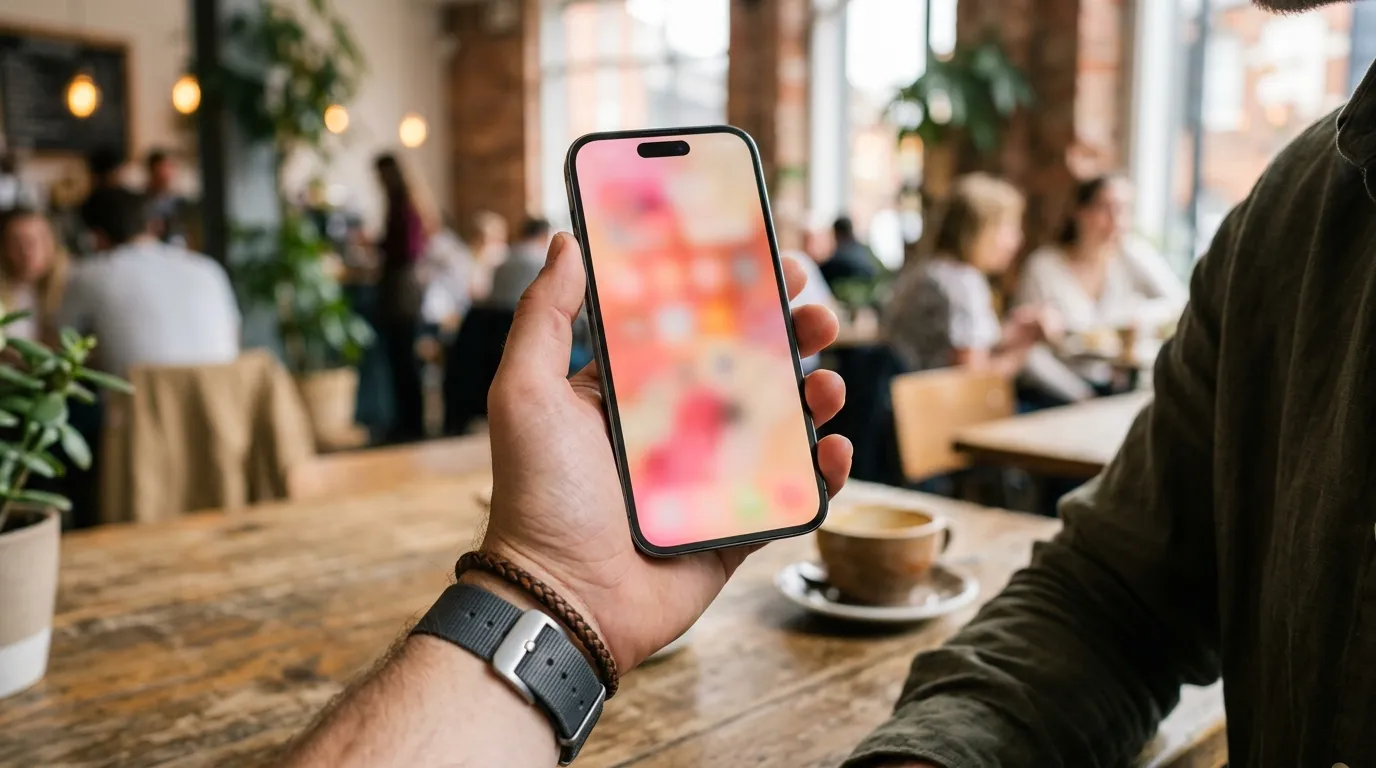
The winner for 2026 is Hinge. Three weeks of testing 15 dating apps on the same iPhone with the same photo set, and Hinge returned the highest-intent matches in the mainstream tier. Niche picks beat it in their own lanes: Feeld for ethical non-monogamy, eharmony for marriage-minded thirty-five and up, HER for queer women, Muzz for Muslim daters. Most people should lead with one mainstream app and keep a backup installed.
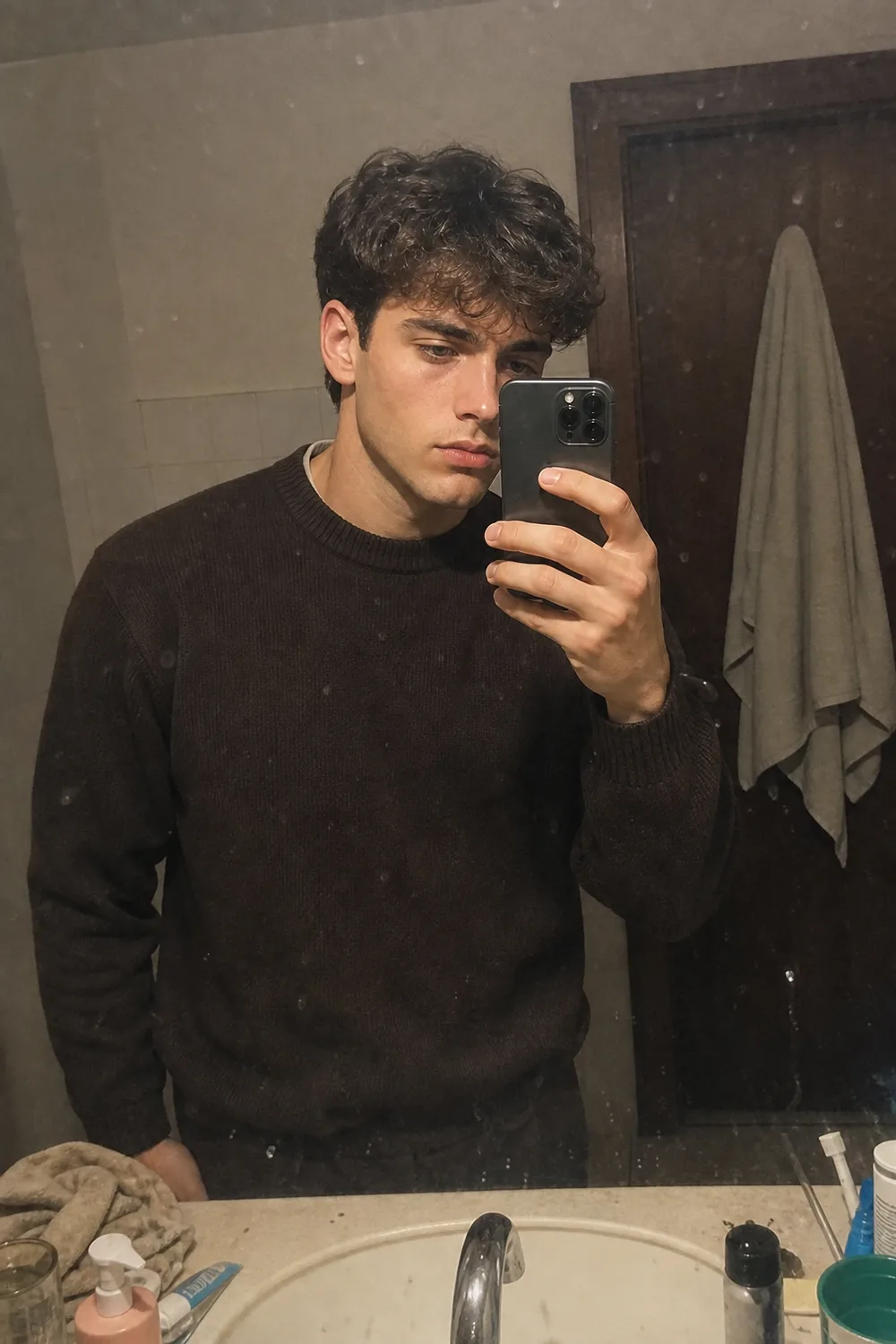 Before
 After
AfterStudio / Private by design
See yourself shot properly.
Use our AI dating photo generator to create profile pictures from four everyday selfies. Your uploads are encrypted, never used to train AI, and become inaccessible five days after upload.
Or quick sign-in from here
Why This Year's Ranking Shifted
The category moved enough in the last 12 months to justify a full rewrite. Tinder MAU fell 9 percent YoY in Q4 2025 per Match Group's earnings call (eighth straight quarter). Bumble Q4 2025 paying users dropped 20.5 percent to 3.3 million per the 8-K, with revenue down 9.9 percent. Thursday shut down in January 2025, and Spark Networks (Christian Mingle, JDate, EliteSingles) entered insolvency in January 2026. Meanwhile Hinge revenue grew 26 percent to $691 million, Grindr paying users grew 15 percent in Q3 2025, Feeld grew 30 percent YoY since 2022, Muzz now serves 15 million Muslims. And 26 percent of US singles reported using AI to enhance dating in 2026 per the Match plus Kinsey Institute survey (up 333 percent YoY). The mainstream is contracting, and the specialists are growing.
How I Tested
Three weeks late March through early April 2026. Same iPhone 15 Pro, same six lead photos, same 180-character bio adapted to each app's format, same mid-size US metro (population about 1.2 million). I scored each app on a 10-point scale across seven dimensions: match quality, conversation rate, intent clarity, free-tier usability, pricing fairness, feature depth, and product honesty. Mainstream apps got 30 minutes a day and niche apps got 15 to 20, split across morning and evening. I tracked matches, reply rate, conversations past three messages, and dates booked. For financial and user-base data I leaned on Q4 2025 Match Group filings, Bumble Inc.'s 8-K, Business of Apps 2026, SwipeStats' 7,000-profile Hinge panel, DoULike 2026, and app help centers for pricing (verified April 2026). Where my 3-week numbers disagreed with aggregates, I defer to the aggregate. One honest limit: Raya and The League run invite-only, so I leaned on published reviews (Fortune 2024 on The League, VIDA Select on Raya) rather than deep first-hand use.
The Comparison Table
The fast version of the verdict. Every number below traces to a cited source. Prices are April 2026 snapshots, and a lot of them move.
| App | Best for | Users (2026) | Entry price | My score |
|---|---|---|---|---|
| Hinge | Serious relationships, writers | ~32M global, ~30M MAU | Hinge+ $16/mo on 6-mo plan | 8.5/10 |
| Tinder | Volume, small markets, travel | ~75M MAU (MAU -9% YoY) | Plus ~$24.99/mo (varies by age) | 7/10 |
| Bumble | Intentional daters post-Opening-Moves | ~50M MAU (payers -20.5% YoY) | Premium $30/mo on 6-mo plan | 6.5/10 |
| eharmony | Marriage-minded 30+ | 10M+ users, ~750k paid | ~$40/mo 6-mo plan | 8/10 |
| Match.com | Long-term partner, 30-49 | 15M+ users, 7M paid | ~$27/mo 6-mo plan | 7.5/10 |
| OkCupid | Free tier, inclusive ID options | 50M+ registered, ~10M MAU | Free messaging on free tier | 7.5/10 |
| Coffee Meets Bagel | Hand-picked slow dating 30s-40s | 10M+ members | ~$20-$35/mo | 7/10 |
| Feeld | ENM, kink, polyamory | 2M+ members (+30% YoY) | Majestic ~$15/mo | 8/10 |
| Grindr | Gay and queer men | ~14.9M MAU, 1.2M paying | Xtra ~$20/mo | 7/10 |
| HER | Queer women, lesbian, NB, trans | 14M+ users, 300M+ matches | Premium ~$15/mo | 8/10 |
| Muzz | Muslim marriage | 15M singles (500 couples/day) | Gold ~$15/mo | 8/10 |
| BLK | Black singles, intentional | Top Black-audience app | Freemium | 7/10 |
| OurTime | 50+ seniors | 8.9M monthly visitors | From ~$18/mo | 6/10 |
| Raya / The League | Exclusive / ambitious niches | Invite-only, ~8% acceptance | $19.99 / $299-$999 | 6/10 |
| Plenty of Fish | Budget, outside-US volume | 150M+ registered | Premium $12.99/mo | 6/10 |
Hinge: The Category Winner
Hinge tops the 2026 ranking by the clearest margin it's had in five years. Around 32 million users globally, 30 million MAU, 22 million daily active per SwipeStats 2026 and Business of Apps. Revenue up 26 percent to $691 million in 2025, Q1 2025 payers up 19 percent, India MAU up 40 percent to 1 million ahead of a 2026 paid launch. Aurale projects Hinge clears $1 billion in direct revenue by 2027.
The forced profile structure is what makes it work. Six photos and three prompts are mandatory. You can't skip the prompts the way you can skip a Tinder bio, and that single design choice drives the outcome. Hinge reports that likes on text prompts are 47 percent more likely to lead to a date than likes on photos. Voice prompts lift date conversion 32 percent per SwipeStats. Video prompts get 50 percent more engagement than text per Roast Dating 2026. Match-to-conversation rates run around 90 percent on Hinge versus 15 percent on Tinder per Tawkify. And The Knot's 2025 Real Weddings Study (n=7,856 engaged couples) credited 36 percent of dating-app engagements to Hinge, 25 percent to Tinder, 20 percent to Bumble.
Worth it: six-month Hinge+ at $16 per month effective is the best premium value in the category per LowerMySubs, cheaper than Tinder Gold's $23.33 on the same cadence. Skip this: HingeX at $49.99 per month is a closer wash than Hinge markets.
The cons are real. 8 likes a day feels punishing on free. 52 percent of male Hinge users receive fewer than one match per day per Business of Apps, and the top 10 percent of male profiles absorb 58 percent of female likes per SwipeStats' Lorenz-curve analysis. But the per-conversation success rate is why Hinge still wins. The Tinder vs Hinge breakdown runs the full 13-dimension scorecard.
Tinder: Still the Volume Leader, But Declining
Tinder is still the biggest dating app on the planet at roughly 75 million MAU per Business of Apps 2026. In small markets (under 500,000 people), it's often the only app with enough active profiles to swipe for more than a week. One-thumb UX, 7 to 9 minute sessions, 4 sessions per day per Resourcera 2026. If you want raw volume, Tinder is the pick.
The catch isn't subtle. MAU fell 9 percent YoY in Q4 2025 (eighth straight quarter), direct revenue declined around 3 percent in 2025, and Match Group raised the 2026 marketing budget by $50 million to roughly $230 million to fund a turnaround. The company expects another year of revenue decline due to UX tests and FaceCheck rollout. 57 percent of first messages stall with no reply per DatingNews. Men need to send about 114 messages for a 99 percent chance of one reply. Roughly half of users describe themselves as casual per PrivateInternetAccess, and only 53 percent of men and 68 percent of women report seeking a relationship per the 2024 Green Flags Report. Plus runs around $24.99 per month, Gold $39.99, Platinum $49.99, Select (invite-only) $499 per SubFree. Gold six-month drops to $23.33 per month effective. Age-based price tiering is the part most users don't know about, flagged by the FTC and Consumer Reports for years.
My take: Tinder in 2026 is an app in transition, not one to build a dating life around. Keep it for travel, small-city weekends, and casual volume. If serious is your goal, lead with Hinge. The Tinder vs Bumble comparison covers the volume-vs-intent math.
Bumble: Struggling, Still Relevant
Bumble had a hard Q4 2025. Revenue fell 14.3 percent to $224.2 million, paying users dropped 20.5 percent to 3.3 million, and Q1 2026 guidance was $209 to $213 million. The April 2024 update that ended the women-message-first requirement divided the core audience (one NPR-quoted user called the post-change Bumble "basically just Tinder now"). But 50 million MAU is not nothing. Opening Moves drove +26 percent chat initiations and +77 percent quality conversations globally per Bumble Inc. 82 percent of users actively seek relationships and 85 percent want marriage or long-term commitment per SwipeStats 2026. The 2026 reboot hinges on AI features launched February 26, 2026 per TechCrunch (Best Photo tool and a planned Photo Picker that scans your phone library using biometric data). If those features land, Bumble has a case. If not, the payer decline keeps compounding.
Worth it: Premium on the six-month plan at roughly $30 per month effective. Skip this: SuperSwipe packs if you won't take the time to write a personalized 30-word message (which Roast Dating 2026 found lifts the match rate up to 40 percent vs blanks).
eharmony: The Marriage App That Still Works
eharmony has about 10 million active users worldwide and around 750,000 paid subscribers, and the company claims 4 percent of annual US marriages originate there. University of Chicago and Harvard research cited in Datezie's 2026 roundup found eharmony couples report the highest marriage satisfaction and the lowest divorce rates of the major platforms. That's a third-party finding, not vendor talking points. The compatibility questionnaire takes 30 to 45 minutes and measures what founder Dr. Neil Clark Warren framed as "emotional temperament, communication style, relationship values, and life goals." Entry premium runs around $40 per month on a six-month plan. If you're under 27 and casual, eharmony is the wrong app. If you're 32 and tired of swipe fatigue, it's probably the right one.
Match.com: The Adult App
Match has around 15 million active users, 7 million paid, and a 49/51 gender split per DatingAdvice.com's April 2026 review. Average age 36, majority 30 to 49. As of January 2026, 50 percent of Match users said they joined to find a long-term romantic partner versus 38 percent across 22 dating brands surveyed per VIDA Select's 2026 write-up. The browse-control model (search, filter, message) suits an audience done with swipe mechanics. Entry premium runs about $27 per month on the six-month plan. If you're post-divorce or a lapsed app user returning in your thirties, Match is a reasonable first call.
OkCupid: The Best Free Tier in the Category
OkCupid has 50 million registered users worldwide and roughly 10 million MAU per DoULike 2026. Two things set it apart. First, the free tier includes actual messaging with matches, which no other mainstream app allows. Second, it supports 22 gender identities and 12 sexual orientations, the widest inclusive option set of any major dating app. 5,000-plus compatibility questions generate a percentage-match score that is at least legible, unlike Tinder's opaque ranking. Core demographic 22 to 45, strongest density 25 to 34. Match rate is lower than Tinder by virtue of the slower UX, but conversation rate is higher because users self-select for longer profiles. Zero-budget default.
Coffee Meets Bagel: Hand-Picked Slow Dating
CMB has 10 million-plus active members, concentrated US, Canada, Singapore, Hong Kong, skewing 30s to 40s per SwipeStats 2026. The "bagel of the day" format gives you a smaller set of higher-quality profiles instead of an infinite feed. The Kang sisters famously turned down Mark Cuban's $30 million Shark Tank offer (the largest in the show's history) to keep the relationship-first product. Premium $20 to $35 per month. Right app if swipe fatigue is your core problem and you're in a major US metro.
Feeld: The ENM and Kink Standard
Feeld grew 30 percent YoY since 2022 and now has over 2 million global members per Global Dating Insights. 2023 revenue nearly doubled to $41.4 million (user subscription spending +107 percent). 55 to 60 percent of new members identify with kink, ENM, polyamory, or threesomes per nss magazine 2026. 45 percent identify as non-heterosexual. Heteroflexible identity grew 193 percent YoY. This is the app for people whose relationship shape doesn't fit the mainstream template. Polycules, couples, and solo exploration are first-class. Majestic (premium) runs around $15 per month. One recurring r/Feeld critique is that the app is getting more "vanilla" as it grows. If you're ENM or curious, Feeld is the 2026 pick and it's not close.
Grindr: The Gay-Men Default, With Caveats
Grindr reached roughly 14.9 million MAU and 1.2 million paying users in mid-2025 per Global Dating Insights. Revenue grew from $108 million in 2019 to $319 million in 2025, and Q3 2025 paying user growth of 15 percent outperformed both Bumble Inc. and Match Group on the same metric. The product is the dominant gay-men dating app globally. The toxicity reputation is real, and a lot of r/AskGayMen posters describe running Grindr in parallel with a relationship-intent app rather than solo. Xtra runs around $20 per month. Entry point for volume, pair with Hinge or Feeld for serious.
HER: The Queer Women Standard
HER has more than 14 million queer women, lesbian, bi, nonbinary, trans, and gender-nonconforming users per the HER App Store listing. The platform reports 300-plus million matches since 2023. Unlike Tinder or Bumble, HER is built for queer women rather than retrofitted with filter switches. Community features, events, and a feed that treats identity as a starting point. Premium around $15 per month. The user base is smaller than mainstream apps, so small-metro feeds exhaust faster. In major US and UK cities, HER is the default pick and the Reddit review tone is the warmest I tracked in 2026.
Muzz: The Muslim Marriage App
Muzz connects 15 million single Muslims per the Google Play listing (up from 8 million in 2023). The company claims 600,000 Muslim marriages credited to the app, 500 new couples daily, £25 million UK turnover in 2024 per Hyphen, and a 20 percent traffic dip during Ramadan 2026. The product is built around parent-informed, marriage-focused intent. Privacy controls are stronger than mainstream apps and verification is strict. Gold runs about $15 per month. r/MuslimMarriage 2026 threads flag the paywall as aggressive (one post called it a "predatory money grab"), with Salams as the main US competitor. Install Muzz first, then add Salams if your metro density favors it.
BLK: Intentional Black Singles
BLK's 2026 State of Black Singles Report (5,000-plus respondents) found 75 percent of Black singles seeking serious, intentional, or marriage-minded connections against only 14.1 percent wanting casual. 75 percent use the app daily or a few times weekly. 88.2 percent are comfortable making the first move. 56.4 percent prioritize actively-practiced faith in a partner. Freemium and aligned around intentional dating. Primary or complement to Hinge depending on metro density.
OurTime, Raya, The League, Plenty of Fish, Happn
Quick round for the rest of the field. OurTime: 8.9 million monthly visitors per The Senior List 2026, average user age 55, only about 6 percent of reviewers recommend. Starts around $18 per month. The only mainstream option built for 50-plus. Raya and The League: both invite-only at around 8 percent acceptance. Raya is $19.99 per month Standard with a celebrity-adjacent lean. The League was acquired by Match Group in 2022 for a reported $29.9 million (Fortune 2024), with tier prices of $299.99 (Member), $399.99 (Owner), and $999.99 (Investor) per month. Worth the hassle if you're in a top-20 metro and can clear the gate. Plenty of Fish: 150 million registered globally, App Store 4.3/5 across 1.7 million ratings. Premium $12.99 per month undercuts everyone. Budget pick, honest one. Happn: 140 million registered, location-based (surfaces profiles you've crossed paths with). Strong in London, Paris, NYC, São Paulo. Dense-city app.
Head-to-Head: The Numbers That Matter
Three places the apps really diverge.
Match-to-conversation rate. Hinge around 45 percent per Tawkify 2026, Bumble around 30 percent, Tinder around 15 percent. SwipeStats' Hinge-specific panel puts Hinge higher (around 90 percent) depending on whether you count initial-greeting or substantive exchanges. The ranking is stable either way. Hinge's prompt system creates natural openers that "hey" on Tinder can't touch.
Pricing on six-month plans. Hinge+ at $16.66 per month effective is the cheapest premium entry per LowerMySubs 2026. Tinder Gold is the most expensive at $23.33. Switching saves roughly $100 per year at best rates. HingeX is $49.99 on one-month. Bumble Premium is $54.99 on one-month. If you're going to pay, pay on a six-month plan. Monthly pricing is designed for impulse subscribers.
User intent. 87 to 90 percent of Hinge users report seeking a serious relationship per DoULike 2026. eharmony, Match, and BLK run higher or similar. Bumble sits at 82 to 85 percent. Tinder is 53 percent of men and 68 percent of women per the 2024 Green Flags Report. Feeld reframes intent entirely. Grindr indexes casual much higher. Pick the app whose self-reported intent matches yours, not the loudest marketing.
Who Should Use What
Recommendations by persona, based on three weeks of testing and the published aggregate data.
- Hinge: you're roughly 24 to 38, looking for serious, and willing to write three prompts that actually say something. Strongest 2026 default.
- Tinder: you're in a small market, traveling, or want volume for casual. Backup, not lead.
- Bumble: intentional dater willing to give the post-Opening-Moves product a real shot.
- eharmony / Match: 30-plus, tired of swipe mechanics, want browse-first. eharmony for marriage-minded, Match for broader partner search.
- Feeld: ENM relationship shape or curious about one.
- HER: queer woman, lesbian, bi, nonbinary, or trans dater. First call, not backup.
- Muzz / BLK: same-community density matches your own.
- Grindr: gay or queer man at volume. Pair with Hinge or Feeld for serious.
- OurTime, Raya, The League, POF, Happn: complements, not defaults. Use if your demographic, budget, or location context matches the niche.
My default for the average serious 2026 dater: install Hinge as lead, keep Tinder for volume and travel, add one niche app that matches your community or relationship shape. Three apps total. Forty-five minutes a day split across them. That's the stack.
Photo Tips by App
Most roundups skip this. Photo quality drives 80 to 90 percent of male match outcomes on Tinder per SwipeStats' 2026 algorithm analysis, and the same pattern holds everywhere. Platform choice does not override photo quality. A strong lead that works on Hinge will work on Tinder. A weak one stalls on both.
Hinge rewards photo variety across six slots: clear headshot, full-body, action shot, one with friends, one with a hobby, a strong close. Prompt-matched photos beat generic leads. Tinder rewards a strong lead with lower tolerance for filler across the remaining eight slots. The first photo carries the swipe decision in about 1.7 seconds per TruShot 2026. Bumble rewards warm, approachable, lifestyle-first photos over gym or party shots (warm photos get 5x more matches per TruShot's 2,500-profile analysis). Feeld rewards personality and authenticity over polish. HER rewards non-performative photos (the user base reads polished-for-the-male-gaze as a signal the user isn't queer-first). Muzz and BLK both reward conservative, warmly-lit, smiling photos that signal family intent.
If you don't have a friend willing to hold a camera, you have two options. Hire a dating-profile photographer ($300 to $800 for 20 to 40 photos per SwipeStats 2026 market scan, good work but long turnaround). Or use an AI photo tool. Dating Image Pro takes four existing selfies and generates photorealistic dating profile photos in minutes using curated scenes or a reference photo. It works across all 15 apps in this ranking. The dating-app-specific advice is really about sequencing and prompt pairing, not source imagery. For deeper photo-first guidance, the Tinder photo tips post covers lead-photo mechanics, how to get more matches on dating apps runs the full match-rate playbook, and why am I not getting matches has the diagnostic flow if your count falls off a cliff.
One Last Reviewer's Note
The category is in transition. Tinder is contracting and Bumble is reinventing. Hinge is winning but under pressure from India's 2026 monetization rollout. Niche apps are eating into mainstream share in ways that weren't visible two years ago. And AI is reshaping how profiles get built (26 percent of singles use it now, up 333 percent YoY). The right 2026 stack is smaller and more specialized than it was in 2023. One mainstream lead, one backup, one niche if the community matches. That's the whole game. If the rankings look different in 2027 (and they will), I'll rerun this review after the Q4 2026 Match Group numbers are public.
Questions, answered.
01What is the best dating app in 2026?+
Hinge, for most people. In three weeks of testing 15 apps on the same phone with the same photos, Hinge returned the highest-intent matches in the mainstream tier and the best match-to-conversation rate. 87 to 90 percent of Hinge users say they're seeking a serious relationship per DoULike 2026, and The Knot 2025 Real Weddings Study credited 36 percent of dating-app engagements to Hinge (vs 25 percent Tinder, 20 percent Bumble). Niche picks beat it in specific lanes: Feeld for ENM, eharmony for marriage-minded thirty-five-plus, HER for queer women, Muzz for Muslim daters.
02Is Tinder still worth using in 2026?+
Yes, but as a backup app rather than a lead. Tinder is still the biggest dating platform on the planet at roughly 75 million MAU per Business of Apps 2026, and in small markets (under 500,000 people) it's often the only app with enough profiles to swipe through for more than a week. But MAU fell 9 percent YoY in Q4 2025, direct revenue declined around 3 percent in 2025, and 57 percent of first messages stall with no reply per DatingNews. Install it. Lead with something else.
03What is the best free dating app?+
OkCupid. It's the only mainstream dating app whose free tier includes actual messaging with matches, not just the ability to like profiles. The user base is 50 million registered and about 10 million MAU per DoULike 2026, the app supports 22 gender identities and 12 sexual orientations, and the 5,000-plus compatibility questions produce a percentage-match score you can actually interpret. Hinge's free tier is usable but caps you at 8 likes per day. Tinder's free tier is usable but matches stall at a 57 percent first-message rate. OkCupid has the best zero-budget strategy.
04Which dating app is best for serious relationships?+
eharmony and Hinge for mainstream users, with BLK for Black singles and Muzz for Muslim daters as the niche picks. eharmony has 10 million active users, 750,000 paid, and University of Chicago and Harvard research cited in Datezie 2026 found eharmony couples report the highest marriage satisfaction and the lowest divorce rates of major platforms. Hinge has 36 percent of dating-app engagements in The Knot 2025 Real Weddings Study and 87 to 90 percent self-reported serious-relationship intent. Match.com is the strong fallback if you're 30-plus and tired of swipe mechanics.
05Are niche dating apps worth it?+
Often yes, especially for Black, Muslim, queer, ENM, or senior daters whose mainstream feed density runs low. The 2026 data favors niche: Feeld grew 30 percent YoY since 2022, Grindr paying users grew 15 percent in Q3 2025 outperforming both Bumble Inc. and Match Group, Muzz connects 15 million Muslims with 500 new couples daily, and HER has 14 million users plus 300 million matches since 2023. The reason niche apps work is that they pre-filter for shared context that a mainstream app asks you to re-filter for manually.
06Can I use more than one dating app at the same time?+
Yes, and most serious 2026 daters do. The stack I recommend is three apps total: one mainstream lead (Hinge for most people, Bumble for intentional daters), one backup (Tinder for volume and travel), and one niche app if your community or relationship shape matches. Budget about 45 minutes a day split across the three, not triple the time. Each app rewards daily activity in its ranking model, and running three is a larger daily ritual than one but not three times as much.
07How much should I spend on dating app premium?+
If you pay, pay on a six-month plan. Hinge+ six-month at $16.66 per month effective is the cheapest premium entry in the category per LowerMySubs 2026, and it undercuts Tinder Gold at $23.33 per month effective on the same cadence. Monthly pricing is designed for impulse subscribers and the per-month math is 30 to 40 percent worse. If you're on a free tier and not hitting the cap, stay free. But if you're hitting the cap daily, the paid upgrade has real ROI on likes and visibility (just don't buy it on a one-month plan).
08Do dating apps work if my photos are bad?+
No. Photo quality drives 80 to 90 percent of male match outcomes on Tinder per SwipeStats 2026 algorithm analysis, and the same pattern holds across every app. Users make the swipe decision in about 1.7 seconds per TruShot 2026 data. A weak lead photo stalls on Hinge, stalls on Tinder, stalls on Bumble. Before you try another app, fix the photos. Options: hire a dating-profile photographer ($300 to $800 for 20 to 40 photos per SwipeStats 2026 market scan), recruit a friend, or use an AI photo tool like Dating Image Pro that takes 3 to 5 selfies and generates dating profile photos in 2 to 4 minutes.
Author / reviewed profile
Jordan Taylor
Jordan reviews dating apps and tech tools for a living. With a decade of experience testing products, Jordan cuts through the marketing hype to tell you what actually works.