
AI vs Real Photos for Dating Apps: A Practical Guide
A decision-first playbook for when to use AI-generated, AI-enhanced, or 100% real dating photos—covers platform risk, demographics, exact photo recipes, and a drop-in A/B test.

Introduction — Quick answer
AI dating photos: use a decision-first approach. Prefer 100% real photos when your priority is dates that actually convert; choose AI-enhanced headshots plus authentic lifestyle shots for a balance of visibility and trust; reserve fully AI-generated images only for experiments or stylized contexts where verification and offline meetups don’t matter.
This post explains platform policies, demographic nuance, risk tradeoffs, exact photo recipes for different goals, and a ready-to-run A/B test so you can pick the right strategy and measure results.
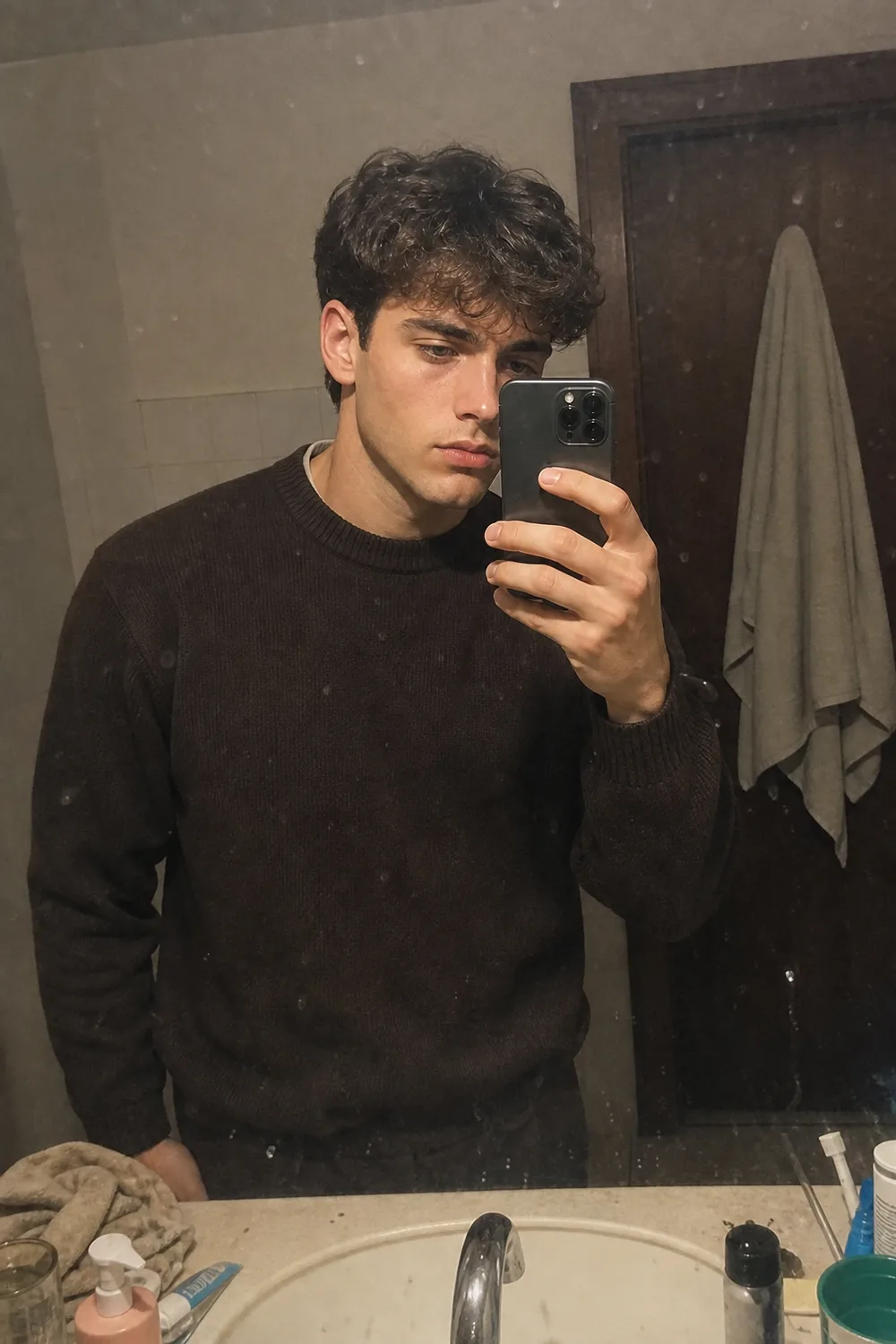 Before
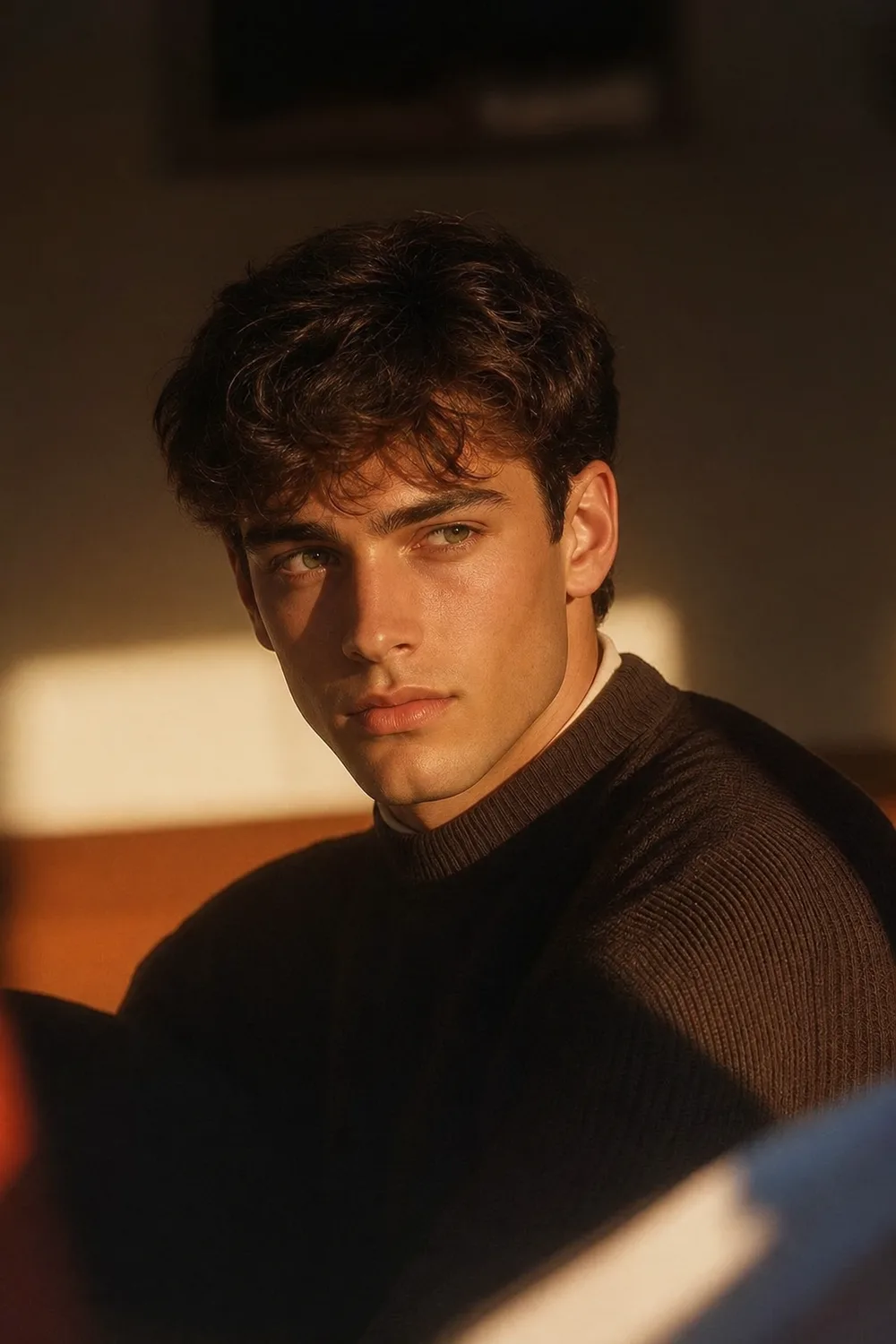 After
AfterStudio / Private by design
See yourself shot properly.
Use our AI dating photo generator to create profile pictures from four everyday selfies. Your uploads are encrypted, never used to train AI, and become inaccessible five days after upload.
Or quick sign-in from here
Why this matters: visibility vs trust tradeoffs
AI-generated or heavily edited photos can lift swipe rates and impressions by improving lighting, composition, and perceived attractiveness. That initial visibility often comes at a cost: multiple platform and independent analyses show profiles using fully synthetic photos see lower reply rates and fewer real-world dates.
Think of profile performance on two axes: surface-level visibility (swipes/impressions) and depth (reply rate, video calls, dates). Polished but inauthentic photos tend to win visibility and lose depth because perceived authenticity drives conversation quality and conversion to offline meetings.
Quick data points to ground the tradeoff:
- One longitudinal sample found AI-only photo profiles received ~41% fewer first-message replies versus matched authentic controls.
- Surveys report 40%+ of users have seen fake or potentially AI-generated dating photos in the prior 12 months, increasing suspicion across the user base.
Platform policy & enforcement: what to watch
Bumble, Tinder, Hinge and other major apps have updated reporting and verification tooling. Policies vary, but enforcement is trending toward identifying and penalizing misrepresentation.
- Bumble: introduced a specific reporting option for “AI-generated photos or videos.” Expect more human/AI moderation attention and greater risk of reports if images appear synthetic.
- Tinder: piloted Face Check biometric verification in some regions—this raises the chance that altered or synthetic images will trigger identity checks or forced verification workflows.
- Hinge / Match Group: emphasizes authenticity in guidance and flags profiles with AI signals at higher report rates; internal data suggests authentic photos correlate with more meaningful conversations.
Practical action: before uploading any synthetic or heavily edited image, read the app’s latest help/terms pages. Enforcement is often reactive—reports from other users trigger deeper checks.

Risk & privacy considerations
There are real consequences to using fully AI-generated photos. Platform responses range from downranking to forced verification and suspension, especially when images materially misrepresent age or identity.
- Account risk: Reports, automated detection, and manual reviews can lead to forced Face Checks, temporary restrictions, or suspension.
- Privacy: Uploaded images are commonly retained in moderation caches and backups. Deleting a photo does not guarantee complete removal from all caches.
- Legal nuance: Generating images that resemble a named person or celebrity invites potential claims; laws about digital likeness vary widely by jurisdiction.
- Bias & false positives: Detection systems are imperfect and can misflag authentic images—this disproportionately affects certain groups in some reports.
Bottom line: treat synthetic images as higher-risk assets. If being seen in person (or passing verification) matters, prioritize authenticity.
Decision-first playbook: choose AI-generated, AI-enhanced, or 100% real
Use these quick decision rules to choose an approach in under a minute.
- Goal = quality matches and in-person dates: Always pick 100% real photos. Rationale: authenticity drives reply rate and date conversion. Invest in one pro or friend-shot session.
- Goal = better first impressions with low verification risk: Use AI-enhanced photos. Rationale: subtle fixes (lighting, color, background cleanup) boost impressions while preserving authenticity signals.
- Goal = quick experiments/stylized presence: Use fully AI-generated images only for experiments or creative contexts where you explicitly label the images as stylized and don’t expect offline meetings.
Budget and verification-signal filters:
- If you’re on an app or in a region with active biometric checks (Tinder pilots), avoid full synthetic images.
- If you’re older (30+) or on paid/niche apps where users expect authenticity, default to real photos.
- If budget is tight, AI-enhance one lead headshot and pair it with 3–4 real lifestyle shots.
Quick 1-minute checklist to pick your approach:
- Is your goal quality dates? Yes → 100% real.
- Do you need better lighting/headshot quickly? Yes → AI-enhanced + 3 real photos.
- Are you experimenting or roleplaying? Yes → AI-only (label as stylized) and accept verification risk.
Demographic nuance: age, gender, and location signals
Demographics reshape the cost/benefit of AI in profile photos.
- Younger users (22–30): More tolerant of stylized or curated images but still need authentic cues to convert impressions to conversations. Creativity can help, but balance is key.
- Older users (30–45): Higher expectation for authenticity and more likely to expect verification—misrepresentation is costlier here.
- Gender differences: Women typically receive more inbound messages; overly polished or sexualized AI images can attract low-quality leads. Men often benefit from a professional headshot but should mix in candid activity photos to signal approachability.
- Location & culture: Urban, trend-forward markets are more accepting of stylized content; small-town and conservative markets prize straightforward authenticity.
Platform-by-platform practical takeaways
- Tinder: Rapid-swipe dynamics favor a polished lead, but Face Check pilots increase verification risk. Best practice: polished headshot + authentic action/lifestyle shots.
- Bumble: Safety-first audience and AI-reporting tools mean enhancements (not fabrication) are the safer choice.
- Hinge: Relationship intent platform—prioritize authentic photos; at least one clearly candid headshot improves message quality.
- Niche/paid apps (Match, CMB): Users expect more authenticity—avoid AI-only primary images and favor real photos or subtle enhancement.
Exact photo recipes: copy-ready profiles for each goal
Below are practical, ready-to-use photo lineups and editing rules for common objectives.
Recipe A — Max quality matches (dates that convert)
- Lead: Authentic candid headshot (natural smile, soft natural light, chest-up).
- Lifestyle: One action shot showing a hobby or sport (full or 3/4 body).
- Social: One group/friends photo (you clearly visible, not crowded).
- Context: Travel or environment shot that reveals interests.
- Optional: Pet or close-up if relevant.
- Editing rules: Light color correction and crop only. Don’t alter body shape, age, or ethnicity.
Recipe B — Improve matches on a budget
- Lead: AI-enhanced headshot (fix lighting, remove glare, subtle skin smoothing ≤10%).
- Photos 2–4: Three authentic lifestyle photos (hobby, full-body, social).
- Photo 5: Natural smile selfie or full-body shot.
- Editing rules: Keep edits subtle; avoid reshaping or eye/skin color changes.
Recipe C — Quick visibility / experiment
- Variant A: AI-enhanced lead + 4 authentic photos.
- Variant B: Authentic lead (light edits) + same 4 photos.
- Run A/B test and prioritize reply/date conversion in your analysis.
Editing boundary rules: safe edits = crop, exposure, color balance, minimal retouch. Unsafe = altering body proportions, age, ethnicity, or adding fake objects/people.

A/B test template: drop-in playbook (7–14 day test)
Run a controlled test to see whether an AI-enhanced lead actually helps your profile. Use this template for a 7–14 day experiment per variant.
Hypothesis example: “Replacing my lead photo with an AI-enhanced headshot will increase matches by X% without reducing reply rate.”
Required sample guidance: aim for at least 1,000 impressions per variant for basic signal; more is better to reduce noise.
Variants:
- Control: Current authentic lead + existing 4 photos.
- Test: AI-enhanced headshot lead + same 4 photos.
Metrics to track (daily or aggregated):
- Impressions / profile views
- Right-swipes / likes (match rate = matches / impressions)
- First-message reply rate within 72 hours (replies / matches)
- % progressing to video call or date (if trackable)
- Reports / forced verification events
Success criteria: prioritize reply rate and date progression over raw matches. If Variant B raises matches but lowers reply rate or increases verification events, treat it as a failure.
Operational tips:
- Run tests during the same day-of-week blocks to control timing effects.
- Keep bio and prompts identical; swap only the lead photo.
- Use equal paid boosts (if any) across variants or avoid them to keep conditions clean.
Tools, vendors & vetting checklist
Quick vendor checklist: evaluate terms of service, training data policies, user reviews, sample fidelity, and refund options.
- Watch for vendors that retain your photos or claim ownership—prefer services that explicitly do not use your images to train models.
- Validate quality with user reviews and independent examples, not just vendor marketing.
- Check refund and revision policies so you can iterate if the output is clearly synthetic.
Non-AI alternatives:
- One-hour pro shoot or friend photo session (often under $150) — best ROI for authenticity.
- Smartphone tips: golden-hour light, 3/4 body framing, simple backgrounds, and a friend or tripod for full-body shots.
Quick actionable summary and recommended default strategy
Follow these copy-ready rules now:
- If you want dates that convert: use 100% authentic photos OR one subtle AI-enhanced headshot plus 3–4 authentic lifestyle shots.
- If you’re testing AI: run a 7–14 day A/B test and prioritize reply/date conversion metrics, not just matches.
- Avoid fully AI-generated primary photos unless you explicitly label them as stylized and are not seeking real-world meetings.
- Always check the app’s help pages before uploading—policies change fast.
Expect to have a clear signal after two weeks if you gather sufficient impressions; otherwise extend the test to improve reliability.
Conclusion
AI can be a useful tool for dating photos when used deliberately. The recommended default: real photos for conversion, AI-enhanced headshots for a visibility boost without sacrificing trust, and full AI-only images only for controlled experiments or stylized contexts. Run A/B tests, monitor verification/report signals, and prioritize reply and date conversion over raw match counts.
Appendix — example A/B spreadsheet columns & sample formulas
Columns to include in your sheet:
- Variant (Control/Test)
- Start date / End date
- Impressions / Profile Views
- Matches
- Replies
- Reply Rate
- Conversions (video calls / dates)
- Reports / Verification events
Sample formulas (spreadsheet-friendly):
- Match rate = Matches / Impressions
- Reply rate = Replies / Matches
- Conversion rate = Conversions / Matches
Export tips: some apps provide limited view counts—if needed, record manual daily snapshots and keep the bio/prompts unchanged while running tests.
Would you like a downloadable Google Sheets/CSV template pre-filled with these columns and formulas? I can generate one next.
Questions, answered.
01Are AI-generated dating photos worth the risk?+
Short answer: sometimes, but often not as a sole strategy. AI-generated headshots can boost initial impressions and swipe volume, yet studies show they often lower reply rates and date conversions because viewers perceive inauthenticity. A safer approach is one AI-enhanced lead photo paired with 3–4 authentic lifestyle shots to balance visibility and trust.
02Will dating apps ban or suspend me for using AI photos?+
Not automatically, but you can be reported, forced into verification, or suspended if photos materially misrepresent you. Platforms like Bumble and Tinder now flag AI images and run face-check pilots; repeated reports or clear impersonation raise enforcement risk. Avoid fully synthetic images or altering age/body significantly to reduce the chance of action.
03How can I safely use AI to improve my dating profile photos?+
Use AI for subtle enhancements only: color correction, lighting, minor blemish removal, and background touch-ups while keeping features, body shape, and age accurate. Pair one polished AI-enhanced headshot with several candid, clearly real lifestyle photos, and disclose stylized images when appropriate. Run an A/B test to verify improved reply and date-conversion rates, not just swipes.
04What metrics should I track to know if AI photos are helping?+
Track impressions/profile views, right-swipes or likes (match rate), first-message reply rate within 72 hours, and percent progressing to video calls or in-person dates. Also monitor reports and forced-verification events. Prioritize reply rate and date conversion as primary success metrics—higher matches alone can be a false positive if replies or dates fall.
05When should I choose a pro photoshoot instead of AI?+
Choose a pro photoshoot when your goal is quality matches, in-person dates, or long-term relationships, or when verification likelihood is high (older demographics or paid platforms). Pro shoots reliably produce authentic, high-quality images that convert better long-term and avoid the misrepresentation and verification risks associated with full AI generation.

Author / reviewed profile
Emma Blake
Emma Blake is a dating coach and portrait photographer with 8+ years of experience helping singles improve their online dating profiles. She has worked with over 2,000 clients and her advice has been featured in Cosmopolitan, Elite Daily, and The Dating Insider. Emma holds a B.A. in Psychology from NYU.