
AI Dating Photos for Over-40s: Authentic, Trustworthy
A hands-on playbook for men 40+ to use AI-enhanced dating photos responsibly—flattering edits, life-stage styling, trust tactics, and a simple A/B test to boost quality matches.

Introduction
If you’re over 40 and using dating apps, appearances matter — but authenticity matters more. Use AI dating photos for men over 40 as a tasteful retoucher, not a replacement: lead with 3–4 real photos and optionally add one conservative AI-enhanced headshot as a secondary image. Pair that mix with verification (video/ID badges) and context-rich lifestyle shots to maximize matches and maintain trust.
This hands-on playbook walks men 40+ through safe AI edits that flatter mature faces, clothing and pose guidance by life stage (divorced, newly single, career-focused, empty nester), verification tactics, and a 4-week A/B testing plan tuned for older daters.
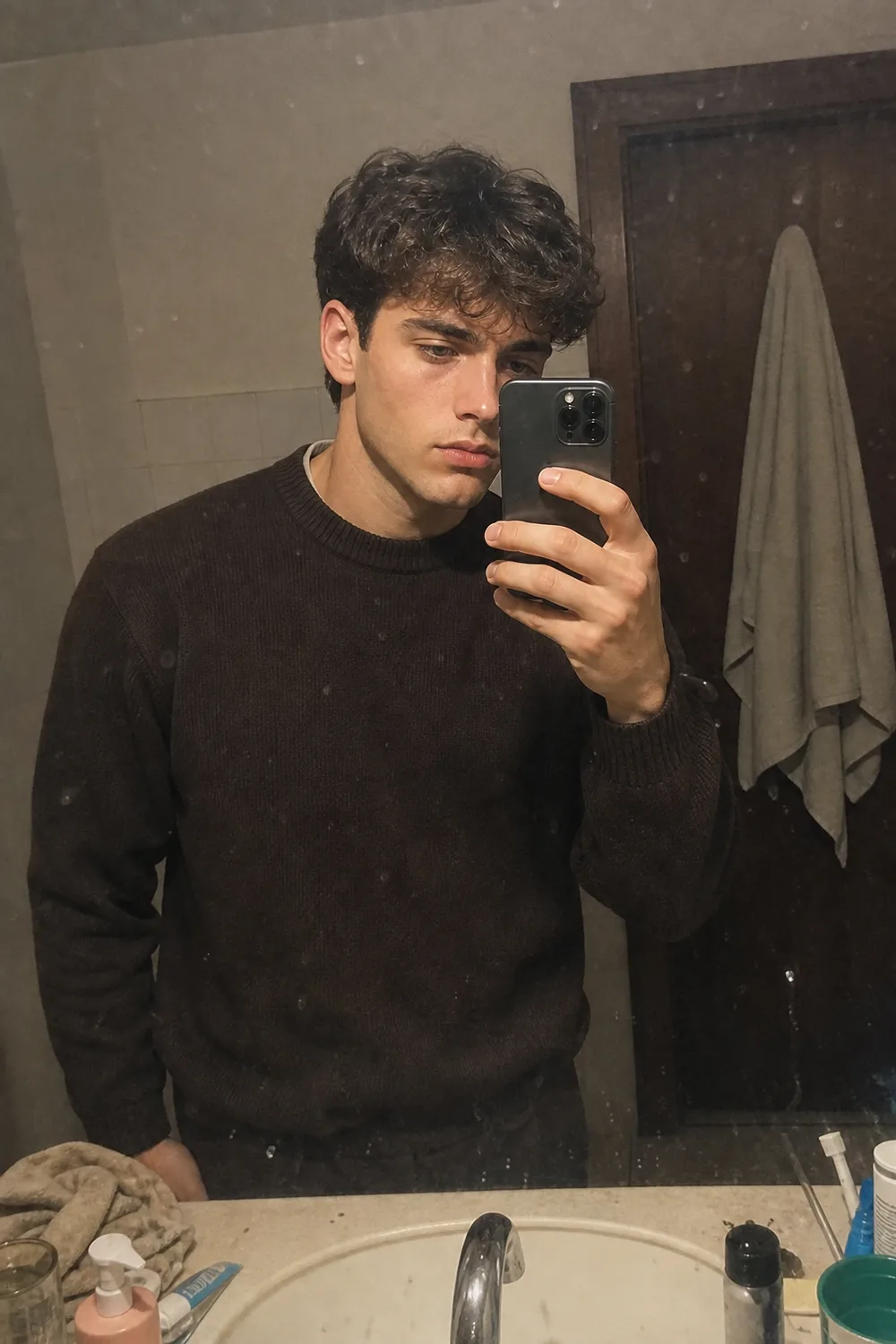 Before
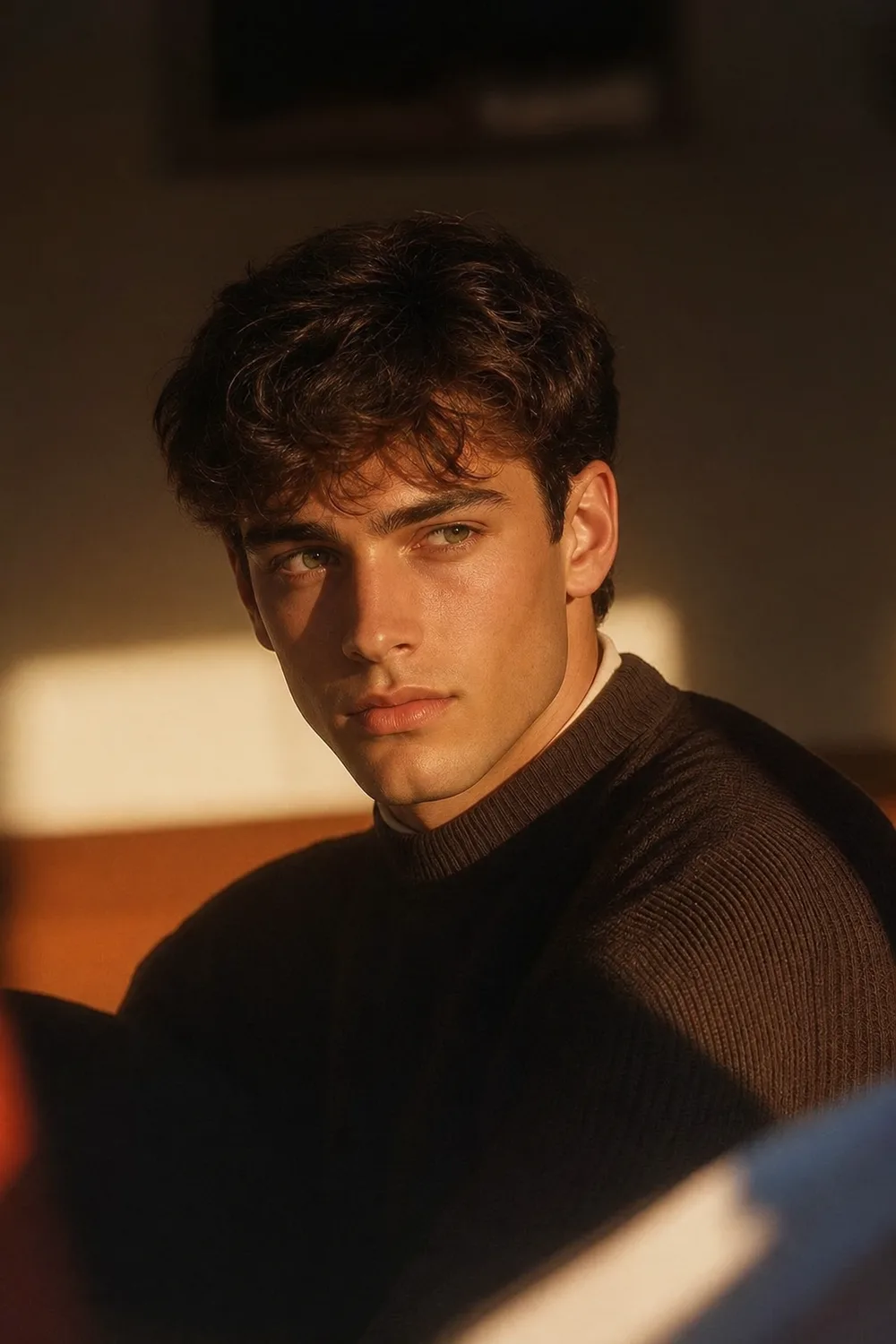 After
AfterStudio / Private by design
See yourself shot properly.
Use our AI dating photo generator to create profile pictures from four everyday selfies. Your uploads are encrypted, never used to train AI, and become inaccessible five days after upload.
Or quick sign-in from here
Why an age-aware AI photo strategy matters for men 40+
Older daters prioritize authenticity and contextual cues more than flawless, studio-like images. Research and platform analytics show that while AI-enhanced headshots can increase initial visibility, they often lower reply rates and video-call conversions when they dominate a profile.
There’s a visibility vs. verifiability tradeoff: AI can boost swipes by ~20–27% in some tests, yet profiles that look "too perfect" trigger suspicion and verification requests. Major apps have introduced AI-reporting and face-check pilots, increasing the risk of penalties for all-AI profiles.
Recommended baseline: lead with 3–4 authentic photos and use at most one AI-enhanced headshot (a 1:3–4 ratio) so you get both reach and trust.
Core principle: Enhance, don’t replace
The simple rule: enhance, don’t replace. Use AI or editors to polish — not to remake — your face or body. That keeps honesty intact and reduces the chance of being flagged or losing credibility.
Acceptable edits include color/lighting balance, minor skin-tone evening, subtle eye sharpening, and 1–3% teeth brightening. Red-flag edits include hairline reconstruction, slimming, body reshaping, or age-reversing surgery-style changes.
Positioning: never use an AI image as your primary photo. Put real, verifiable images first and an AI-enhanced headshot only as a secondary image. If someone asks directly, be honest — transparency beats getting caught later.
Edits that flatter mature faces (what to ask an AI or editor)
Mature faces show character lines and texture that build trust. The goal is to look rested and well-lit while preserving age-appropriate texture and expression.
- Preserve texture: avoid heavy smoothing; retain natural pores and fine lines while reducing glare and harsh shadows.
- Lighting simulation: request soft, warm directional light from about 10–45° above eye level to soften under-eye shadows without erasing character.
- Color temperature & contrast: add modest warmth (+200–400K) and a midtone lift to create a healthy skin tone; avoid extreme saturation.
- Eyes & teeth: subtle eye sharpening and 1–3% teeth brightening; avoid dramatic whitening or oversized iris enhancement.
- Hair & body: do not request hairline reconstruction or body reshaping. Minor cleanup of stray hairs is fine; full hair addition is a red flag.
Examples of safe vs. unsafe edit requests:
- Safe: “Warm the color slightly, lift midtones, soften under-eye shadow 10–15%, sharpen eyes subtly.”
- Unsafe: “Make me look 15 years younger, remove my double chin, and add a full head of hair.”
- Safe: “Clean background distractions and crop to head-and-shoulders.”
- Unsafe: “Slim my torso and enlarge my jawline for a more chiseled look.”

Clothing and pose guidance by life stage
Life-stage signals matter: clothing, location, and posture tell a story that older daters read quickly. Match your wardrobe and poses to the story you want to convey.
Choose clothing and poses that align with your current life stage and attract the right matches. Use consistent colors, simple patterns, and relaxed, confident postures.
Newly single / Divorced (40–50)
Look: smart-casual — a well-fitting blazer or sport coat over a clean shirt; stick to approachable palettes like navy, olive, and warm earth tones.
Poses: relaxed three-quarter torso, natural smile, shoulders down and open. Avoid rehearsed "glamour" poses.
Photo ideas: coffee shop candid, dog-walking, casual hobby shot. Aim for 1 lifestyle, 1 headshot, and 1 mid-shot that show approachability and new openness.
Messaging tip: sound open and curious without over-curating; small vulnerability lines work well (e.g., “newly back in the dating scene — coffee and hikes are my happy places”).
Career-focused / Mid-career (40–55)
Look: polished but not formal — think blazer over a tee or open-collar shirt. Avoid using suit-and-tie in every image; it signals work-first rather than balanced life.
Poses: confident seated or standing angles, hands visible, no sunglasses for primary photos. Show active, not rigid, posture.
Photo ideas: reading at a café, mentoring, casual work-setting shots that hint at competence and balance rather than grind culture.
Empty-nester / Later 40s–50s
Look: relaxed, activity-led wardrobe — outdoor jacket, knit sweater, or layered casuals. Prioritize authenticity and leisure-ready looks.
Poses: candid mid-action, genuine laughter, and full- or mid-body shots to display posture. Include tasteful family or travel context (avoid close-up child faces).
Photo ideas: hiking, travel snaps, woodworking or gardening shots. Emphasize curiosity, stability, and a life that’s open to new chapters.
Minimum photo set every man 40+ should have
Your profile should communicate who you are in three to five frames. Keep the set concise and complementary.
- Primary head-and-shoulders: well-lit, natural smile (real photo).
- Mid-shot or full-body: shows clothing and posture.
- Lifestyle/action shot: communicates hobbies or values.
- Optional: one tasteful AI-enhanced headshot as a secondary image (never primary).
- Optional: a native 5–15s video intro to boost verification and trust.
Verification, trust tactics, and metadata continuity
Verification is critical for men 40+ because older daters are likelier to ask direct questions about authenticity. Use platform verification and contextual cues to anchor trust.
- Use app verification: enable ID or face-check badges when available — these measurably increase credibility and message rates (see The Verge and platform pilots).
- Context-rich photos: pair any AI-enhanced image with photos showing local cafés, landmarks, or date-like settings to provide geotemporal anchors.
- Metadata continuity: keep date-taken EXIF when it’s an option. If apps strip EXIF, include visual cues (seasonal clothing, local spots) to show continuity.
- Short native video intros: a 5–10s clip (“Hi, I’m Mark — into hiking and Sunday coffee”) humanizes you and reduces suspicion quickly.
Disclosure guidance: you don’t need to flag minor retouches, but if asked, answer honestly. Recommended scripts:
- When asked if a photo was edited: “I touched that one up a little for lighting — happy to send a quick video if you’d like.”
- When asked to verify: “Sure — 10-second selfie video now?”
If a match repeatedly presses about edits, offer a live verification or remove the image. Ethical clarity preserves long-term credibility and date success.

Simple A/B testing plan for men 40+ (4-week playbook)
Goal: optimize reply rate and conversion to voice/video calls — not just swipes. Test one photo variable at a time and run during your typical active hours (evenings 7–10pm often work best).
Setup:
- Create two profile variants: A = all-authentic; B = same plus one AI-enhanced secondary headshot.
- Keep bios, prompts, and messaging style identical. Randomize exposure by switching profiles or using boost windows.
Execution (4 weeks):
- Week 1–2: Run Variant A during peak hours and record metrics (match rate, reply rate within 24–72h, average reply length, % asking for verification, number of video-call initiations).
- Week 3–4: Switch to Variant B in comparable time slots and capture the same metrics.
Decision rules and KPI targets:
- Sample KPIs to chase: reply rate within 24h (aim +10–15% for the better variant), video-call initiation (>25% of substantive conversations is a strong sign), and dates scheduled (target ~1 date per 20 solid matches).
- If a variant yields more swipes but more verification requests or “Is this really you?” messages, favor the variant with better downstream conversion — trust beats vanity metrics.
Notes: keep variables minimal, test during consistent time windows, and iterate with small samples before scaling. Older daters often get higher-quality matches when authenticity is preserved.
Headshot sources compared: Pro shoot vs. AI vs. DIY
Three common headshot sources each have tradeoffs. Choose based on budget, usage frequency, and how much you value long-term credibility.
- Professional photoshoot: costs $150–400. Pros: consistent lighting, high credibility, great ROI for active daters. Cons: cost and scheduling.
- AI-enhanced: low-cost polish and fast turnaround. Pros: inexpensive tweaks; Cons: authenticity risk if overused and potential platform reporting.
- DIY smartphone: best value when done right — natural light, friend-shot or tripod, minimal retouching. Pros: authentic and affordable; Cons: requires basic composition skills.
Combination rule: use pro or DIY as a base, and apply conservative AI polish only if needed. Invest in a pro shoot if you plan heavy, ongoing dating use — it often pays off for older daters.
Common profile-photo mistakes to avoid
- Only studio-perfect photos with no context — raises suspicion among older users.
- Over-relying on AI to alter body or face shape; that’s a fast track to credibility loss.
- Primary photo with sunglasses, hats, or no eye contact — these reduce approachability.
- Inconsistent story across photos (small-town bio but exotic yachts in pics).
- Stripping all context/metadata and over-curating every image — subtlety builds trust.
Quick checklists, message scripts, and CTAs
Printable checklist (do vs. don’t) highlights:
- Do: lead with real headshot, include mid/body shot, add 1 activity shot, enable verification badges.
- Don’t: use an AI image as primary, over-smooth skin, or reconstruct hairlines/bodies.
Message scripts:
- Asked about edits: “I lightly retouched that one for lighting — happy to send a quick selfie/video so you know it’s me.”
- Invite to verify: “Want a 10-second face-check now? I can do a quick video.”
CTAs: download the photo checklist, try the 4-week A/B test, or submit anonymized photos for feedback from a community or coach.
Sources, cautions, and where to learn more
Key reporting and research to consult:
- TechCrunch — Bumble’s AI-photo reporting option (July 2024): https://techcrunch.com/2024/07/09/bumble-reporting-option-ai-generated-profiles/
- The Verge — Tinder Face Check and verification pilots: https://www.theverge.com/news/695582/tinder-facial-recognition-us-california-test
- Pew Research Center — dating app usage by age (2023): https://www.pewresearch.org/internet/2023/02/02/the-who-where-and-why-of-online-dating-in-the-u-s/
Caveats: platform policies and detection tools evolve quickly. Numbers quoted (swipe lifts, conversion rates) often come from platform-internal tests and can vary by market and cohort. Re-check app rules before heavy AI use.
Conclusion
If you’re 40+, think of AI as a stylist and retoucher — not a mask. Use one tasteful AI-enhanced headshot only if it complements multiple authentic photos and you’re willing to verify quickly if asked. Preserve honesty, prioritize context, and test what actually converts to conversations and dates.
Questions, answered.
01Are AI dating photos allowed on Tinder, Bumble, and Hinge?+
Short answer: it depends — apps differ and enforcement is increasing. Bumble and other platforms now offer AI-photo reporting tools and Tinder has trialed video face-checks, so fully AI-generated or deceptive images risk reports, downranking, or removal. Use AI sparingly, check each app’s current rules, and prioritize real photos plus verification badges to stay compliant and trusted.
02Will using an AI-enhanced headshot get me more matches?+
Possibly — AI-enhanced headshots can increase initial swipe impressions by roughly 15–25% in some tests, but they often lower reply rates and video-call conversions if they dominate your set. The best tradeoff for men 40+ is one tasteful AI-enhanced headshot as a secondary image combined with 2–4 authentic lifestyle photos to preserve trust and sustained engagement.
03Is it dishonest to use AI to 'flatter' my photos?+
Not necessarily — minor, natural-looking retouches (lighting, color, small skin/teeth touch-ups) are generally acceptable, but heavy alterations that change age, body shape, or context cross into dishonesty. If asked by a match, be honest; avoid images that create an unrealistic expectation, because perceived deception rapidly reduces trust and can lead to reports or broken connections.
04How can I avoid being flagged or losing trust if I use AI edits?+
Use AI conservatively and never as your only evidence of appearance: keep a 1 AI : 3–4 real-photo ratio, avoid body/age changes, preserve natural skin texture, and include contextual lifestyle shots. Complete app verification (ID or video face-check) and add a short native video intro to boost credibility; if many matches ask “Is this really you?” remove the edited image.
05What’s the simplest A/B test I can run to see if AI helps my profile?+
Run a 4-week test with two variants: A = four authentic photos; B = same three authentic photos plus one AI-enhanced headshot as a secondary image. Keep bio and activity times identical, run each variant for two comparable weeks, and track match rate, 24–72h reply rate, % progressing to video call, and message length. Compare results and favor the version that raises reply and video-call conversion, not just swipes.
Author / reviewed profile
James Park
James Park is a relationship researcher and digital marketing specialist who studies how visual presentation impacts online dating success. His research on dating app profile optimization has been cited in academic journals and popular media. James holds an M.S. in Social Psychology from UCLA.