
AI-Safe 6-Photo Dating Profile Workflow That Converts
Follow a prescriptive 6-photo workflow that assigns which slots can be AI-enhanced or authentic, with exact prompts, verification anchors, continuity rules, A/B test plan, and before/after examples.

Introduction
Want better matches without risking verification bans or awkward first dates? Use an AI-safe 6-photo dating profile workflow: keep your primary headshot and a full-body photo fully authentic as verification anchors, allow one subtle AI-enhanced headshot and one environmental AI edit, and fill remaining slots with honest lifestyle shots. This mix preserves trust, boosts swipe appeal, and lowers detection risk while improving conversation quality.
This article explains why mixed profiles work, maps each of the six slots to AI or real photos, gives exact prompts and edit rules, shows continuity and metadata anchors to avoid detection, provides quick pre-upload checks, an A/B test plan, three goal templates, and sample before/after pairings.
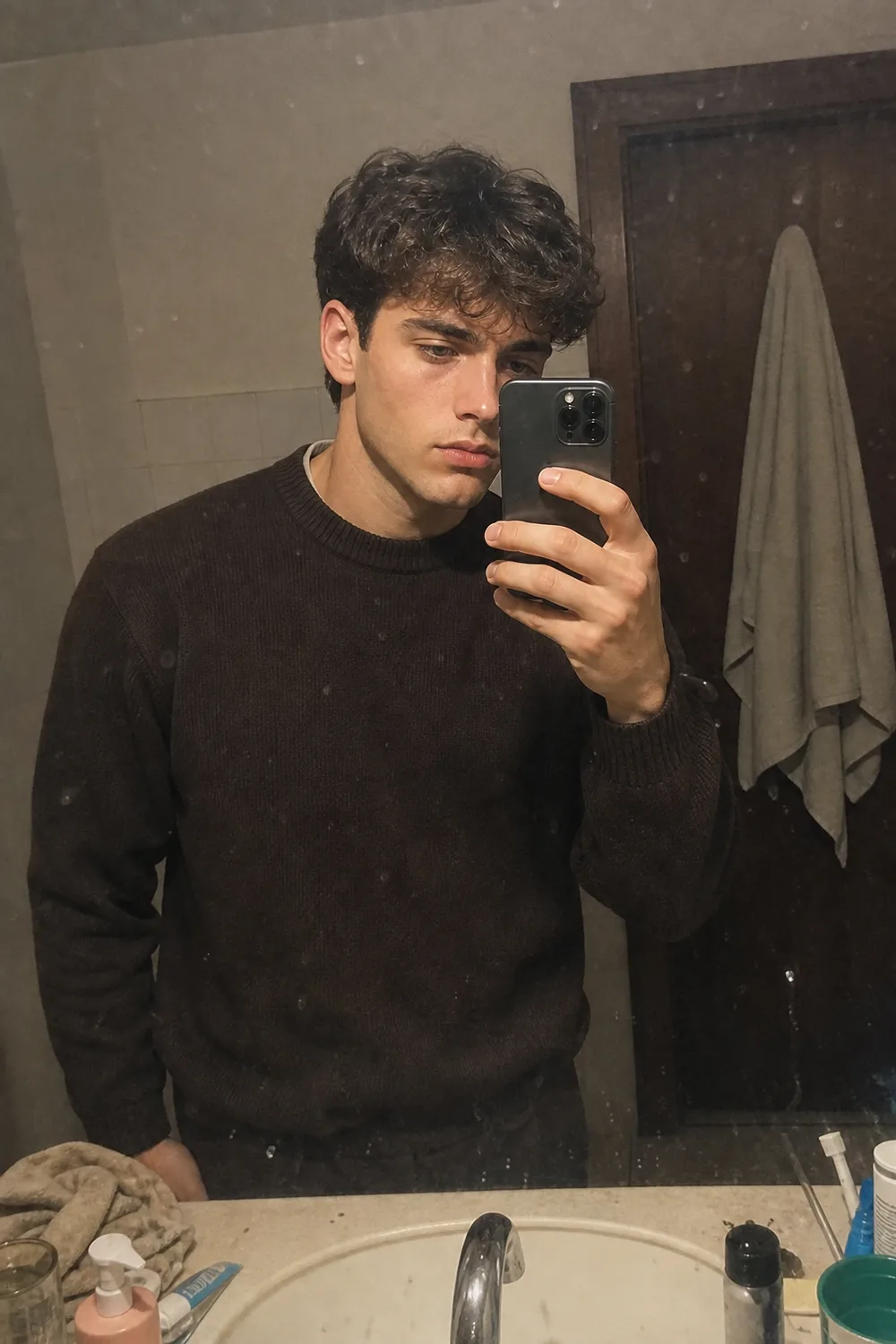 Before
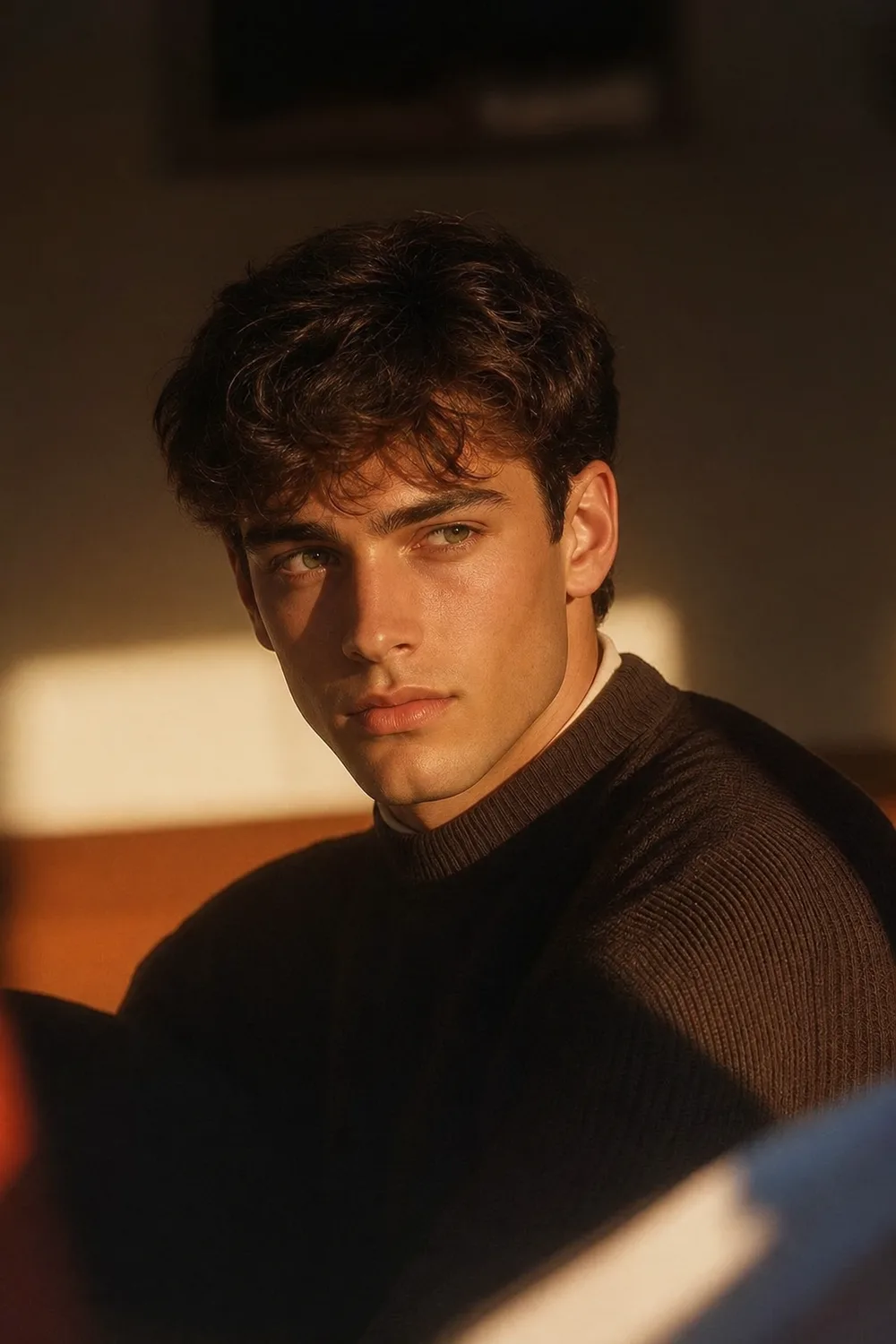 After
AfterStudio / Private by design
See yourself shot properly.
Use our AI dating photo generator to create profile pictures from four everyday selfies. Your uploads are encrypted, never used to train AI, and become inaccessible five days after upload.
Or quick sign-in from here
Why ‘AI-safe’ matters now: platform trends & risks
Dating platforms are expanding liveness and ID verification (video selfies, Face Check, optional ID uploads) across multiple markets. Verified profiles often show higher match and engagement rates in platform reports from 2023–2025. That makes undisclosed synthetic faces a higher-stakes choice.
Automated detectors are improving but imperfect; humans also struggle to distinguish AI faces reliably. Detection is an arms race: tools that once missed synthetic images are increasingly accurate, and platforms may flag visual-verbal inconsistency.
Practical takeaway: undisclosed heavy AI faces increase short- and long-term risk. A mixed workflow—real verification anchors plus limited, identity-preserving AI—reduces detection signals and keeps conversations authentic.
The research-backed 6-photo slot map (default configuration)
Assign each slot with a clear purpose to balance swipe appeal and trust. Below is the recommended default configuration and why it works.
Slot 1 — Primary headshot: Real (verification anchor)
Use a recent, high-resolution headshot showing a genuine smile and natural lighting. This image is the primary trust signal and should be unedited for any verification steps.
Slot 2 — Optional AI-enhanced headshot
One subtle, identity-preserving enhancement is allowed here. Limit edits to lighting, skin-tone evening, and slight background blur. Do not change facial structure, hairline, eye color, or age.
Slot 3 — Authentic full-body shot: Real (verification anchor)
Include a clear full-body photo in a natural setting or activity. Full-body shots increase trust and serve as a second verification anchor for liveness/ID checks.
Slot 4 — Lifestyle/activity shot
Show a hobby, travel scene, or social setting. This shot is a conversation starter and social proof; a casual group shot is acceptable if you remain the focus.
Slot 5 — Candid ‘in-action’ shot
Use a candid laughing, pet, or activity shot. These photos tend to generate higher-quality messages and prompt more meaningful conversations.
Slot 6 — Backup/seasonal/environment edit
Reserve this for a non-face AI environmental edit or a seasonal update. Keep continuity with accessories and hair; avoid radical changes. Think of Slot 6 as variety without misrepresentation.

AI use rules & the '30% realism delta' heuristic
Follow simple principles: preserve identity, avoid new facial features, and never alter body shape or age dramatically. These rules reduce both detection risk and the chance of uncomfortable in-person surprises.
The '30% realism delta' is a practical heuristic: visual changes should remain within a 30% perceptual difference from the original. Typical acceptable edits include:
- Lighting correction and color-grading
- Minor blemish removal and skin-evening
- Background blur or realistic environment swap that preserves shadow direction
Do NOT change:
- Facial structure, hairline, or eye color
- Body proportions, height cues, or obvious weight changes
- Obvious new tattoos, scars, or accessories that contradict other photos
Ethical and legal note: avoid generating faces that resemble public figures or acquaintances. If you are verifying your account for safety or workplace reasons, avoid AI on verification images entirely.
Exact prompts and edit instructions you can reuse
Below are concrete image-to-image prompt templates. Use models/tools with identity-preservation modes and always save originals.
Subtle headshot enhancement (image-to-image)
Prompt: "Enhance this headshot: maintain identical facial structure, hairline, skin tone and eye color. Improve natural lighting, remove minor blemishes, even skin texture subtly, maintain realistic pores and eyes. Slight background blur (bokeh), color temperature warm 5800K, keep clothing and accessories unchanged. Output photorealistic, high-resolution headshot suitable for dating profile."
Post-edit checks: compare nose tip, ear position, and mouth corners. Changes should be limited to lighting and skin texture.
Background/environment replacement
Prompt: "Replace background with a realistic outdoor café scene in daylight; keep original lighting direction and shadows; preserve subject edges and hair detail; no added props or clothing changes. Match color grading to original photo."
Anchor rule: do not add objects that contradict your bio (e.g., a surfboard if you don't surf).
Color-grading and full-body polish
Prompt: "Apply subtle color-grade and contrast boost to full-body photo: preserve body shape, clothing, and stance. Improve exposure, sharpen fabric textures slightly, and maintain natural skin tones. No body reshaping."
Version-control & checks
- Save originals and export edited versions with clear filenames and timestamps.
- Use landmark comparison tools to ensure facial landmarks remain unchanged beyond lighting/texture.
- Prefer tools that document edit logs or provide identity-preservation flags.
Verification anchors, metadata handling & safety checks
Define verification anchors: Slot 1 (headshot) and Slot 3 (full-body) should remain unedited high-resolution originals to pass liveness and ID comparisons.
Metadata guidance:
- Preserve plausible EXIF data (approximate timestamps, camera model). This reduces automated anomaly flags.
- Do not falsify legal ID metadata or attempt to manipulate official verification assets.
Verification workflow tips:
- When doing Face Check or video selfie, use your unedited Slot 1 headshot and a live selfie that matches it closely.
- If a platform requests ID verification, submit the requested real photo or document and do not use an AI image for that process.
Warning: uploading a synthetic face as a verification image can block your verified badge and may lead to account suspension in stricter markets.
Clothing, lighting & continuity checklist
Consistency across photos is a strong human cue for authenticity. Use the following practical rules:
- Repeat at least one clothing/accessory element across photos (same jacket, watch, necklace, or color palette).
- Maintain similar hair and facial-hair representation across slots.
- Keep primary light direction consistent (left/right/top) between polished headshots and lifestyle images to avoid shadow mismatches.
- Document distinctive anchors: scar, tattoo, watch, glasses — keep them visible in at least two photos.
Quick photographer/DIY shoot checklist:
- Choose one accessory to recur in at least two shots.
- Shoot with consistent light source; avoid heavy top-down shadows for headshots.
- Capture one candid action and one full-body from a similar distance/angle to Slot 1.
Quick-check detectors and human inspection steps
Use detectors as heuristics, not certainties. Run 2+ automated tools and aggregate results. Recommended types include academic detector models, commercial checkers, and IsItAI-like tools.
Human inspection checklist:
- Zoom to 200%: inspect eye reflections, asymmetry, and eyelash edges.
- Check teeth and gums for odd patterns; look for inconsistent earring/ear reflections.
- Examine hair edges and background rim artifacts for unnatural blending.
Behavioral smoke tests after upload:
- Watch for unusually high swipe-to-chat drop-offs.
- Track number of short chats where matches request immediate video; frequent requests may indicate perceived inauthenticity.
If multiple detectors flag an image or human checks reveal artifacts, rework the photo and rerun checks before keeping it live.
A/B test plan: measure matches, message quality, and date conversions
Design clear control and test groups and run each for two weeks to gather stable signals. Keep bio, age, location, and messaging strategy constant across variants.
Recommended variants
- Control: 6 authentic photos (no AI)
- Test A: Slot 2 replaced with a subtle AI-enhanced headshot (Slot 1 remains real)
- Test B: Slot 6 replaced with AI environmental edit (non-face changes)
Metrics to capture
- Match rate (swipes → matches)
- Meaningful-message % (messages ≥15 words or referencing profile details)
- Reply rate to first message
- Date conversion rate (matches → in-person/virtual date within 30 days)
- Retention over 30 days (ongoing conversations)
Recommended sample size caveats: smaller markets or low-activity accounts may need longer tests. Expect short-term uplift for polished images but monitor mid-term retention for authenticity signals.

Three goal templates: More matches, Better conversations, Safer first dates
Goal A — More matches (maximize swipe appeal)
Strategy: prioritize a polished look while keeping two unedited anchors.
- Slot 1: Real smiling headshot (unaltered)
- Slot 2: Subtle AI-enhanced headshot (lighting, skin tone)
- Slots 3–6: Authentic full-body + lifestyle + candid + environmental edit
Monitor: match rate uplift and retention; swap out AI headshot if many short, suspicious chats appear.
Goal B — Better conversations (quality over quantity)
Strategy: minimize AI; emphasize hobby, pet, and travel photos that prompt long messages.
- Use mostly real photos for Slots 1, 3–6.
- If using AI, restrict it to a near-identical headshot variant for polishing only.
Monitor: % meaningful messages and reply rate.
Goal C — Safer first dates (trust & verifiability)
Strategy: verification-first; no synthetic faces for verification steps and a strong full-body set.
- Slot 1 and 3: unedited, recent, high-res photos used for any verification.
- Slot 2 or 6: non-face AI edits only (background swaps, color-grade).
Monitor: requests for video/selfie and successful verification completions.
Sample before/after pairings and captions (what’s acceptable)
Three acceptable concepts with exact changes described:
- Headshot lighting fix: Before: overhead-phone selfie; After: corrected light, warmed color temperature, minor blemish removal. Changes: exposure, skin tone smoothing only. Caption: “Lighting + skin-tone correction — identity unchanged.”
- Environmental swap: Before: messy backyard; After: plausible café background, matched shadows and color. Changes: background and color grade only. Caption: “Environment corrected, subject unchanged.”
- Full-body color-correct: Before: low-res photo; After: sharper, contrast boost, preserved body proportions. Changes: resolution, contrast, color — no reshaping. Caption: “Color/contrast boost — full-body authenticity preserved.”
Quick-action checklist (one-page pre-upload checklist)
- Keep 2 unedited originals: Slot 1 (headshot) and Slot 3 (full-body).
- Run 2+ automated detectors; if 2+ flag, rework photo.
- Perform human zoom inspection at 200% on eyes, hair edges, and teeth.
- Maintain at least one repeating clothing/accessory element across photos.
- Do not use AI images for any verification steps if you want the verified badge.
- Save version-controlled originals and edited files with clear filenames and timestamps.
Tip: Save this checklist to your phone before uploading.
Conclusion & next steps
A mixed AI-safe 6-photo workflow gives you the best of both worlds: improved swipe appeal from subtle enhancements and preserved trust from unedited verification anchors. Use the slot map, apply the 30% realism delta, and follow metadata and continuity rules to minimize detection risk.
Next steps: choose a goal template, prepare your two verification anchors, produce one subtle AI-enhanced headshot if desired, run detectors and human checks, and run a short A/B test. If you want, request a ready-to-publish draft, an infographic, or sample image mockup captions from this brief.
Questions, answered.
01Are AI-enhanced dating photos allowed on major apps like Tinder and Bumble?+
Generally yes, many apps do not explicitly ban subtle AI edits, but rules vary and policies prohibit material misrepresentation; undisclosed synthetic faces are riskier where verification or liveness checks are used. Check the app’s current policy and avoid using AI images for verification steps (video selfie/ID), because platforms increasingly revoke badges or remove accounts flagged for inconsistency.
02Will using a subtle AI headshot actually increase my matches?+
Yes — a tasteful, identity-preserving AI-enhanced headshot can boost initial swipe appeal, especially when paired with authentic lifestyle and full-body photos. Research and vendor reports show short-term match lifts for polished images, but mixed profiles (one polished headshot plus mostly real photos) produce better long-term message quality and date conversion than fully synthetic sets.
03How can I check if an edited photo might trigger a detector or human review?+
There’s no perfect test, but run multiple automated detectors, inspect images at high zoom for hair/eye anomalies, and compare landmarks to the original photo; if two or more detectors flag it or you spot inconsistent shadows, redo the edit. Also keep unedited verification anchors (a recent headshot and full-body photo) on hand in case human moderators request proof.
04If I want the verified badge, can I use AI photos in my profile?+
No — if you want a verified badge you should use only real, recent photos for the platform’s liveness or ID checks; AI-generated faces typically won’t pass video selfie or ID verification and can trigger badge removal. You can still use subtle AI edits for non-verification photos, but maintain strong continuity with your verified images to avoid review flags.
05What are safe edits I can make with AI without misleading matches?+
Safe AI edits preserve identity: adjust lighting, color grading, background blur, minor blemish removal and resolution/contrast fixes while keeping hairline, facial features, skin tone, and body shape unchanged. Maintain continuity across photos (same accessories, hair, proportion) and avoid adding props, different age cues, or drastic reshaping that would create visual-verbal inconsistency or misrepresent your in-person appearance.
Author / reviewed profile
James Park
James Park is a relationship researcher and digital marketing specialist who studies how visual presentation impacts online dating success. His research on dating app profile optimization has been cited in academic journals and popular media. James holds an M.S. in Social Psychology from UCLA.