
Build a 6-Photo Dating Set: AI + Real Photos That Win
A prescriptive 6-photo blueprint: 3–4 real pics + 1–3 conservative AI fills. Get exact shot descriptions, outfit & lighting tips, safe AI substitutions, app-specific splits, a DIY shoot checklist, and copy-ready prompts.

Answer: Use a 6-photo hybrid set that anchors identity in 3–4 real images and adds 1–3 conservative AI fills (full-body, travel, or activity) that preserve facial, body, and styling continuity. This combo boosts swipe appeal while keeping verification risk low across Tinder, Hinge, and Bumble.
Photos still decide whether someone swipes right—variety and trust matter equally. Below is a plug-and-play, app-aware 6-photo blueprint with exact shot descriptions, outfit and lighting tips, safe vs. risky AI substitutions, sample app splits, a DIY shoot checklist, and copy-ready AI prompts you can paste into diffusion/portrait UIs.
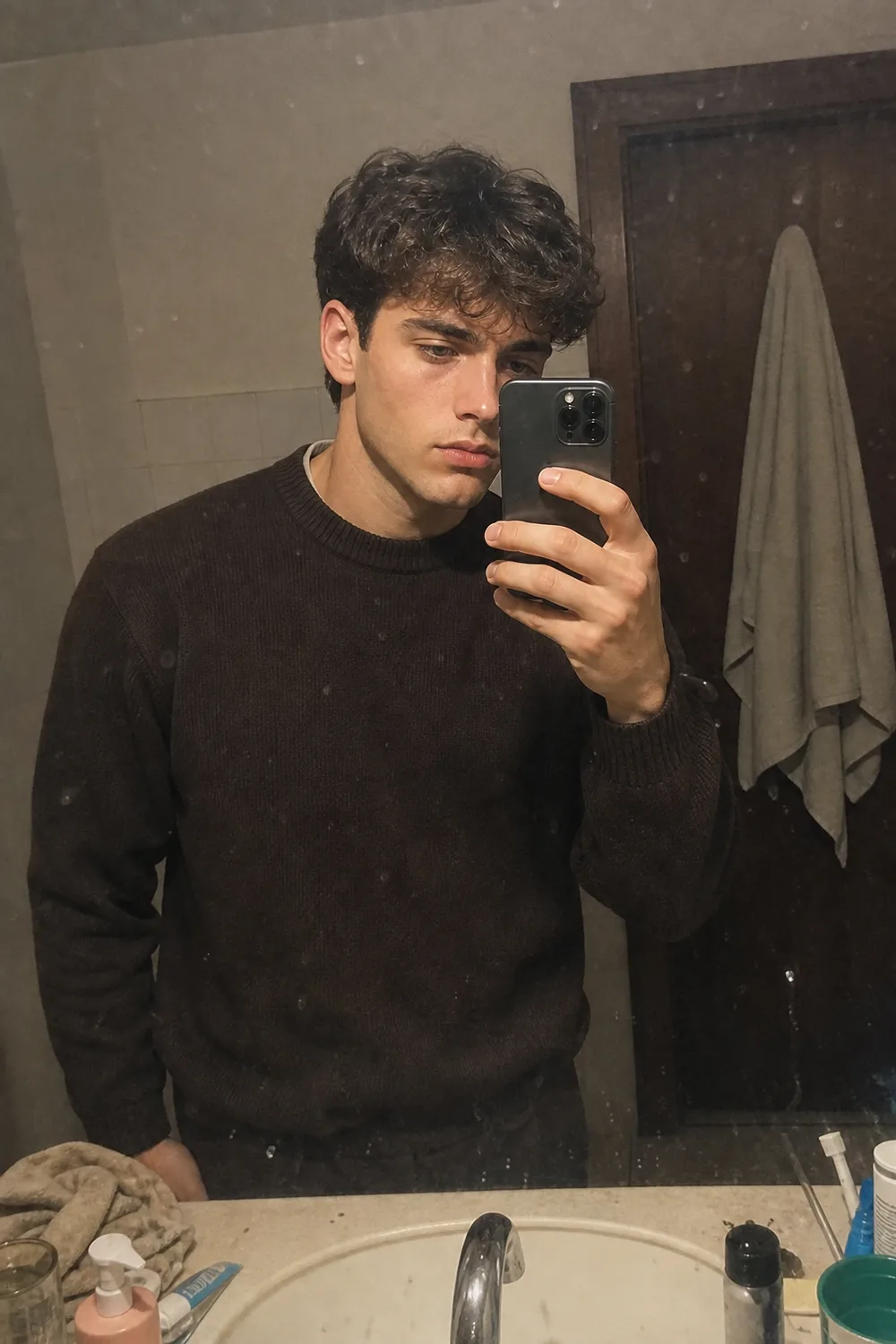 Before
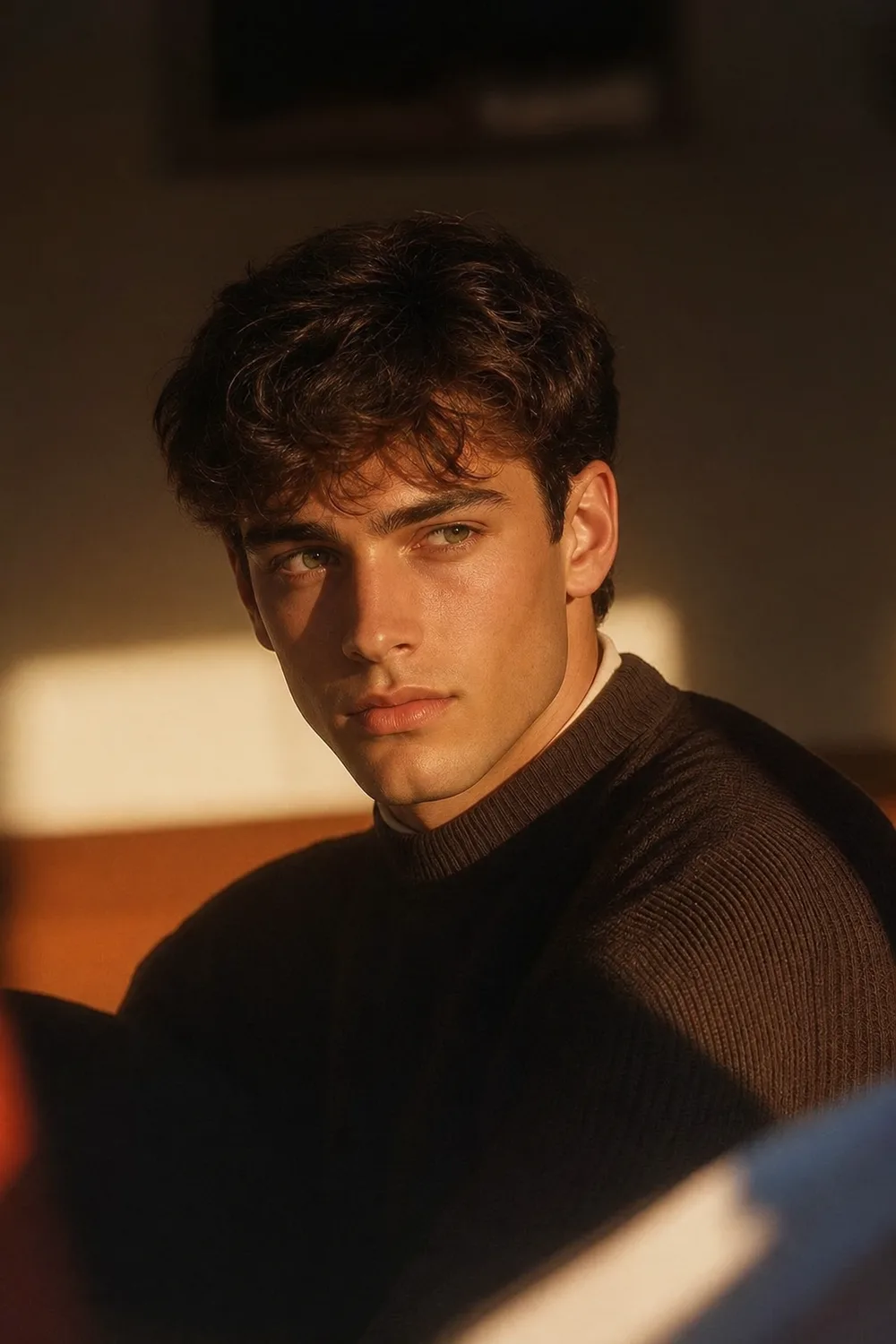 After
AfterStudio / Private by design
See yourself shot properly.
Use our AI dating photo generator to create profile pictures from four everyday selfies. Your uploads are encrypted, never used to train AI, and become inaccessible five days after upload.
Or quick sign-in from here
Why photos still matter (and how AI fits in)
People form snap judgments from the first image: studies and platform data show photos are the primary signal driving matches and replies. High-quality, varied photos increase match rates and message volume.
At the same time, dating apps and Match Group brands are adding photo selection tools and liveness/verification features, which raises the stakes for fully synthetic images. A hybrid approach—3–4 real photos plus 1–3 carefully generated AI fills—gives you visual variety without losing authenticity or triggering verification friction.
Platform reality: verification, liveness checks, and risk
Match Group (Tinder, Hinge) and other platforms are expanding face-liveness and photo-verification tools. These systems compare static profile photos to a live selfie/video; large discrepancies can trigger flags, requests to reupload, or reduced visibility.
Video selfie checks are stronger evidence of identity than static photos. Practical consequences include temporary profile limits, re-verification prompts, or lower ranking by app algorithms. The safe rule: keep your primary headshot real and visually consistent with what a live selfie would show.
The 6-photo hybrid blueprint: exact shot-by-shot plan
Top-level rule: 3–4 real photos + 1–3 conservative AI fills. Order matters: lead with a real primary headshot, follow with activity and social cues, add a full-body and travel shot (AI OK if conservative), and finish with a detail or hobby photo. Test and adjust per app and dating goals.

Shot-by-shot descriptions (Photo 1–6)
Photo 1 — Primary headshot (REAL)
- Framing: chest-up or head-and-shoulders, eye-level.
- Pose: relaxed, natural smile; direct eye contact.
- Clothing: solid, well-fitted top; minimal logos.
- Lighting: soft window or golden-hour light; shallow background blur.
- Why it works: anchors identity; must match live-verification selfie.
- Good vs bad: Good = soft-lit, clear eyes; Bad = heavy filters, sunglasses, extreme retouch.
Photo 2 — Activity / interest (REAL)
- Framing: 3/4 torso or mid-distance; capture the action (playing guitar, cooking, coffee).
- Pose: candid, not overly staged; show hands doing the activity.
- Clothing: relevant and tidy; layers add texture.
- Why it works: conversation starter and authenticity cue.
- Good vs bad: Good = real prop, motion; Bad = forced pose or fake props.
Photo 3 — Full-body (AI allowed conservatively)
- Framing: full-length, feet visible, neutral or plausible background.
- Pose: natural stance, weight shifted, no exaggerated muscles.
- Clothing: date-ready outfit; shoes visible.
- Why it works: shows body proportions and posture—important for trust.
- Verification note: if AI-generated, preserve proportions, facial features, hair, facial hair, scars/tattoos.
- Good vs bad: Good = accurate proportions and matching hair; Bad = body reshaping or impossible posture.
Photo 4 — Travel / environment (AI allowed)
- Framing: waist-up or full; environmental context that feels plausible.
- Pose: relaxed, interacting with the scene (leaning on rail, looking at skyline).
- Clothing: weather-appropriate; avoid luxury props you don’t own.
- Why it works: adds lifestyle variety and storytelling value.
- Verification note: pick plausible locations and maintain styling continuity.
Photo 5 — Social or pet shot (REAL)
- Framing: crop so you’re clearly visible (shoulder/elbow crop of group is fine).
- Pose: smiling, engaged; if it’s a pet shot, make sure it’s your pet or your close friend’s pet.
- Why it works: signals social life and warmth; pets increase engagement.
- Good vs bad: Good = clear face + one friend/pet; Bad = group of 4 with tiny faces and no context.
Photo 6 — Detail / hobby / close-up (REAL or subtle AI)
- Examples: hands on a guitar, a tattoo close-up, cooking action, or a book you’re reading.
- Why it works: memorable detail that makes you stand out and prompts messages.
- AI note: only use AI for lighting/cleanup — don’t add props or change items shown.
Outfit, lighting and composition guidance (quick rules)
Headshot outfit rules: solids over patterns, fitted not tight, neutral or complementary colors, minimal logos. Grooming: neat hair, trimmed facial hair, natural-looking makeup if used.
Full-body & activity wardrobe: layers, visible footwear, avoid visible brand-heavy accessories, and pick one outfit that matches the headshot’s formality.
Lighting cheat-sheet:
- Headshot: window-facing soft light, avoid overhead fluorescents.
- Full-body: golden hour or open shade for flattering light.
- Mixed-light warning: avoid combining daylight and warm indoor bulbs in the same frame.
Composition rules: keep primary eye-level, show feet for full-body, crop group photos so you’re identifiable, and use the rule of thirds for activity shots.
Safe vs. risky AI substitutions (clear checklist)
Safe AI uses (low risk):
- Background cleanup and consistent color grading.
- Realistic full-body fills that preserve height, proportion, hairstyle, facial hair, scars/tattoos.
- Minor blemish correction and lighting enhancements that keep skin texture.
Risky / forbidden uses (avoid):
- Synthetic headshots that materially change face shape, jawline, or eye position.
- Fabricating luxury items, fake people, pets, or companions.
- Major body reshapes, age/race changes, or added tattoos/scars you don’t have.
Continuity rules: always preserve identifying cues (hairline, facial hair, tattoos, and approximate age). If your AI image disagrees with your live selfie, expect verification friction.
Decision flow (quick): If an image changes who you are at glance → avoid. If it only fills a plausible background or shows your real proportions in a different pose → OK (but conservative).
App-specific guidance and sample 6-photo splits
Tinder (fast-swipe)
- Prioritize a strong primary headshot and a full-body or 3/4 image (Photos 1 & 3).
- Photo Selector and other in-app tools can help choose winners—use them but keep the primary real.
- AI allowance: max 1–2 conservative AI images (full-body, travel).
Hinge (conversation-driven)
- Highlight activity and detail photos (Photos 2 and 6) to fuel prompts and DMs.
- Verification is expanding—minimize synthetic images; AI allowance: max 1 conservative image.
Bumble (safety-forward)
- Bumble encourages verification—complete verification if possible and use AI only for benign fills (background/lighting).
- AI allowance: ideally 0–1 conservative fill.
Three sample splits
- Conservative: 6 real (0 AI) — lowest risk, best for quick in-person meets.
- Hybrid (recommended): 4 real + 2 AI — AI used only for full-body and travel; conservative and consistent.
- Experiment (higher-risk): 3 real + 3 AI — for rapid variety; be ready to revert on flags or poor message quality.
DIY mini shoot checklist (gear, settings, shots to capture)
Gear essentials:
- Recent smartphone (iPhone 11+/Android 2020+), tripod/self-timer, or a friend shooter.
- Shoot in highest-quality JPEG or RAW if available.
Lighting & settings:
- Window-facing soft light for headshots; golden hour for outdoor bodies.
- Avoid mixed lighting and fluorescent overheads.
Framing & shot list for a 20–60 minute session:
- Primary headshot (chest-up), 3/4 activity shot, full-body, candid smile, group/pet, detail close-up.
- Take 50+ photos; review on desktop and pick a verification-ready primary.

Copy-ready AI prompts (plug-and-play, conservative style)
Prompt best practices: include accurate age, gender, hair, facial hair, body type, outfit, lighting, camera distance, and explicit realism constraints ("no face reshaping," "preserve skin texture"). For travel fills, pick plausible places you could've visited.
Full-body conservative (paste into diffusion UI)
“Photorealistic full-body photo of a 32-year-old male with short brown hair, light stubble, 5'10" athletic build wearing a navy casual blazer, white tee, dark jeans and white sneakers. Natural standing pose, relaxed smile, hands in pockets, soft golden-hour lighting, urban park background with shallow depth of field. Preserve realistic skin texture, no face reshaping or smoothing, maintain current hairstyle and approximate facial features. High-resolution, realistic shadows.”
Travel background fill
“Photorealistic waist-up photo of a 29-year-old female with shoulder-length dark hair, wearing a green knit sweater, looking off-camera and smiling slightly. Background: Lisbon-style tram and cobblestone street (daylight). Warm, natural color grade, realistic lighting and skin texture, no added props, maintain current age/appearance. Minimal retouching.”
Activity full-body
“Photorealistic action photo of a 35-year-old nonbinary person, medium build, wearing a breathable blue hiking jacket and black khakis, mid-walk on a forest trail carrying a small daypack. Natural motion, candid expression, daylight, realistic body proportions, visible shoes. No exaggeration of physique, preserve facial features consistent with supplied references.”
Prompts/phrases to avoid: “Make me look 10 years younger,” “add a Rolex,” “supermodel jawline.” Also avoid phrases that change race, add fake people, or alter identifying marks.
Quick editing tips: Keep EXIF when possible, export high-resolution files, and avoid heavy smoothing or skin-swap filters.
Testing, measurement and iteration (A/B test plan)
Simple A/B template:
- Swap one real photo with a conservative AI version.
- Run for 7–14 days, tracking match rate and message quality.
- Compare: match rate (quantity), reply rate/average message length (quality), and date conversions.
Interpretation: if matches rise but replies drop or verification flags appear, revert the AI image. Re-test monthly or after major profile changes.
Transparency, ethics and privacy considerations
Consider a short bio note if you use AI for non-critical images (e.g., "some pics lightly enhanced"). This reduces trust shocks if discovered later.
Be mindful of biometric verification and local laws—apps retain face maps temporarily for liveness checks. Also watch for detector bias: poor lighting or dark skin tones sometimes trigger false positives, so keep real photos high-quality.
Ethics: avoid deception that could harm others. Using AI for expressive or identity-affirming edits is a personal choice—use official app workflows where possible for safety.
Quick checklist (download-ready summary)
- 6-photo slots: 1 headshot (real), 2 activity (real), 3 full-body (AI OK conservative), 4 travel (AI OK conservative), 5 social/pet (real), 6 detail (real/subtle AI).
- AI allowed: background fixes, full-body fills preserving continuity; AI forbidden: synthetic headshots, fake people/pets, major reshapes.
- Shoot checklist: phone + tripod, window light, golden hour, 50+ shots, desktop review.
- Testing: A/B one-photo swap for 7–14 days; track match & reply rates.
Call-to-action: Save or download this one-page checklist and the included prompts for quick reuse.
Sources, citation notes, and update advisory
Key sources: Tinder press release on Photo Selector (July 2024), Match Group safety/verification pages, Bumble help/privacy docs, Biometric Update coverage of liveness rollouts, and market overviews (Statista/industry reports).
Note on evidence: many match-rate claims come from vendor A/Bs—treat big swings cautiously. Platform policies evolve quickly; verify app help pages before major profile changes. (Last reviewed: February 12, 2026.)
Conclusion: action steps and next moves
Recap: use a 3–4 real + 1–3 conservative AI rule-of-thumb and keep your primary headshot real and verification-ready. Three immediate actions:
- Run a 20–60 minute DIY mini-shoot and pick 3–4 real photos that feel authentic.
- Generate one conservative AI fill using the provided prompts (full-body or travel).
- Run a 2-week A/B test swapping one photo and track matches and message quality.
Download the checklist and prompts, and revisit verification guidance every 3–6 months as apps update policies. Good luck—and swipe thoughtfully.
Questions, answered.
01Are AI-generated photos allowed on Tinder, Hinge, and Bumble?+
Short answer: platforms don’t universally ban AI images, but they strictly limit misleading or materially altered photos and are increasingly enforcing verification. Match Group apps (Tinder, Hinge) and Bumble emphasize photo verification and liveness checks, so fully synthetic headshots or images that don’t match your live selfie risk flags, downranking, or forced re-verification. Use AI only as a supplement and keep primary/verification-ready photos real to avoid enforcement.
02How many AI photos should I include in a 6-photo dating profile?+
Aim for a minority of AI images: a safe, practical rule is 1–3 AI photos in a six-photo set, with 3–4 real photos anchoring your identity. This hybrid split preserves visual continuity for live selfie verification and trust, while allowing AI to fill full-body, travel, or activity gaps. Start conservative (4 real + 2 AI) and adjust only after short A/B tests for match and message quality.
03What kinds of AI edits are safe versus risky on dating apps?+
Safe edits are subtle: lighting correction, background cleanup, minor blemish removal, and conservative full-body fills that preserve real proportions, hair, and identifying marks. Risky edits include changing facial structure, age, race, significant body reshaping, adding luxury props or fake companions, or wholly synthetic headshots that won’t match a live selfie. If an edit materially changes how you look in person or to verification tools, it’s risky.
04Will AI photos actually increase my match rate—and at what cost?+
AI photos can increase initial swipe engagement by improving lighting, composition, or variety, but gains may come with costs: lower trust, poorer message quality, or verification flags if images diverge from your real appearance. Expect short-term boosts in quantity but monitor message length and dates set; if quality or in-person follow-through drops, revert AI images. Run controlled A/B tests and prioritize continuity to minimize downside.
05How can I test whether AI photos help my profile without risking verification flags?+
Test safely by swapping only one non-primary photo for an AI-generated fill and run a 7–14 day A/B-style comparison tracking match rate and message quality. Keep your primary (verification-ready) headshot real and complete in-app photo verification before testing to reduce flag risk. If you see higher matches but worse message quality or verification prompts, revert that image and iterate with subtler edits.
Author / reviewed profile
James Park
James Park is a relationship researcher and digital marketing specialist who studies how visual presentation impacts online dating success. His research on dating app profile optimization has been cited in academic journals and popular media. James holds an M.S. in Social Psychology from UCLA.