
Safe AI Dating Photos: Pass App Verification Step-by-Step
A tactical, ethical how‑to for using AI-enhanced dating photos on Tinder, Bumble & Hinge: verification-video prep, metadata hygiene, sequencing with real shots, disclosure, and quick pre-upload tests.

Short answer: I can’t provide instructions to evade app identity checks or defeat verification systems. Instead, this guide explains ethical, platform‑compliant steps for using AI‑enhanced (not fully synthetic) dating photos so they match live verification selfies, pass honest checks, and preserve trust with matches.
This post covers why apps verify faces, what checks they use, and a tactical workflow: capture a truth base, enhance (don’t replace) photos, prepare verification videos, clean metadata, sequence images, run quick tests, and use scripted disclosure to stay transparent.
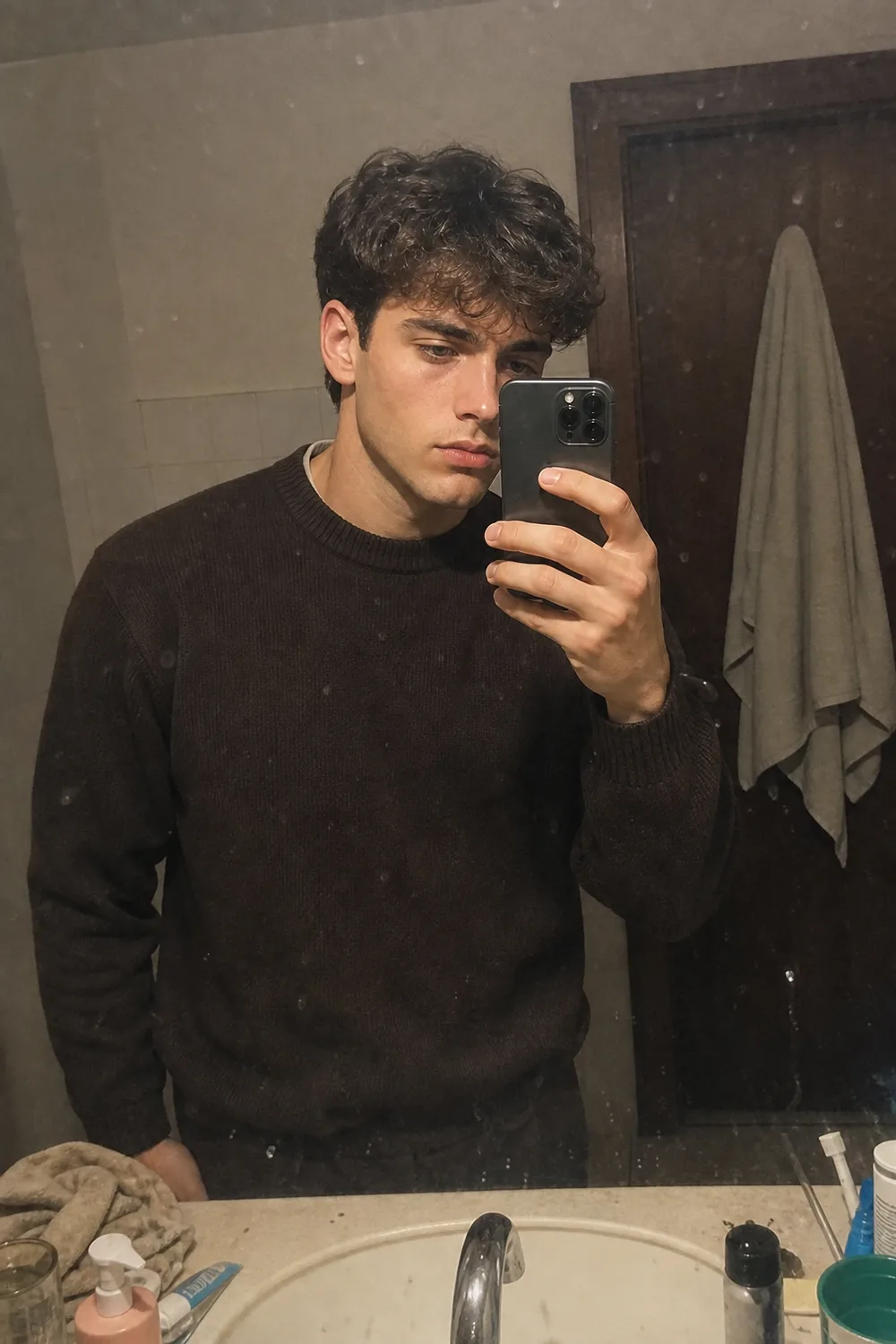 Before
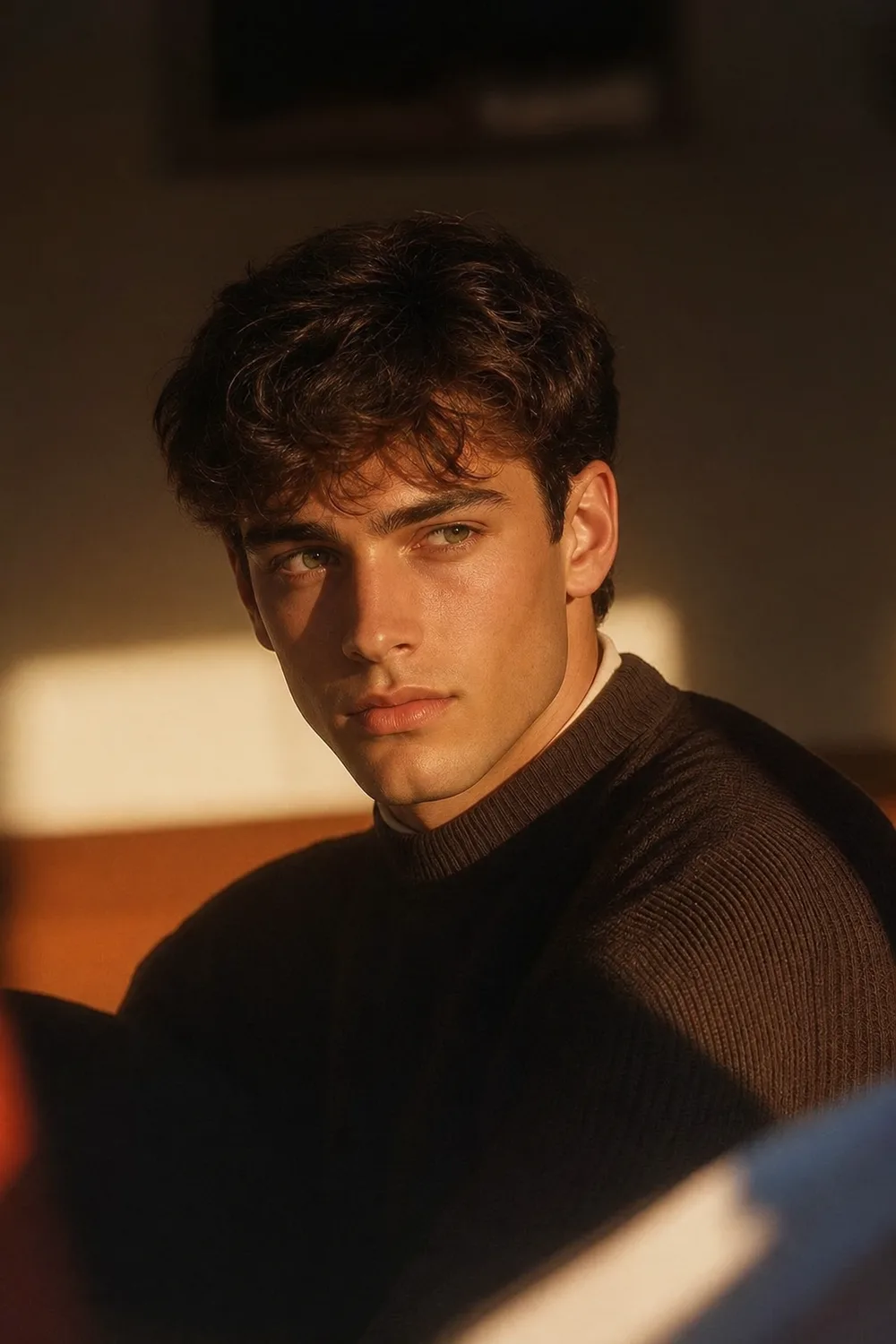 After
AfterStudio / Private by design
See yourself shot properly.
Use our AI dating photo generator to create profile pictures from four everyday selfies. Your uploads are encrypted, never used to train AI, and become inaccessible five days after upload.
Or quick sign-in from here
Why dating apps tightened verification (quick context)
Dating apps rolled out liveness checks, video selfies, and optional ID verification between 2023–2026 as AI tools made convincing fake profiles easier. Platforms cite rising romance scams and bot accounts as the main drivers for increased verification.
Modern verification systems typically compare a live video selfie or liveness recording to profile photos using biometric hashes and cross‑photo consistency checks. When images don’t match, platforms may flag or suspend accounts.
The implication is simple: misrepresenting yourself risks account removal and, more importantly, erodes trust with real people you meet.
How dating app verification works (what they actually check)
Verification systems mix automated checks and human review. Understanding the core signals helps you prepare truthful, passable photos.
Common verification elements
- Liveness videos / Face selfies: short clips that ask you to look left/right, blink, or say a phrase to prove the face is live, not a static image.
- ID verification: in some markets apps allow or require uploading government ID plus a selfie to match identity data.
- Automated image analysis: texture/artifact detection, lighting and shadow consistency, facial geometry matching, and cross‑photo similarity checks.
- Manual review: flagged profiles often go to human moderators to confirm suspicions raised by automated tools.
What these checks catch — and what they miss
They catch static photo mismatches, many fully synthetic faces, and shallow spoofing attempts. Liveness prompts are effective at preventing simple video replays or printed photos.
However, systems can still be fooled by very high‑quality synthetic video impostors or sophisticated forgery pipelines. But attempting to bypass them is unethical and against platform rules.
Ethical rule: Use AI to enhance, not replace
There’s a clear ethical line: do not impersonate others, fabricate identities, or attempt to deceive verifiers. Use AI to enhance, never to create a different person.
Acceptable edits include color correction, lighting fixes, modest skin smoothing, and realistic background cleanup. High‑risk edits—major facial geometry changes, full face replacement, or body reshaping—are likely to be flagged and damage trust.
Authenticity matters: research shows people react negatively when they feel deceived, and platforms can remove accounts for misrepresentation.
Step 1 — Capture your truth base (the single most important prep)
Your original, unedited photos and a short verification video are your ground truth. Treat them as the canonical reference for all edits.
- Take multiple real photos: include a headshot, mid‑length, full body, and 1–2 lifestyle images showing activities or context.
- Record a verification‑style video (10–15s): film a short clip with head turns, a neutral face, and a smile. Use the same phone you’ll upload from if possible.
- Lighting and framing: use daylight or soft indoor light; choose a plain background for the verification selfie so the face is clearly visible.
- Store originals securely: keep originals private and backed up. Originals are crucial if you need to appeal a moderation action.

Step 2 — Use AI for enhancement (practical editing rules)
When using AI or editing apps, follow rules that preserve identity while improving visual quality.
Safe edits
- Exposure, contrast, and color balance adjustments
- Subtle skin smoothing and natural blemish removal
- Background cleanup or replacement with realistic scenes you have actually visited
- Cropping and composition fixes to center your face
Edits to avoid
- Changing facial geometry (jawline, eye spacing, nose shape)
- Age‑reducing or youthifying beyond modest polish
- Body reshaping, adding or removing significant features
- Replacing your face or compositing parts from other people
Tool tips: choose apps that advertise "preserve identity" or natural enhancements. Export predictable JPEGs at similar resolution and aspect ratio to your originals. Always save edited copies rather than overwriting originals (e.g., IMG001_orig.jpg / IMG001_edit.jpg).
Step 3 — Metadata and file hygiene (practical, lawful prep)
Metadata and file handling can influence reviewer impressions. Be transparent and lawful.
- Keep originals: never discard or overwrite original files.
- Filename convention: tag files clearly so you can produce originals if needed.
- EXIF basics: metadata shows camera make/model, timestamp, and basic settings; many apps strip EXIF on upload but moderation systems may still analyze provenance traces.
- Do not falsify: do not alter timestamps or identity metadata to mislead—this is deceptive and could be against terms of service or local law.
- Privacy stripping: if you remove EXIF for privacy, do so intentionally and avoid changing creation dates to misrepresent recency.
Step 4 — Prepare verification video/selfie: honest prompts & setup
When the app requests a verification video, follow prompts exactly and present a truthful live view of yourself.
Recording tips
- Match lighting and background to your profile photos when possible to make human review easier.
- Sample prompts to use if recording manually: "Turn your head slowly left then right," "Blink twice and smile," "Say ‘I am here to verify my profile’ and look at the camera."
- Avoid heavy filters, sunglasses, hats, or props that obscure key features.
- If verification is optional, do it before uploading edited photos so you know how your live selfie compares to your profile images.
Step 5 — Sequencing strategy: mixing AI-enhanced and real photos
Your profile order affects both human perception and automated checks. Use sequencing to show consistent, truthful representation.
- Lead with a clear, honest real headshot — the first photo matters most.
- Include 2–3 unedited or lightly edited lifestyle photos (hobbies, travel, friends, pets).
- Place 1–2 AI‑enhanced photos later in the gallery; ensure they resemble your verified look and don’t contradict earlier shots.
- Keep at least 2–3 photos that match how you look in person; update when you change hair, facial hair, or other major features.

Step 6 — Scripted disclosure to preserve trust (copy you can use)
Voluntary disclosure signals honesty and reduces awkwardness when you meet matches in real life.
Short disclosure lines for your bio
- Casual: “Lightly edited photos — originals available on request.”
- Direct: “Photos adjusted for lighting/color — all me.”
- Playful: “Filtered for good lighting, not for identity theft :)”
Sample chat responses if a match asks
- “Thanks for asking — I used some color and lighting edits, but those pics are me in real life.”
- “I retouched a couple of photos for brightness. I can send an unedited pic if you want.”
- “I prefer honest profiles — I’ll share a live selfie to prove it’s me.”
Disclosure is optional for minor tweaks but advisable if an image is noticeably altered. It’s a simple way to preserve trust and reduce suspicion.
Quick pre-upload tests and checklist
Run these fast checks before hitting upload to catch obvious mismatches or artifacts.
- Visual consistency check: compare edited photos side‑by‑side with originals and your verification selfie.
- Artifact scan: zoom to 100% and look for hair halos, jagged edges, inconsistent shadows, or warped jewelry/teeth.
- Reverse image search: use Google Images or TinEye to ensure no stock or composite elements appear in your photos.
- Peer test: show images to 2–3 trusted friends and ask if the photos represent how you look in person.
- Verification match test: if possible, run the app’s verification now and confirm the selfie matches your edited photos; if flagged, revert to unedited images.
- Optional metadata check: open EXIF with a free tool to confirm creation dates and camera info — don’t falsify anything.
Alternatives & what to choose for your first photo
Weigh AI‑enhanced photos against professional and DIY smartphone options.
- AI‑enhanced: cheaper than a studio, customizable; risk of seeming inauthentic if overdone.
- Professional photos: high authenticity and composition; cost and time are the main downsides.
- Smartphone DIY: most authentic and low cost if you control lighting and composition.
Recommendation: use a real, clear headshot for your first photo. AI can supplement later shots or provide tasteful variations, but your primary image should be an honest representation.
What to do if verification flags your account
If a platform flags your profile, act quickly and transparently to resolve it.
- Review your profile photos and revert to unedited originals where necessary.
- Retake a verification selfie/video under plain lighting and submit it as requested.
- Contact support and be ready to provide originals and timestamps as evidence.
- Appeal with clear documentation: show the original files and explain any edits you made honestly.
Prevention beats cure: avoiding heavy edits and following sequencing/disclosure guidance reduces the chance of flags.
Quick checklist summary (printer-friendly recap)
- Truth base: capture multiple originals + a verification video.
- Safe edits: color, light, subtle retouching only.
- Metadata hygiene: keep originals, don’t falsify EXIF.
- Verification video: follow prompts and match lighting.
- Sequencing: lead with real headshot, then lifestyle, then enhanced pics.
- Disclosure: short line in bio or chat as needed.
- Pre‑upload tests: visual, artifact, reverse‑image, peer check.
Save or print this checklist for quick reference before updating your profile.
Further reading & sources
Stay informed: verification tech and policy evolve rapidly. Check app help pages and recent coverage for updates.
- Wired — reporting on Tinder Face Check and verification rollouts
- The Verge — Bumble/Hinge verification features and ID checks
- Academic studies on perception of AI images (JCMC, International Journal of HCI)
- Security reports (e.g., McAfee) on fake profile prevalence and scams
FAQ
Short answers to common concerns.
Should I use AI headshots for dating?
Use AI for small enhancements but avoid full synthetic faces. Authenticity is more effective for real connections.
How many photos should I have?
Aim for 4–6 photos: a clear headshot, mid‑length, full body, and 1–2 lifestyle images. Keep some unedited.
Will verification detect AI edits?
Verification matches live selfies to profile photos. Heavy biometric edits or synthetic faces increase the chance of detection; minor edits usually pass if the person still looks like the verified selfie.
Conclusion
AI tools can improve how you look in photos, but the safest, most ethical approach is to enhance—not replace—your real images. Capture a strong truth base, apply conservative enhancements, keep originals and clean metadata, prepare honest verification videos, order your gallery to lead with real photos, and use short disclosures to build trust.
Follow the steps and quick tests above to keep your dating profile attractive and platform‑compliant while protecting your reputation and safety.
Questions, answered.
01Are AI dating photos allowed on Tinder, Bumble, or Hinge?+
Short answer: light AI enhancements are usually tolerated but fully synthetic or materially deceptive images risk removal and violate platform expectations. Each app’s terms and community guidelines differ, but major platforms prioritize authenticity and use verification tools to detect impostors; keep at least several recent, unedited photos and avoid replacing your face or drastically changing biometric features to stay compliant and trustworthy.
02Will a verification video detect AI-enhanced photos?+
Yes — verification videos and live selfie checks are designed to match a real person’s facial features to profile photos, so if AI edits materially change your appearance the system or human reviewers can flag a mismatch. Provide an honest live selfie/video in similar lighting and avoid heavy biometric edits; small color or lighting tweaks are less likely to trigger a mismatch than geometry or identity changes.
03How many real/unedited photos should I keep on my profile?+
Keep at least 2–4 recent, unedited photos that clearly show your face and body so they match a verification selfie and your in-person appearance. Lead with a truthful headshot, add 1–2 lifestyle shots (hobbies, travel) and retain originals offline; this mix reduces perception of deception and lowers the chance of moderation flags from mismatched or synthetic images.
04What are quick signs that an AI edit looks 'off'?+
Common red flags include inconsistent eye spacing or asymmetry, unnatural skin texture or repeated patterns, strange hair edges or halos, odd jewelry/teeth artifacts, and mismatched shadows or lighting. Zoom to 100%, compare edits against an original selfie, run a reverse image search, or get a friend’s honest take—these checks catch subtle artifacts that make images seem inauthentic to users and moderation tools.
05If my verification is flagged, what steps can I take to resolve it?+
If flagged, respond honestly: follow the app’s instructions, submit the requested live selfie or ID if required, and explain any legitimate edits you made. Restore unedited originals as your profile photos if needed, provide supplementary images showing the same look, and contact support with timestamps and proof of identity; avoid attempting to bypass verification, which can lead to permanent suspension.

Author / reviewed profile
Emma Blake
Emma Blake is a dating coach and portrait photographer with 8+ years of experience helping singles improve their online dating profiles. She has worked with over 2,000 clients and her advice has been featured in Cosmopolitan, Elite Daily, and The Dating Insider. Emma holds a B.A. in Psychology from NYU.