
One Shoot, Dozens of Dating Photos: AI Outfit Variations
Learn how to shoot once and use AI to create dozens of believable outfit and scene variations for dating profiles. Includes shot list, prompt templates, and an authenticity checklist.

Introduction
Yes — you can get dozens of believable dating photos from a single short shoot using AI outfit variations for dating photos. Take a 20–30 minute mini-shoot that captures 6–10 consistent base images, then use photorealistic image-to-image and inpainting tools to create outfit and scene variants while preserving facial, hair, and accessory continuity to stay authentic and believable.
This guide gives exact shots to take, copy/paste prompt templates, a step-by-step AI workflow, an authenticity checklist, a 6-photo profile plan, and vendor-testing tips so your profile stays fresh without looking fake.
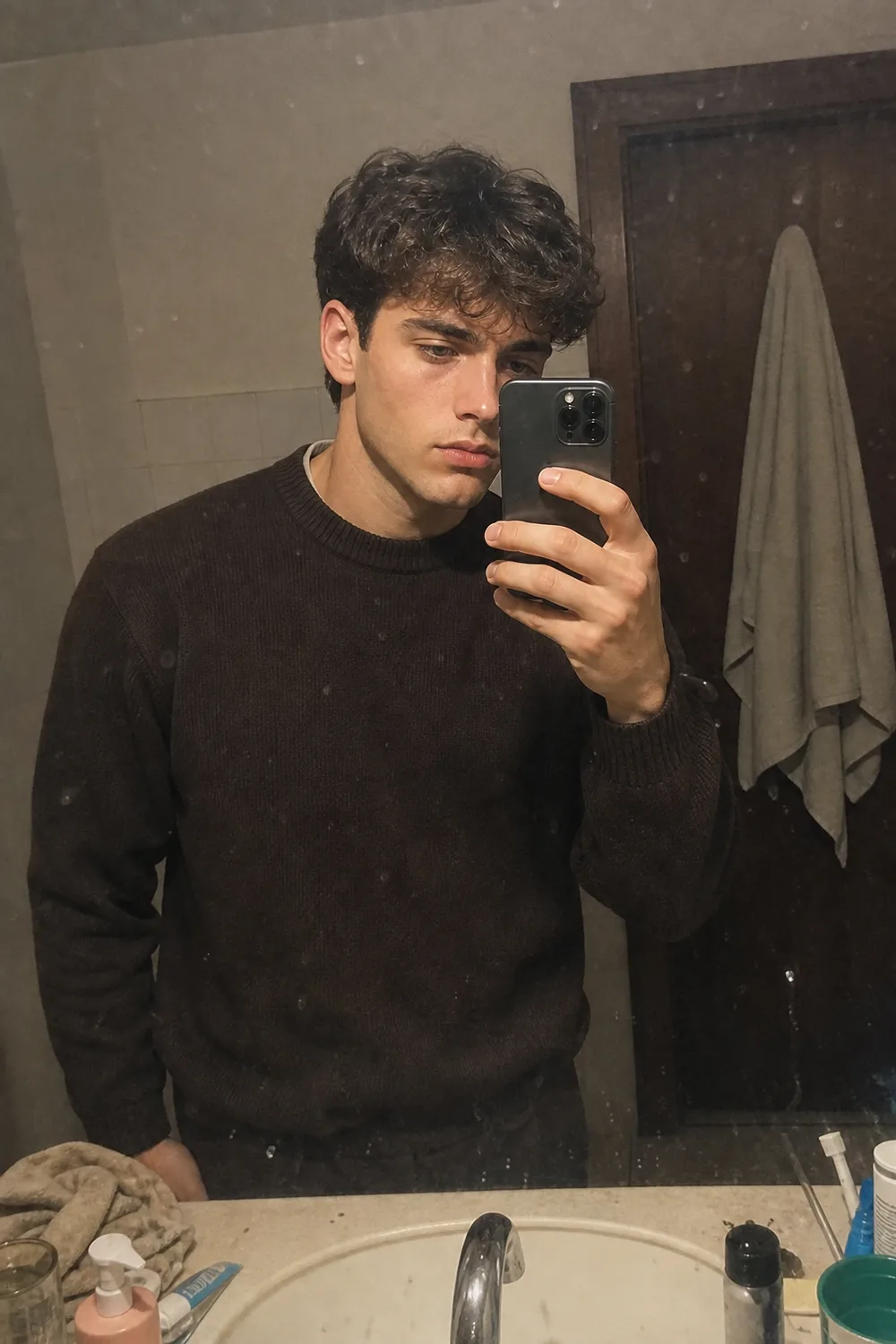 Before
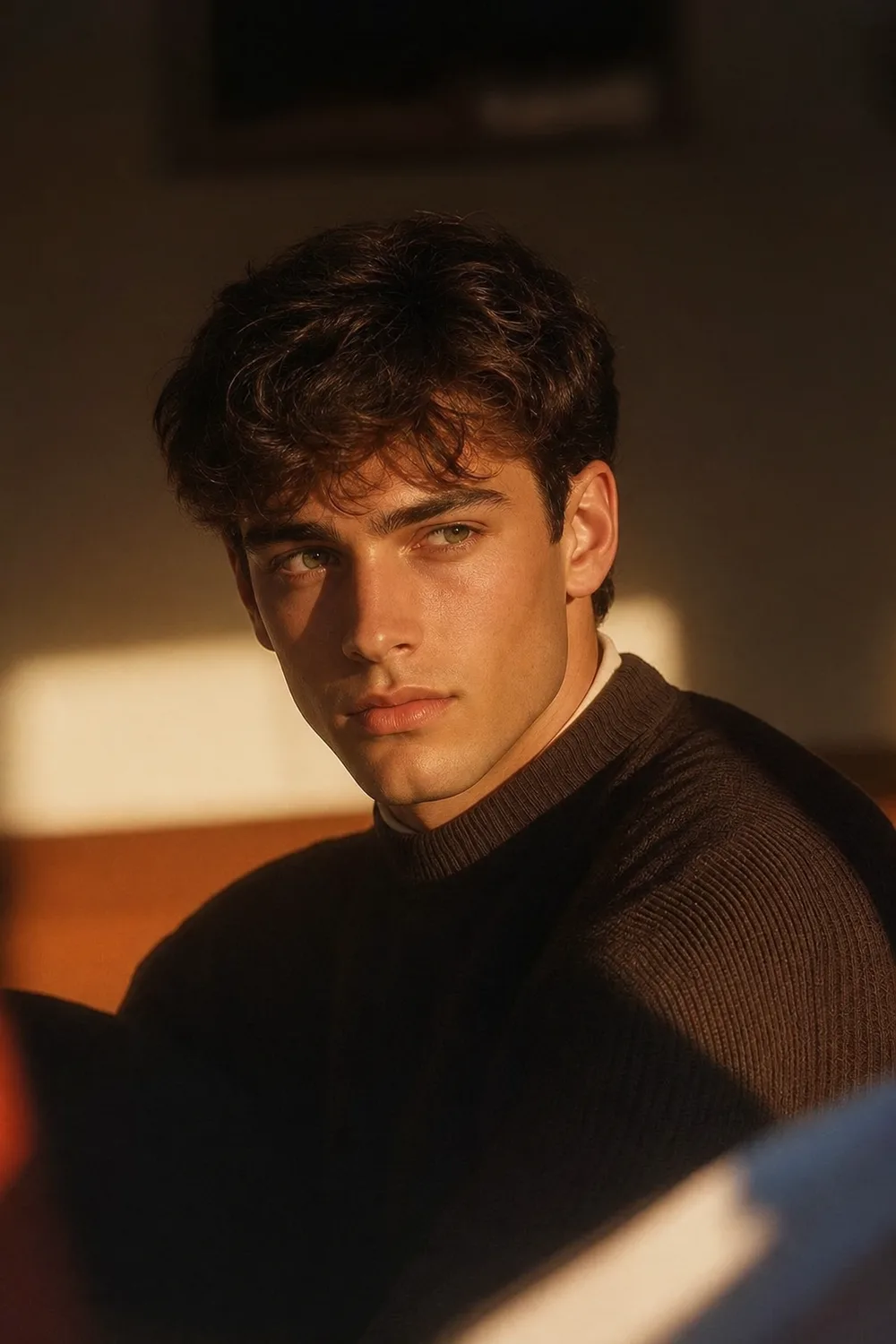 After
AfterStudio / Private by design
See yourself shot properly.
Use our AI dating photo generator to create profile pictures from four everyday selfies. Your uploads are encrypted, never used to train AI, and become inaccessible five days after upload.
Or quick sign-in from here
Why outfit variety matters — and how AI fits in
Dating profiles perform best when they tell a short, consistent story: clear face shots, full-body context, hobby/action photos, and a dress-up image. Variety helps show lifestyle and increases match rates, while continuity builds trust when people meet in person.
Recent surveys show roughly 68–70% of users welcome AI help optimizing photos, which is why apps and vendors are building tools. But platforms are also adding verification and reporting to discourage deceptive imagery, so the best approach is an “enhanced real” workflow: use AI to improve and vary reality, not replace it.
Quick platform note: Tinder, Bumble, and Hinge are rolling out AI-assisted selection and verification features. Check each app’s current policy before uploading clearly synthetic images.
Quick ethics and app-policy checklist
Short answer on permissibility: apps differ and policies change. Before you upload AI-generated photos, verify the current rules for the platform you use.
- Risk of reporting: overly synthetic faces or drastic changes can be flagged by users and moderation systems.
- Rule of thumb: don’t alter core facial features; keep at least one real, recent unedited photo or verification badge on your profile.
- Transparency matters: if a photo is heavily edited, you risk lower match quality and date-show rates because people expect consistency.
Mini-shoot plan: equipment, timing, and exact shots to take
Goal: capture 6–10 base photos in one 20–30 minute session using a smartphone and natural window light. These images will be your AI inputs for outfit and scene variations.
Equipment checklist
- Recent smartphone (iPhone or modern Android) with good camera.
- Tripod or stable stack of books + remote shutter or timer.
- Clean, neutral backdrop or small set (wall, couch, park bench).
- Simple props that match your hobbies (guitar, coffee cup, dog leash).
- Optional: reflector (white board) to soften shadows.
Exact shots to take (label each file)
- head_A — Tight headshot (face + neck). Soft natural light, neutral expression or gentle smile. Important as trust anchor.
- head_B — Smiling close (shoulders visible). Include one visible accessory (watch/necklace) for continuity.
- 3q_A — Three-quarter portrait (chest-up). One hand visible, relaxed pose.
- full_A — Full-body standing shot. Natural posture, shoes visible, simple background.
- hobby_A — Activity/hobby shot (cooking, guitar, dog, coffee). Aim for candid motion.
- date_A — Dress-up/date-ready shot (blazer/dress or your going-out look).
- env_A — Lifestyle/environment shot outdoors or in a cozy setting showing context.
- candid_A — Laughing or looking away; imperfect but authentic.
On-set practical tips
- Keep hair, primary accessories, and facial grooming consistent across shots (same part, same glasses or none).
- Turn on camera metadata/timestamps and keep original files; record filenames immediately.
- Take quick micro-variants (with/without jacket, slight prop swaps) to help AI learn plausible differences.
- Favor natural window light and avoid heavy filters or over-retouching in-camera.

AI workflow: pick tools and plan controlled variations
Choose tools that support image-to-image and inpainting with photorealism. Prioritize vendors that show consistent face fidelity in examples and let you mask or lock facial regions.
Picking base images and batching
Select 3–6 best base images (pick head_A, 3q_A, full_A, hobby_A, date_A). Batch them by variation type so you can reuse prompts and compare results systematically.
Types of variations to create
- Outfit swaps: casual → smart casual → jacket/dress.
- Scene swaps: move subject from living room to cafe or park with matching light.
- Lighting/color grades: golden-hour warmth, cooler overcast, modest contrast boosts.
- Prop add-ons: sunglasses, scarf, coffee cup — keep shadows and reflections realistic.
- Minor retouch: remove temporary blemishes, even skin tone while preserving texture.
File naming, prompts log, and provenance
- Name files clearly: original_head_A.jpg → ai_outfitA_full_A_v1.jpg.
- Keep a prompts log with the exact prompt, tool used, and date generated.
- Keep originals and export AI outputs at full resolution; store a short provenance note for each image (which base, what changes).
Exact prompt templates you can copy-paste
Structure prompts to reference the base filename, emphasize photorealism, and lock continuity cues (hair, accessory). Below are five adaptable templates—trim or expand depending on token limits and tool style.
1) Full-body outfit swap (copy/paste)
Photorealistic outfit swap of the person in [base image filename]. Keep the person’s face, hair length, skin tone, and necklace unchanged. Change clothing to a navy blazer, white tee, and dark jeans. Preserve original lighting, depth-of-field, and background bokeh. Make image look natural and camera-photo quality.
2) Casual → date-ready (headshot/3/4)
Create a photorealistic date-ready variation of [base image filename]. Keep hair, facial features, and necklace the same. Replace top with a charcoal button-down and add subtle lip tint if applicable. Maintain natural window lighting, soft shadows, and realistic skin texture. Match camera perspective and focal length.
3) Scene/environment swap
Place the subject from [base image filename] into a cozy cafe scene with warm golden-hour window light. Preserve subject proportions, facial features, and visible accessories (watch and necklace). Keep depth-of-field and natural shadows consistent; photorealistic, no painterly effects or heavy stylization.
4) Prop add-on (sunglasses / hat)
Add sunglasses (classic wayfarer) to the subject in [base image filename], preserving facial features, hair, and earrings. Ensure glasses cast realistic shadows and reflections; use photorealistic rendering and match original lighting and camera angle.
5) Minor natural retouch / color grading
Minor natural retouch of [base image filename]: even skin tone, remove temporary blemish near left cheek, preserve natural skin texture, enhance warmth by +5%, and maintain a true-to-life look. No smoothing beyond realistic pores; no change to face shape.
Tool adaptation tips: for short-prompt tools, condense key constraints ("photorealistic; preserve face/hair/accessory; match lighting; outfit: navy blazer"). For long-form tools, add camera focal length and material details (fabric texture, realistic shadowing).

Authenticity checklist: continuity cues that preserve trust
Use this checklist before uploading to keep profiles believable and reduce reporting risk.
Must-have continuity checks
- Face fidelity: never alter core facial structure—eyes, nose, mouth spacing, jawline.
- Hair continuity: keep length, color, and parting consistent across variations.
- One consistent accessory: keep a watch, necklace, or ring visible in multiple photos as a continuity cue.
- Marks & tattoos: maintain visible moles, scars, or tattoos; if you obscure them, make sure captions explain it plausibly.
- Metadata & timestamps: archive originals with capture dates; use plausible captions like “Hike — July 2025.”
- Photo ordering & narrative: lead with a trust-anchor headshot (unaltered or minimally enhanced) then mix AI variations to show outfits and activities.
- Hard NOs: no body reshaping, no face replacements, avoid extreme stylization or filters.
Example 6-photo profile plan using AI variations
Balanced 6-photo set that blends original and AI-enhanced images for variety and credibility.
- Photo 1 — Trust anchor headshot: original head_A or minimally enhanced (clear face, neutral background).
- Photo 2 — Casual three-quarter: AI variant from 3q_A with a different top.
- Photo 3 — Full-body smart casual: AI outfit swap from full_A (navy blazer or tidy jacket).
- Photo 4 — Hobby candid: original hobby_A or a lightly cleaned AI version to improve framing.
- Photo 5 — Date-ready: AI variant of date_A in a dress-up outfit.
- Photo 6 — Lifestyle/environment: AI scene swap from env_A (park or cafe) to show context/travel vibe.
Caption tips: match captions to photos and include small context cues ("Sunday hikes — July 2025", "Learning jazz guitar"). This reduces cognitive dissonance when matches meet you.
How to test AI tools for realism — vendor checklist
Before committing, run a quick test protocol to compare outputs and ensure face fidelity across variations.
What to test
- Face fidelity across 3 generated variations from the same base image.
- Photorealism: pore detail, skin texture, and realistic reflections (sunglasses, metal).
- Inpainting accuracy: outfit edges, shadows, and how the tool handles occlusions like a hand over clothing.
- Aspect ratio and export sizes that match app requirements (1:1, 4:5, etc.).
- Metadata handling and whether the tool preserves or strips EXIF data.
Simple A/B test process
- Generate 3 variations for 2 base photos (6 outputs).
- Compare side-by-side against originals for facial consistency and lighting match.
- Run a quick human test: show to a friend or use the app verification flow—ask whether images look like the same person.
- Assess pricing for small batches; prioritize tools with transparent per-image pricing.
Common mistakes and quick troubleshooting
Frequent pitfalls and how to fix them quickly.
Common mistakes
- Using fully synthetic faces or heavy body reshaping — this breaks trust and risks being reported.
- Inconsistent props, lighting, or hair across photos that make the set look disjointed.
- Uploading only AI images with no recent real photo or verification badge.
- Over-filtering and extreme stylization that hides real texture.
Quick fixes
- Rerun generation with stronger continuity cues: explicitly say “preserve face, hair, necklace.”
- Mask the facial region in the tool to force the AI to leave the face untouched.
- Choose a different base photo if the original lacks detail or has extreme lighting.
- If AI consistently fails, bring in a photographer or a human retoucher for a small paid session.
Final tips: rotating photos, measuring impact, and staying compliant
Rotate images every 4–8 weeks to keep your profile fresh and monitor match metrics to see what works.
- Track metrics: swipe-to-match rate, message rate, and date-show rate. Small sample sizes require qualitative feedback.
- A/B test two profile sets (original-heavy vs AI-enhanced) for a 2–4 week window and compare engagement.
- Keep at least one recent, unedited photo for verification and be ready to explain edits if asked.
- Watch app policy updates; platforms are increasingly adding AI reporting and verification tools.
Conclusion
With a short, consistent mini-shoot and careful AI image-to-image work, you can create dozens of believable outfit and scene variations that keep your dating profile fresh without sacrificing trust. Prioritize face fidelity, hair and accessory continuity, and one clear, real headshot as your trust anchor.
Want the printable mini-shoot checklist, a one-click prompt pack, or vendor test results for three tools? Reply with which follow-up you want and I’ll prepare it.
Questions, answered.
01Are AI-generated dating photos allowed on Tinder, Bumble, and Hinge?+
Short answer: it depends — apps generally allow AI-enhanced photos but are adding reporting and verification to discourage deceptive or obviously synthetic images. Check each app’s current policy before uploading; keep at least one minimally edited, recent real photo or use app verification to avoid flags. Subtle outfit swaps and lighting fixes that preserve your face and distinctive features are less likely to trigger removal or user complaints compared with fully synthetic faces.
02Will AI outfit variations actually increase matches?+
Yes, AI outfit variations can increase engagement by improving composition, lighting, and perceived variety, but only when they remain authentic to your real appearance. Studies show users welcome AI help for optimization, yet deceptive edits reduce trust and real-world date success. Use AI to produce plausible wardrobe options while keeping a clear, unedited headshot as your trust anchor to maximize match and date-show rates.
03Which AI tools are best for photorealistic outfit swaps and inpainting?+
Choose tools that emphasize photorealism, face-fidelity, and inpainting control—vendor types include dating-photo specialists, high-quality image models with image-to-image or inpainting, and hybrid retouch services. Test candidates for consistent facial details, realistic skin texture, and preserved accessories; recent roundups (2025–2026) and user reviews help pick winners and verify outputs pass casual face-verification checks.
04How can I make AI-generated photos look believable and not deceptive?+
Start with high-quality base photos and preserve core facial structure, hair, and distinctive marks across variations; keep at least one consistent accessory for continuity. Use subtle edits (outfit swap, scene lighting, minor retouching) rather than face or body reshaping, retain metadata if possible, lead with an unaltered headshot, and be prepared to verify your identity in-app or at first contact to avoid trust issues.
05How many base photos do I need for good AI variation results?+
Aim for 6–10 base shots from a short mini-shoot: a clean headshot, a three-quarter, a full-body, a hobby candid, a dress-up/date-ready, and an environment shot. Select 3–6 of the best images as AI inputs and generate controlled variations; more diverse base angles and expressions improve photorealistic consistency across outfit and scene swaps.

Author / reviewed profile
Emma Blake
Emma Blake is a dating coach and portrait photographer with 8+ years of experience helping singles improve their online dating profiles. She has worked with over 2,000 clients and her advice has been featured in Cosmopolitan, Elite Daily, and The Dating Insider. Emma holds a B.A. in Psychology from NYU.