
Honest AI Dating Photos: Disclosure & Photo Sequence
Use AI for better dating photos—without lying. This ethics-first guide gives copy-paste disclosures, exact photo order templates, provenance tips, and responses to preserve trust.

Quick answer: Yes — you can use AI dating photos ethically. Keep your primary photo real, limit AI to subtle enhancements or a single accent image, disclose clearly in your bio or caption, and preserve provenance (original files or a short verification video) so matches can verify you. This approach protects trust and reduces platform risk.
This guide is a concise, ethics-first playbook: platform context and risks, exact 4–6 photo sequence templates, copy-paste disclosure lines, metadata/provenance steps, and ready-made conversation scripts to use when matches ask.
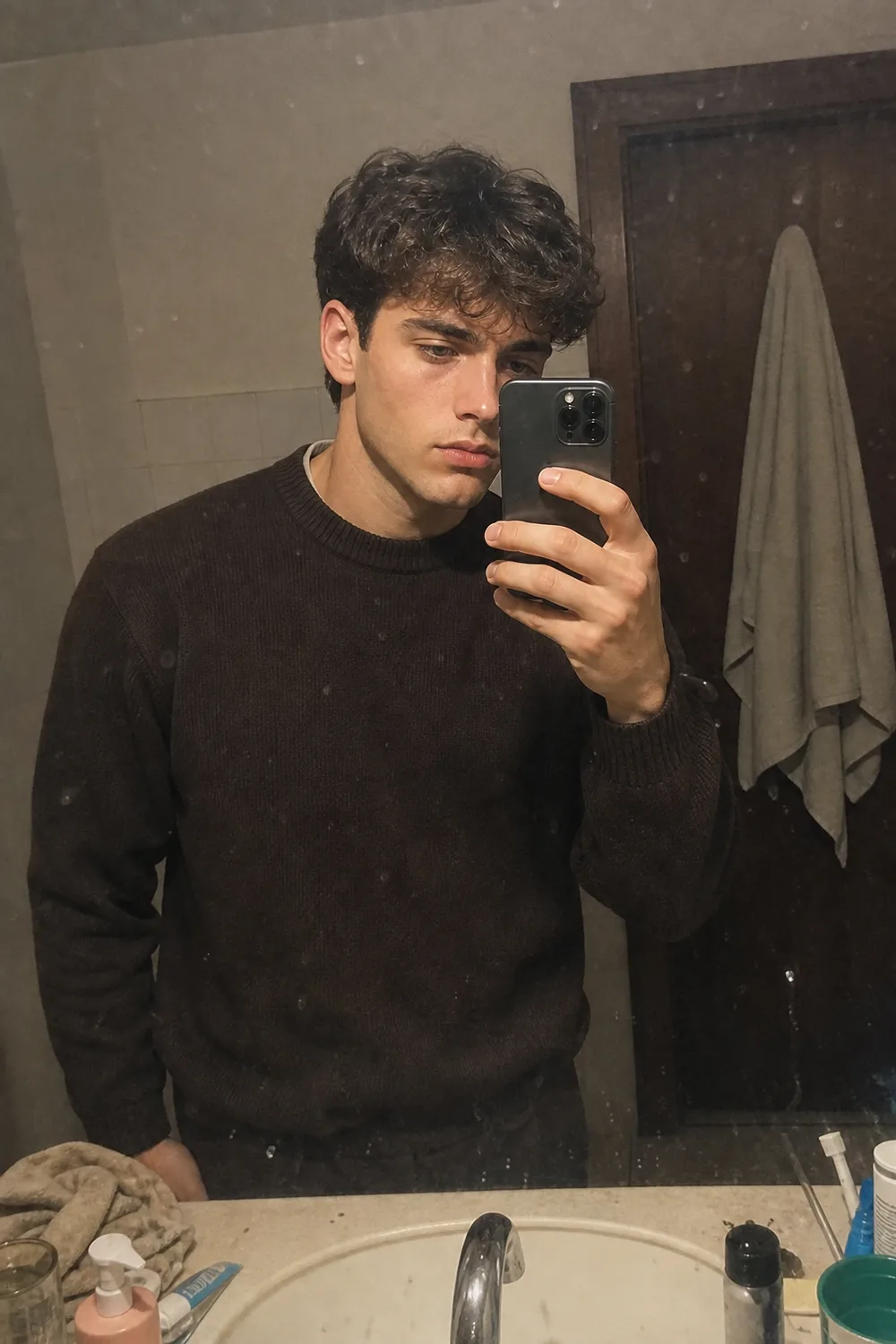 Before
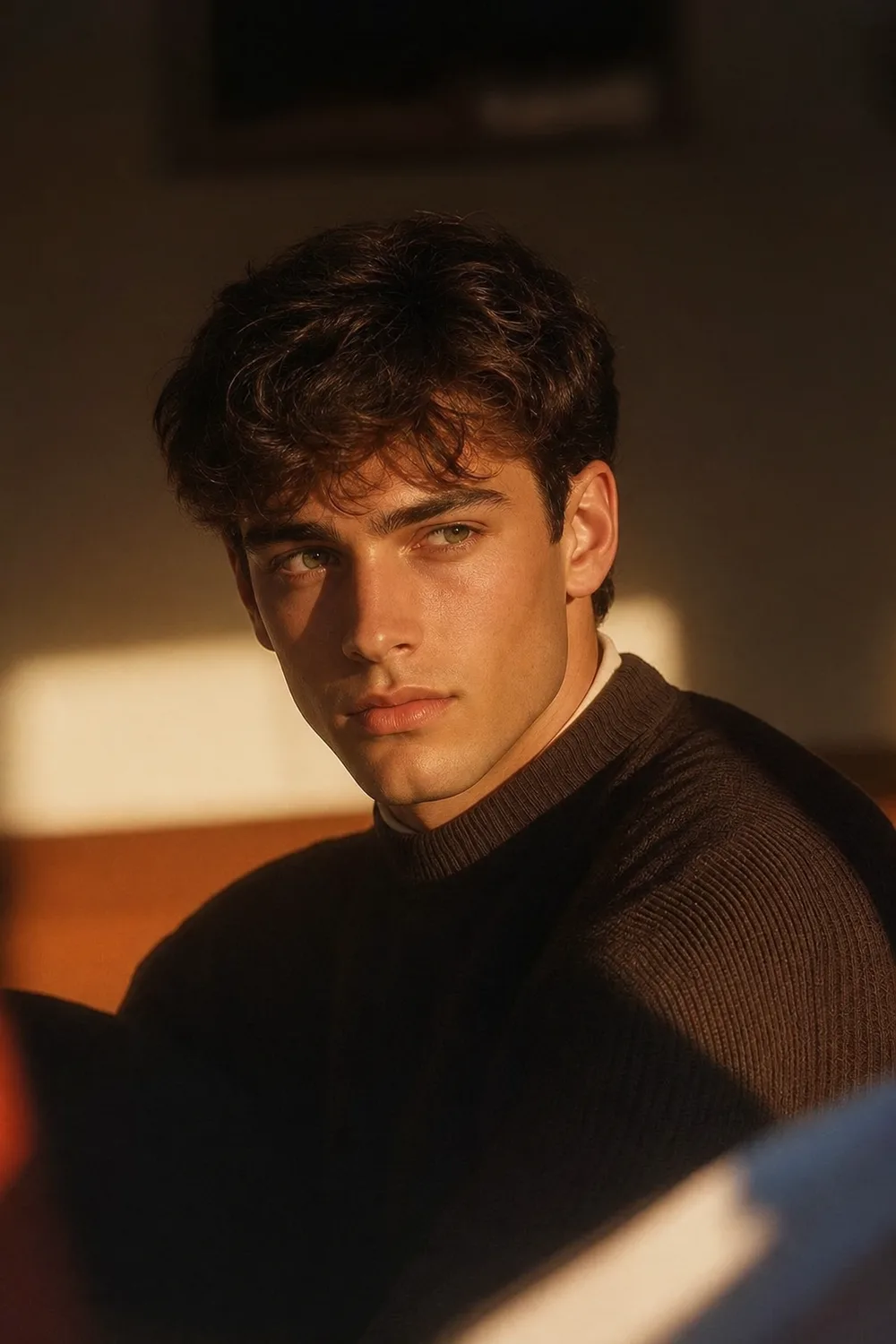 After
AfterStudio / Private by design
See yourself shot properly.
Use our AI dating photo generator to create profile pictures from four everyday selfies. Your uploads are encrypted, never used to train AI, and become inaccessible five days after upload.
Or quick sign-in from here
AI avatar and portrait tools exploded in popularity after late 2022 and remain widely used for polished portraits and aesthetic edits. That surge pushed consumer demand for “better” profile photos, but it also drew platform attention.
Major dating apps (Tinder, Bumble, Hinge and Match Group brands) are tightening authenticity checks: facial/video verification and stricter moderation are increasingly common. Platforms emphasize photos that reflect your authentic appearance and have tools to flag misleading images.
Research and industry signals show a pattern: profiles that are AI-primary or heavily synthetic can attract initial swipes but often underperform on replies, video-call conversion, and in-person dates. Aggregated analyses from 2024–2025 report ranges of reduced downstream engagement (broadly reported as lower replies and date conversions versus profiles with real photos).
There are safety and bias concerns too. Reporting has shown AI portrait apps can produce problematic outputs and that detection/moderation systems sometimes misfire, disproportionately affecting certain users. Taken together, the trend is clear: cosmetics help first impressions, but authenticity drives conversations and real-world meets.
Follow five rules-of-thumb before you use AI for dating photos:
- Primary real photo: Your main profile image should be a real, recent head-and-shoulders shot.
- Subtle enhancement only: Use AI for light lighting, background cleanup, and color correction—not body reshaping, age shifts, or ethnicity changes.
- Limit AI share: Keep AI images to ≤1 of 4–6 photos (roughly ≤30%).
- Disclose: Say clearly and briefly if a photo was AI-generated or enhanced.
- Keep provenance: Save originals, and hold a short verification video or fresh selfie you can share.
Why verifiability and visual continuity matter: people notice mismatched hair, facial hair, or proportions and those micro-inconsistencies erode trust. Psychology research and platform data repeatedly show that authenticity beats perfection for conversion to messages, calls, and dates.
One final caveat: detection and policy frameworks change quickly. Always check a platform’s live help pages before uploading AI images.

Sequence matters: the first photo drives most swipe decisions and should be your most trustworthy image. Use 4–6 photos on most platforms; that balance gives context without overwhelming viewers.
Recommended gallery sizes and reasoning:
- 4 images: lean, high-impact—good for busy professionals who want clarity.
- 5 images: sweet spot for variety and trust—shows face, body, hobby and social context.
- 6 images: best for active/creative profiles that tell a visual story.
- Primary: Close-up head-and-shoulders, natural smile (real). — critical for trust.
- Secondary: Full-body shot (standing/walking) — real; shows proportions.
- Lifestyle: Hobby or action shot (guitar, cooking, hiking) — real or subtly enhanced.
- Social: Photo with friends (crop or blur others for privacy) — real.
- Fun/creative: One stylized AI-enhanced portrait or tasteful avatar — optional, last slot.
- Primary: Well-lit headshot in casual clothes (real or professional photographer).
- Secondary: Casual full-body shot (real).
- Lifestyle: Quick candid (coffee, commute, hobby) — real or mild enhancement.
- AI Accent: One polished AI portrait to show “best lighting” (optional).
- Primary: Real headshot (smile).
- Travel/action shot (real).
- Hobby/action shot (real).
- Full-body shot (real).
- Social/friend shot (real).
- AI-enhanced: One stylized portrait (optional, last slot).
Placement rule: keep any AI-enhanced or stylized image last or near-last. That anchors viewers on authentic photos first and places embellishment in context.
Disclosure reduces perceived deception and increases willingness to verify and meet. Keep your disclosure short, positive, and place it where people will see it—bio or the caption of the AI image.
Five quick lines you can paste:
- “PSA: 1 of my pics is AI-enhanced — I’m the real person behind it :)”
- “One portrait here was generated with an AI tool — honest & recent IRL pics above.”
- “Yes I used an AI portrait — still me. Ask for an unedited selfie :)”
- “Avatar made with AI for fun — real photos are the first 4.”
- “I use AI for a stylized pic (last one) — ask for a quick selfie or FaceTime to verify.”
Where to place disclosures:
- Bio: short and visible; ideal if you use AI in any of your images.
- Caption: put it under the specific AI image so context is clear.
Tone tip: avoid defensive language. Be concise and confident—your goal is to reduce friction and invite quick verification.
Keep originals. Save raw camera files or uncompressed exports in a private folder or cloud backup. Originals are the easiest proof when a match asks for verification or if a platform flags an image.
Short verification video/selfie specs:
- Length: 5–10 seconds.
- Lighting: even natural light, avoid heavy filters.
- Action: say your name and turn head slightly — simple gestures show liveness.
EXIF and timestamps: many apps strip EXIF on upload, but keep EXIF locally. If you share proof, strip GPS/location data if privacy is a concern.
Edit history and reversible exports: prefer tools that preserve the original or allow an export that includes both before-and-after. Avoid apps that overwrite originals without giving a copy.
Optional steps:
- Watermarking: use subtle watermarks on AI-generated images when you want explicit disclosure.
- Machine-readable provenance: where available, use tools that embed metadata flags indicating AI generation.

Short, direct replies move the conversation to verification and avoid debates. Offer to send a fresh selfie, swap social links, or do a quick video call.
Scripts- Casual disclosure: “Yep—I used an AI portrait for my last pic — it’s stylized. All other pics are real and recent. Want a quick selfie?”
- Light enhancement reply: “That one was lightly enhanced (lighting/background). Happy to send an unedited pic or hop on a quick video.”
- Defensive/concerned asker: “Totally get why you ask—honest answer: I used an AI app for that portrait. If you want, we can swap Instagram or do a quick five-second selfie/video.”
Handling pushback: don’t argue about tools. Offer a verification step (selfie/IG/video). If someone accuses you of dishonesty, respond calmly and provide proof or move on—the goal is to preserve momentum with interested matches.
Pros and cons:
- Professional photos: Highest trust and conversion. Expensive but often worth it for serious daters.
- AI-enhanced photos: Low cost, high polish if used carefully; higher risk if overused or inconsistent.
- DIY home shots: Cheapest and authentic—great lighting and framing often beat overdone AI edits.
When a professional shoot is worth it: if you prioritize high match-to-date conversion, want a consistent personal brand, or plan many first dates, invest in a photographer. Otherwise, a mixed-gallery strategy (mostly real, one AI accent) is a safer middle ground.
Quick checklist for choice:
- Budget and goals: prioritize conversion vs. budget.
- Time: can you schedule a shoot or prefer quick edits?
- Comfort with disclosure: if you’ll openly disclose, AI is more viable.
Run conservative A/B tests over fixed windows. Swap one photo at a time and track metrics for each variant.
Key metrics to track:
- Swipe rate / profile views
- Match rate
- Reply rate (first message responses)
- Video-call conversion
- Date conversion (meet-ups)
Practical tracking sheet fields:
- Variant name (A or B)
- Photo swapped (which slot)
- Time window (e.g., 2 weeks)
- Swipes, matches, replies, calls, dates
- Notes (weather, holidays, boosted profile runs)
Test length recommendation: 2–4 weeks per variant to gather enough interactions. Interpret results conservatively: prioritize downstream metrics (replies, calls, dates) over raw swipes.
Copy-ready checklist before you hit upload:
- Primary real headshot: close-up, smiling, recent.
- Store originals and unedited files in a private backup.
- Use at most one AI accent image in a 4–6 photo set.
- Add a disclosure line in bio or the AI image caption.
- Keep a 5–10 second verification video/selfie ready.
- Ensure hair, facial hair, and age continuity across photos.
If an app flags your photo:
- Re-upload a verified real photo as your primary.
- Contact platform support and provide a verification selfie/video if requested.
- Remove heavily edited images until you confirm policy wording.
Suggested resources: Wired, Time, and each app’s current help pages for verification and community guidelines.
Platform policies and detection tools evolve quickly. What’s acceptable today may change in months—check live help pages before major profile changes.
Evidence is heterogeneous: studies vary in methods, so report ranges rather than single numbers. Detection systems can also produce false positives, sometimes affecting marginalized users more often.
Final ethics reminder: prioritize real human connection over pixel-perfect edits. Use AI to enhance, not to replace, verifiable identity. Transparency and visual continuity preserve trust—and trust is the currency of dating apps.
Conclusion
AI can improve your dating photos when used ethically: keep your first photo real, limit AI to subtle or last-slot accents, disclose concisely, and save provenance for verification. This approach minimizes platform risk, preserves trust, and increases the chance that matches turn into real conversations and dates.
If you want, I can create a downloadable 5-photo template and disclosure pack or a tracking spreadsheet for A/B testing your profile—tell me which and I’ll prepare it.
Questions, answered.
01Can I use AI-enhanced photos on Tinder, Bumble, or Hinge without getting banned?+
Yes, you can usually use lightly AI-enhanced photos, but heavy or obviously synthetic images that materially misrepresent your appearance risk removal or verification demands. Platforms emphasize authentic appearance and are rolling out stricter face-check and moderation tools, so prefer subtle edits (lighting, color, minor retouch) and check each app’s current policies before uploading.
02How many AI-generated or AI-enhanced photos are safe to include in a 4–6 photo gallery?+
Aim for at most one AI-generated or heavily synthetic image in a 4–6 photo set (roughly ≤30%). Research and platform guidance recommend a primary real headshot and mostly real photos to preserve trust and downstream reply/conversion rates; place any AI accent image later in the sequence so viewers anchor on authentic photos first.
03What exact disclosure should I put in my bio if one pic is AI-generated?+
Be brief and transparent, for example: “One portrait here was generated with AI — the other photos are recent and real.” Short, confident lines like this build trust, invite verification, and follow ethics-first advice; you can also say “ask for an unedited selfie” to proactively offer proof.
04How do I prove a photo is mine if a match asks for verification?+
Provide a quick, recent proof: an unedited selfie, a 5–10 second verification video, or a timestamped original file from your camera. Keep raw originals and a short live selfie ready; if you prefer privacy, offer a real-time video call or swap a social link. Preserve EXIF and timestamps locally as backup, but remember many apps strip metadata.
05Will AI photos actually increase my matches or just reduce replies and dates?+
AI photos can boost initial swipe interest if they improve aesthetics, but studies show heavy reliance on AI-only images often reduces replies, video calls, and dates. The best outcome comes from mixing a high-quality real primary photo with one subtle AI accent—this can raise visibility without sacrificing trust or downstream conversion.
Author / reviewed profile
James Park
James Park is a relationship researcher and digital marketing specialist who studies how visual presentation impacts online dating success. His research on dating app profile optimization has been cited in academic journals and popular media. James holds an M.S. in Social Psychology from UCLA.