
Hinge & Tinder Photo Order: Boost Matches with Sequencing
A practical, research-backed photo-order playbook for Hinge & Tinder: exact first-to-last sequences for men/women/non-binary and casual vs serious daters, slot psychology, three tested templates, plus a 2–4 week A/B test plan.

Introduction — Your first photo controls everything
Your first photo controls everything: most people swipe away in 1–3 seconds if the opener fails. For hinge photo order, put a clear solo headshot first, follow with a full-body or outfit shot, then show a hobby or pet, add social proof, and finish with a travel or quirky prompt. This 1→5 order (4–6 photos total) maximizes attention, trust and conversation starters on Hinge and Tinder.
This article explains the psychological role of each slot, platform-specific notes (Hinge Top Photo, Tinder/Bumble differences), three exact tested sequences for different audiences, and a step-by-step 2–4 week A/B testing plan you can run to measure match lift.
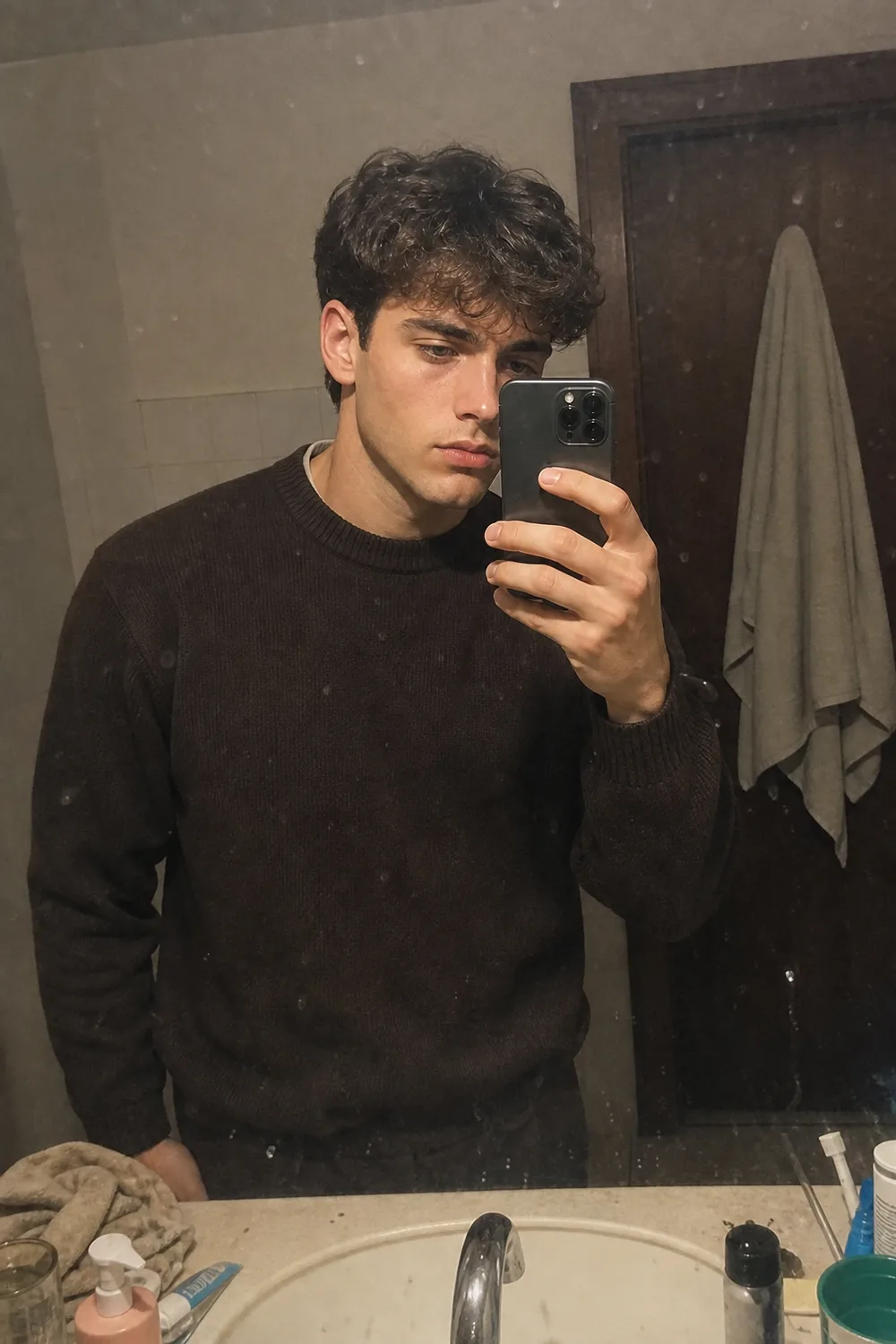 Before
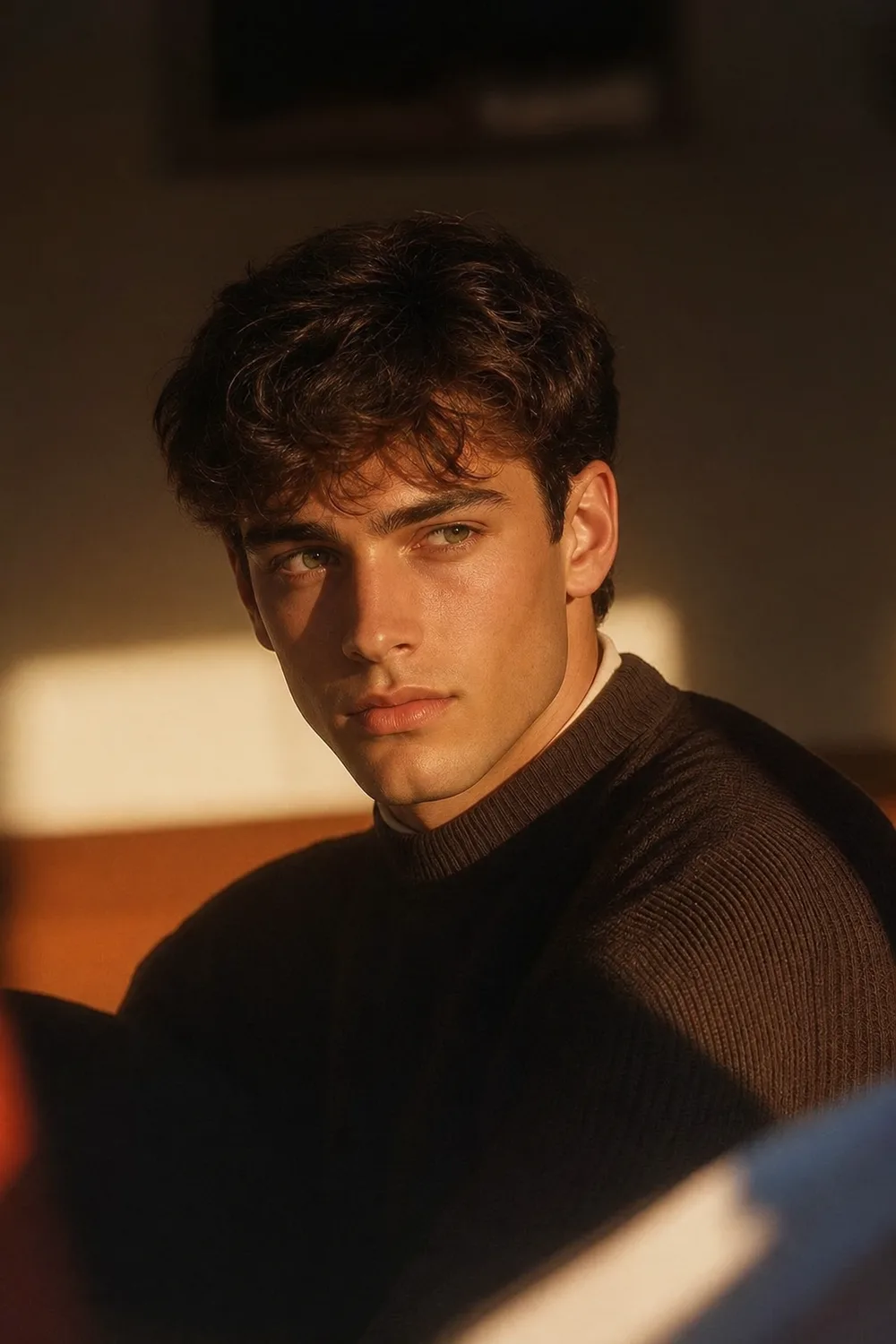 After
AfterStudio / Private by design
See yourself shot properly.
Use our AI dating photo generator to create profile pictures from four everyday selfies. Your uploads are encrypted, never used to train AI, and become inaccessible five days after upload.
Or quick sign-in from here
Why photo order matters (quick research summary)
The primacy effect dominates swipe decisions: multiple platform analyses show 50–90% of swipe outcomes are decided by the opener within 1–3 seconds. If your first image fails to communicate clarity and trust, viewers rarely inspect later photos.
Aggregated findings recommend 4–6 images as the sweet spot — enough variety to show lifestyle and personality without overwhelming viewers. Industry tests also show headshot-first ordering dramatically predicts swipe and match improvements across Hinge, Tinder and Bumble.
App features like Hinge’s Top Photo (auto-reorder) can complicate sequencing; always check whether the platform is reordering your top slot before you run experiments.

How each photo slot works: psychological & behavioral rationale
Think of your photo order as a five-stage funnel: attract → verify → engage → reassure → prompt. Each slot serves a distinct cognitive job in that funnel.
Slot #1 — Opener (attention filter)
- Primary goal: grab attention and signal trustworthiness immediately.
- Signals that matter: clear face, eye contact, natural smile or confident gaze, good lighting, no heavy filters or sunglasses.
- Why it works: the brain uses facial cues to quickly assess approachability; if these cues fail, viewers rarely continue.
Slot #2 — Credibility / body
- Primary goal: confirm you’re real and convey style/fitness cues.
- Use a full-body or outfit shot with clear framing and neutral background.
- Why it works: reduces “catfish” suspicion and supplies basic physical/contextual information that supports first impressions.
Slot #3 — Personality / hobbies
- Primary goal: provide conversation hooks (activity, hobby, pet, travel).
- Action shots and pets increase approachability and give immediate DM openings.
- Why it works: shows lifestyle compatibility and makes messaging easier for viewers.
Slot #4 — Social proof
- Primary goal: signal sociability and safety through friend/event images.
- Make sure you’re clearly identifiable in group photos; avoid using a group photo as the opener.
- Why it works: seeing you liked by others lowers perceived risk for offline meetups.
Slot #5 — Closing prompt
- Primary goal: leave a memorable or quirky detail that invites a message.
- Good closers: travel highlight, unique skill, instrument, or humorous candid.
- Why it works: it gives a natural opening line and ends the profile on a conversational note.
Platform specifics: Hinge vs Tinder vs Bumble (and why it matters)
Each app has a slightly different audience and UI that change how photo order performs.
Hinge
- Hinge users read prompts and expect context, so mid-profile photos that support answers perform well.
- Hinge’s Top Photo feature can auto-reorder based on algorithmic predictions; check the Top Photo setting before testing or disable it to enforce your sequence.
Tinder
- Tinder is ultra image-first and very swipe-driven; prioritize a bold, high-contrast headshot that reads well in the swipe card.
- Less text context means your photos must supply all cues — opener quality is even more critical.
Bumble
- Because women often message first, Bumble profiles benefit from context and approachable mid-photos (hobbies, social proof) that make initiating easier.
Cross-platform tips
- Maintain consistent opener quality across apps; change slots 3–5 to tailor to each app’s audience.
- Monitor features like Hinge Top Photo or Tinder experiments that might change how your selected opener is displayed.
Three tested template sequences (exact first-to-last orders)
Below are three prescriptive sequences you can drop into your profile. Each includes the exact slot order, the one-line goal for each slot, and short concrete examples you can copy.
Template A — Authentic Classic (serious daters)
1 → 2 → 3 → 4 → 5
- Slot 1: Headshot — Goal: pass the attention filter. Example: close crop, natural smile, soft natural light.
- Slot 2: Full-body / outfit — Goal: confirm realness & style. Example: standing outdoors, full frame, dressed neatly.
- Slot 3: Hobby / activity — Goal: conversation starter. Example: playing guitar, hiking photo in mid-action.
- Slot 4: Casual candid with friends — Goal: social proof. Example: you clearly visible at a small gathering, laughing.
- Slot 5: Travel / finishing shot — Goal: curiosity & talk trigger. Example: you in front of a colorful landmark or unique view.
Template B — High-Attraction, Low-Friction (swipe-driven exposure)
1 → 2 → 3 → 4 → 5
- Slot 1: Strong solo headshot — Goal: maximize immediate swipes. Example: high-contrast crop, confident expression.
- Slot 2: Full-body active shot — Goal: show energy/fitness. Example: running on a trail or climbing.
- Slot 3: Pet or playful shot — Goal: warmth and approachability. Example: cuddling a dog or playing with a pup.
- Slot 4: Hobby/skill shot — Goal: DM hook. Example: making food, playing an instrument.
- Slot 5: Subtle dateable scene — Goal: shows you’re date-ready. Example: casual coffee-shop candid or market stroll.
Template C — Creative / AI-Enhanced (use AI sparingly)
1 → 2 → 3 → 4 → 5
- Slot 1: Natural-looking headshot (real or subtle AI-enhanced). Goal: immediate attention. Example: high-quality portrait that still looks like you.
- Slot 2: Full-body real photo. Goal: verify authenticity. Example: original full-length shot in neutral setting.
- Slot 3: Activity / hobby (real). Goal: conversation starter. Example: cooking class, hiking, or instrument shot.
- Slot 4: Controlled AI-variant (one image only). Goal: explore stylistic lift while keeping authenticity. Example: same pose, slightly different outfit/background — flag if synthetic.
- Slot 5: Closing candid / unique detail (real). Goal: leave an easy open-line. Example: a quirky detail like a tattoo, unique coffee mug, or travel memento.

Template A — Authentic Classic (exact 1→5 and short rationale)
1. Headshot (solo, natural smile/eye contact). Use soft natural lighting, minimal retouching, and a clear crop from chest to head.
2. Full-body / outfit shot (standing, clear framing). Choose a neutral background so the viewer can assess posture and style quickly.
3. Hobby / activity (real, in-action). Pick an honest action shot that signals interests without staging too much.
4. Casual candid with friends (you identifiable). Include one friendly group picture to show social life; ensure you’re the focal point.
5. Travel / finishing shot (visually striking and conversational). End on something memorable that invites a question.
Who this is best for: serious daters seeking credibility and long-term matches; prioritizes trust over instant swipe volume.
Template B — High-Attraction, Low-Friction (exact 1→5 and short rationale)
1. Strong solo headshot (high contrast, confident expression). Make this bold — a card that reads well in Tinder’s swipe UI.
2. Full-body active shot (sport/adventure). Shows energy and fitness without words.
3. Pet or playful shot (approachability). Pets can increase likeability dramatically if genuine.
4. Hobby/skill shot (cooking, instrument). Offers quick DM opens and perceived uniqueness.
5. Subtle dateable scene (coffee shop/market). Signals real-world dateability and lowers friction for meeting.
Who this is best for: swipe-heavy contexts and profiles prioritizing quick right-swipes; commonly used by men seeking volume of matches.
Template C — Creative / AI-Enhanced (exact 1→5 and safe-use notes)
1. Natural-looking headshot (real or subtle AI-enhanced). If using AI, keep edits to lighting/pose while preserving recognizability.
2. Full-body real photo (verify authenticity). At least one clearly real image anchors trust in the profile.
3. Activity/hobby (real). Real action photos outperform stylized AI images for conversation quality.
4. One controlled AI-variant (different outfit/background; flag if looks synthetic). Use a single AI image to test stylistic lift, not as the sole representation.
5. Closing candid/unique detail (real). End with a genuine, message-inviting moment.
AI rules: keep most photos real, test only one AI image at a time, and avoid obviously synthetic faces. Platforms and daters penalize images that appear too airbrushed or mismatched.
How to A/B test your photo order in 2–4 weeks (step-by-step plan)
Goal: measure lift in right-swipes/likes, matches, first-message open rate, and reply rate. Target a detectable lift of ~20–30% for practical significance.
- Prep (Day 0)
- Record baseline metrics for 3–7 days (or use 7-day historic data): impressions, likes, matches, first messages, and replies.
- Note platform settings like Hinge Top Photo and disable auto-reorder if you want to enforce sequence control.
- Create variants
- Control (Variant A): current live order or Template A.
- Test (Variant B): Template B or C, or swap only one major variable (e.g., change opener or replace slot #3 with an AI image).
- Change only one variable between A and B to isolate effects.
- Timing & duration
- Single-account sequential test: run each variant for 7–14 days with similar weekday coverage.
- Parallel test (two accounts): run concurrently for 14 days if you can ethically/legally maintain two accounts; this controls for seasonality.
- Data collection
- Track impressions/likes/matches with screenshots or app analytics daily.
- Record first-message open and reply rates to measure conversation quality.
- Analysis & thresholds
- Aim to detect a 20–30% relative lift in match rate; smaller lifts require longer windows or larger samples.
- If matches increase but reply quality drops, consider blending elements (e.g., AI opener with real candid mid-photos).
- Iterate
- Apply winners for 2–4 weeks, then re-test small changes (opener lighting, smile style, or a new hobby shot).
Practical tips: photo selection, composition, and anti-mistakes
- Lighting: natural, soft lighting beats studio harshness for approachability.
- Resolution: high-res images read better in small cards; avoid heavy compression or pixelation.
- Crop rules: opener should show head and shoulders (chest-to-head framing) so facial cues are clear.
- Avoid sunglasses, hats or obscuring props in the opener; eyes drive trust.
- Group photos: never lead with one; ensure you’re clearly identifiable if you include a group image later.
- AI red flags: overly smooth skin, mismatched lighting, asymmetric facial features. Keep at least one validating real image.
Quick plug-and-play checklist (use before editing or testing)
- Slot 1: headshot — clear face, eye contact, natural light.
- Slot 2: full-body — verify posture and outfit.
- Slot 3: hobby/pet — choose a true interest shot.
- Slot 4: social proof — one candid with friends, you identifiable.
- Slot 5: travel/quirk — memorable closer that invites a message.
- Total photos: 4–6. A/B test cadence: 7–14 days per variant. Check Hinge Top Photo before testing.
- Ethics & safety: be honest, read AI generator terms, follow platform rules.
Conclusion and next steps
Recap: start with a clear solo headshot, then a full-body or outfit shot, then a hobby/pet, add social proof, and finish with a travel or quirky prompt. That 1→5 ordering (4–6 photos) creates an attract → verify → engage → reassure → prompt funnel that consistently improves matches and conversation starts across Hinge, Tinder and Bumble.
Next steps: pick one template (A, B or C) that matches your goals, run the 2–4 week A/B test outlined above, and iterate based on match and reply quality. Try one conservative AI edit only if you’re curious, and always keep at least one unambiguously real full-body or candid image to preserve trust.
If you want, I can now: draft a suggested H1/H2 structure and meta description, create three before/after profile examples, or build a Google Sheets tracker for your A/B test. Which would you like next?
Questions, answered.
01What should my first photo be on Hinge to get more matches?+
Your first photo should be a clear, solo head-and-shoulders shot with natural light, eye contact, and a genuine smile or confident expression. This slot dominates quick decisions—use high resolution, no sunglasses or heavy filters, and avoid group shots. If you want to test styles, only swap the opener in an A/B test so you can measure lift accurately.
02How many photos should I have on Hinge and Tinder?+
Aim for 4–6 photos on both Hinge and Tinder to show variety without overwhelming viewers. Include a strong headshot first, a full-body or outfit shot early, and 1–2 activity, hobby, pet, or travel images plus one social or quirky closing shot to provide conversation hooks and social proof.
03Can I use AI-generated photos on my dating profile safely?+
You can use AI-generated photos safely if they look realistic, keep you recognizable, and you include several clearly real photos alongside them. Use AI sparingly—one AI-enhanced headshot can improve quality, but obviously synthetic or overly polished images often reduce trust and reply rates, so A/B test any AI image before making it your opener.
04How long should I run an A/B test to see a real match lift?+
Run each variant for a minimum of 7–14 days; a 2–4 week total window gives more reliable results and smooths weekly pattern noise. Record impressions, likes, matches, first-message open rate and reply rate; aim to detect a practical 20–30% relative lift, and only change one major variable (like slot #1) between variants.
05What if Hinge auto-reorders my top photo—how do I test order reliably?+
If Hinge is auto-reordering via Top Photo, either disable the feature to lock your sequence or treat Top Photo as the test variable and compare performance with it on versus off. For clean A/B tests, turn off auto-reorder so your chosen opener is enforced, or run parallel accounts with and without Top Photo enabled to measure its impact.

Author / reviewed profile
Emma Blake
Emma Blake is a dating coach and portrait photographer with 8+ years of experience helping singles improve their online dating profiles. She has worked with over 2,000 clients and her advice has been featured in Cosmopolitan, Elite Daily, and The Dating Insider. Emma holds a B.A. in Psychology from NYU.