
Create Consistent AI Photo Sets for Dating Apps (2026)
Learn how to generate cohesive 4–7 AI dating photos that read like one photoshoot. Includes prompt recipes, wardrobe & lighting rules, verification checks, app sequencing, and an A/B test plan.

Introduction
AI photo sets for dating apps can produce a polished, cohesive 4–7 image photoshoot that improves matches—if you prioritize consistency and realism. Upload 8–15 recent selfies, enforce consistent wardrobe and lighting rules, follow a platform-specific shot sequence (headshot → full-body → lifestyle → social → detail), run verification-safe realism checks, and A/B test lead images and order.
This guide walks through the prep checklist, narrative template, proven prompt recipes, wardrobe and lighting rules, Tinder/Bumble/Hinge sequencing playbooks, verification checks to avoid flags, and a simple A/B test plan to measure real results.
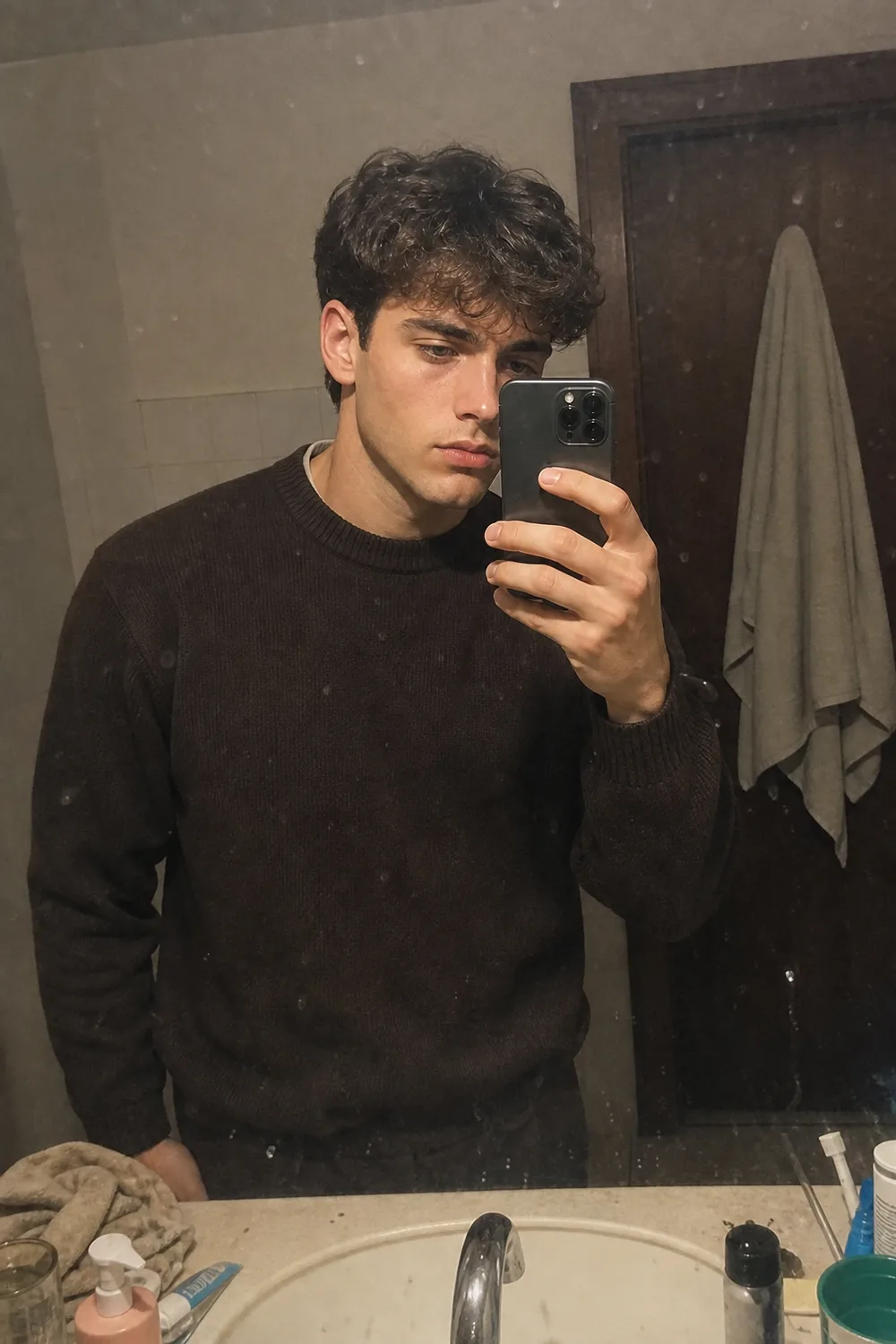 Before
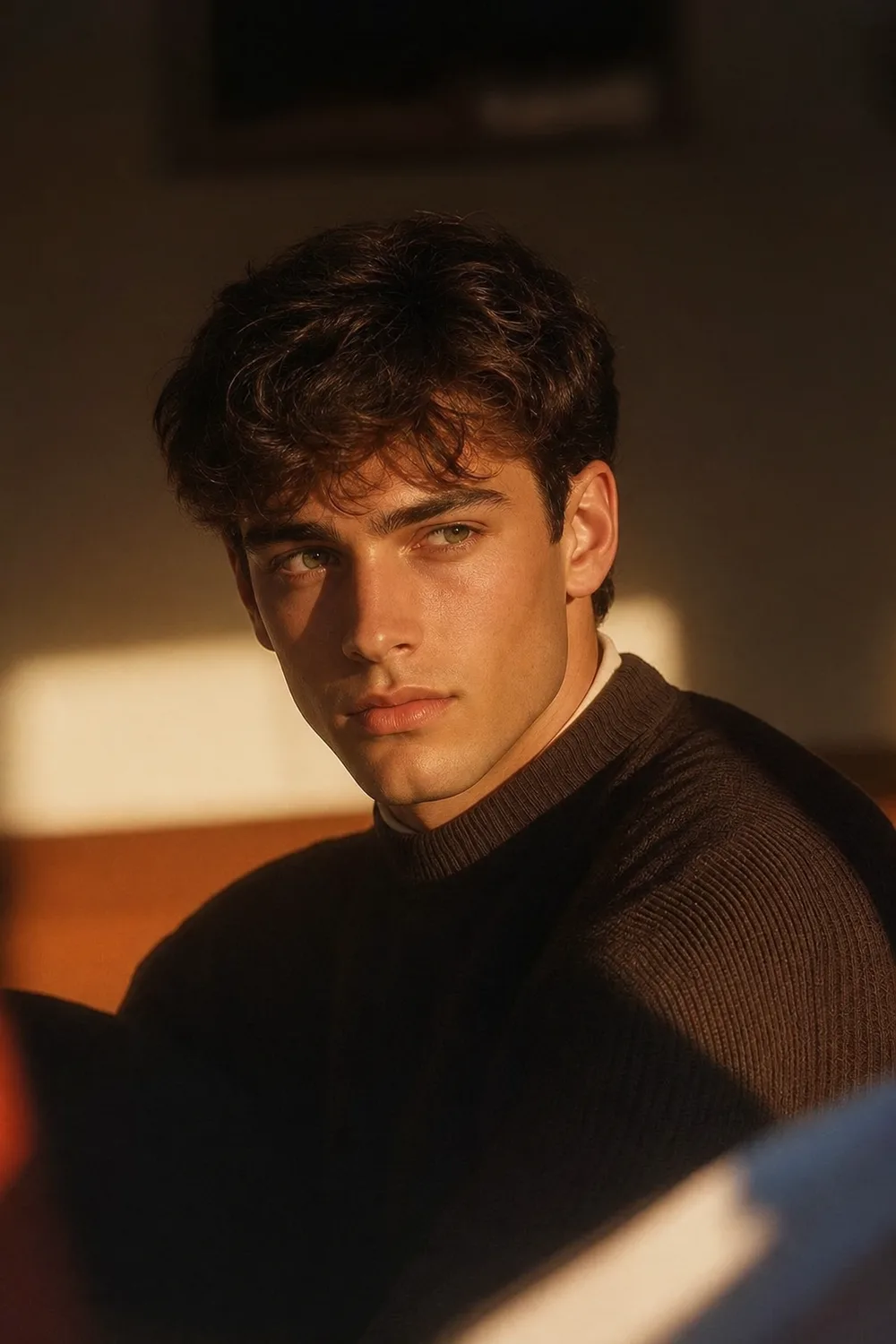 After
AfterStudio / Private by design
See yourself shot properly.
Use our AI dating photo generator to create profile pictures from four everyday selfies. Your uploads are encrypted, never used to train AI, and become inaccessible five days after upload.
Or quick sign-in from here
Why multi-photo AI photoshoots matter for dating apps (quick overview)
Photos are the main filter on Tinder, Bumble and Hinge. A multi-photo narrative outperforms a single retouched headshot because it communicates appearance, context and personality in a few swipes.
AI "photoshoot" services exploded in 2024–2026, offering users dozens to hundreds of images from 8–20 inputs. Vendors (MatchPic, Glowup, Rizzagic, DatingShoot) report large match uplifts, though these are vendor-reported and not independent studies.
Consistency and realism are critical today. Apps use liveness and photo verification, and users are more skeptical after increases in AI-enabled scams and deepfakes. The practical goal: produce 4–7 images that read like one authentic photoshoot—transparent, believable, and conversation-ready.
What AI can and can't do for dating photos
AI excels at improving lighting, reframing images, swapping outfits realistically, creating background cohesion, and subtle retouching that preserves identity. Use it to raise production value, not to become a different person.
Limitations and risks are real: facial geometry drift, hand/finger artifacts, over-smoothing of skin, and identity changes that can trigger verification or user distrust. These errors are common failure modes to watch for.
Ethical and platform constraints matter. Apps prohibit impersonation and manipulated media intended to deceive. Tinder and others run photo/video verification flows; images that materially alter your appearance can cause reviews or badges to be withheld.
Prep: what to upload to your AI photoshoot tool
Your input set determines output fidelity. Aim to upload 8–15 recent, high-quality photos spanning close, medium and full-body shots. Include 1–2 smiling images and at least one clear frontal verification-style selfie (no sunglasses, hat, heavy filters).
- Cover angles: left/right three-quarter, straight-on, slightly above and slightly below.
- Avoid heavy filters or extreme makeup—let the model learn your natural features.
- Include typical outfits (casual + one dressier item) so AI can generate plausible wardrobe consistency.
- Optional: upload a short neutral video selfie if the tool accepts it and you plan to use app verification later.

Designing a cohesive 4–7 image narrative (photo template)
Use a clear shot order so the set reads as one photoshoot. The recommended sequence below is platform-agnostic and customizable for 4–7 images.
- Lead headshot: tight-to-medium crop, warm natural light, approachable expression. Purpose: stop-the-scroll.
- Full-body: shows proportions and style in a simple, believable environment. Purpose: transparency/trust.
- Lifestyle/action: doing something you actually enjoy—cooking, hiking, playing music. Purpose: conversation-starter.
- Social proof: group or social-scene shot where you remain clearly identifiable. Purpose: shows sociability.
- Detail/personality: pet, travel moment, hobby close-up. Purpose: memorable closer.
- Optional polished portrait: slightly dressier, studio-lite portrait for variety.
How each shot functions:
- Stop-the-scroll: a strong first headshot with natural eye contact.
- Transparency: a full-body that aligns with your real-world proportions.
- Conversation-starter: a lifestyle shot tied to your bio or interests.
- Sociability: a later slot that signals you have friends and a life.
- Memorable closer: a detail shot that prompts a message or laugh.
Customize the template based on count:
- 4 images: headshot → full-body → lifestyle → detail.
- 5 images: add social proof at #4.
- 6 images: include optional polished portrait at #6.
- 7 images: expand lifestyle and social scenes for richer story-telling.
Wardrobe & lighting rules for consistency
Small wardrobe and lighting rules create visual cohesion across AI outputs and reduce detection risk.
Three-outfit rule
- Everyday casual: solid, non-busy colors (e.g., navy, olive, charcoal).
- Smart-casual: jacket or collared shirt, minimal patterns.
- Activity-specific: gym top, hiking jacket, or instrument-appropriate clothing.
Avoid large logos, radical hairstyle changes, or dramatic facial makeup in the set. Keep hair length and facial hair consistent across images.
Color palette and lighting
- Pick 1–2 complementary color palettes to tie images together (e.g., navy + warm neutrals).
- Favor natural soft light—golden hour or shaded daylight—and avoid hard studio flash across multiple images.
- Front-lit faces with soft shadows look realistic and verification-safe.
Background plausibility: keep scenes consistent with your lifestyle and avoid mixing incompatible geographies (e.g., winter coat + beach sunset) unless you actually travel to those places.
Prompt recipes: copy-paste prompts for realistic, verification-safe images
Write prompts that insist on photorealism, correct proportions, and minimal retouching. Never request age, ethnicity, or major facial-structure changes.
Prompt guidelines:
- Ask for realistic skin texture and natural eye detail.
- Insist on correct camera framing and plausible lighting direction.
- Emphasize hands and body fidelity—request visible, realistic fingers and joints.
- Flag "no heavy retouching" and "no major identity changes."
Five example prompts (customize placeholders)
Headshot (tight):
Photorealistic portrait of [NAME], head-and-shoulders, natural warm daylight, slight open smile, realistic skin texture, subtle pores, lifelike eyes and teeth, neutral bokeh background, no heavy retouching, resolution 2000x3000.
Full-body street:
Full-body outdoor photo of [NAME] walking on a sunlit city sidewalk, casual outfit (dark jeans, navy jacket), candid mid-stride, natural smile, golden-hour lighting, realistic shadows, photographed from ~10 feet, accurate proportions.
Lifestyle/action:
Photo of [NAME] making a latte at a café counter, mid-action, warm daylight, hands visible with realistic fingers, relaxed smile, shallow depth of field, natural background details.
Social proof:
Photo of [NAME] at an outdoor table with two friends in soft focus; [NAME] is clearly in foreground, smiling at camera, casual evening light, natural candid vibe.
Detail/pet:
Candid portrait of [NAME] kneeling beside a medium-sized dog in a park, both looking at camera, warm daylight, realistic fur and visible hands, shallow depth of field.
Prompt dos and don’ts:
- Do: emphasize realistic hands, natural skin texture, and consistent facial markers.
- Don’t: request age reduction, ethnicity changes, or exaggerated smoothing.
- Do: include environment cues (golden hour, café counter) for plausibility.
Sequencing playbook: Tinder vs Bumble vs Hinge
Match behavior differs by app. Customize the same 4–7 image set by reordering priority shots per platform intent.
Tinder (visual-first)
- Lead with a bold headshot—tight crop, strong eye contact, high contrast but natural skin.
- Use 3–5 images: headshot, full-body, lifestyle/action as top three.
- Prioritize immediate visual punch; short attention windows reward striking images.
Bumble (curated/friendly)
- Use a friendly, authentic headshot first; avoid controversial or edgy images early.
- 3–6 images with balanced mix: headshot, full-body, hobby, social proof.
- Bumble’s auto-selection can surface your best photo, so keep the first few very safe and natural.
Hinge (story-driven)
- Hinge rewards story: use 5–7 images that tie to your prompts and bio.
- Lead with a genuine headshot but quickly move to lifestyle and personality shots.
- Prioritize match→conversation rate; choose images that create questions or prompts for replies.
Specific sequencing examples show why order matters: Tinder’s algorithm favors immediate attraction; Hinge’s UX nudges conversations, so lifestyle/context images can outperform pure glamour there.
Verification-safe realism checks (avoid flags & user distrust)
Run quick, methodical checks before uploading to avoid app moderation or alarming viewers.
Facial-consistency test
- Place a fresh live verification selfie beside each AI image at 150% zoom and compare proportions.
- Check nose/eye spacing, ear shape, moles/scars and facial hair patterns—reject images where these drift.
Hands & body fidelity
- Inspect fingers, knuckles and joint angles for artifacts—AI often mangles hands.
- Reject images with impossible finger counts, fused fingers, or unnatural hand positions.
Lighting & shadow consistency
- Ensure light direction and shadow fall are plausible across images; mismatched shadows are a red flag.
- Check that skin tones respond logically to the background lighting.
Metadata & social validation
- Export as standard JPG; remove or normalize EXIF metadata if vendor tags images as synthetic.
- Use vendor "dating optimized" exports when available.
- Do a friend check: show 2–3 people who know you. If they wouldn’t recognize you, revise the set.
A/B test plan: measure what actually increases matches and conversations
Testing confirms which images and orders actually move the needle. Keep tests simple and controlled.
Define metrics
- Matches per 1,000 swipes (good for Tinder).
- Match→conversation rate and message quality (Hinge/Bumble).
- Offline dates or meaningful conversations where trackable.
Test structure
- Create 2–3 profile variants differing only by the lead photo (or by order in a secondary test).
- Run each variant for equal time windows (3–4 days each) at similar times of week.
- Record impressions, matches, first messages, message quality notes, and any in-person outcomes in a simple spreadsheet.
- Evaluate by your priority metric (match rate for Tinder; match→reply for Hinge/Bumble) and choose a winner.
Secondary tests: once you pick a lead photo, A/B test secondary slots (e.g., whether a lifestyle or full-body image performs better in slot #3). Repeat quarterly or when your appearance changes.
Comparison: AI photos vs professional photoshoot (pros, cons, hybrid)
AI photos pros: fast, low-cost (often <$50–$100), and offer many variations quickly. Cons: possible artifacts, verification risks, and trust issues if overdone.
Pro photoshoot pros: guaranteed authentic images, photographer direction, and fewer trust issues. Cons: higher cost ($150–$500+), booking logistics, and fewer quick variations.
Hybrid recommendation: take a short pro session to capture 6–12 anchor photos, then use AI for safe variations—outfit swaps, background cohesion and optimized crops—while preserving anchor authenticity for verification.
Quick checklist: create a 4–7 image set that passes verification and wins matches
Upload 8–15 clean selfies including a clear frontal headshot. Generate 4–7 final images in this narrative order: lead headshot → full-body → lifestyle → social → detail → optional polished portrait. Follow the three-outfit rule, favor natural soft lighting, run facial-consistency and hand checks against a live verification selfie, export standard JPGs, and A/B test lead photo and order for 3–4 day windows.
For verification context, consult Tinder Photo Verification and FTC guidance on romance scams before widespread use.
Common pitfalls and how to avoid them
Top mistakes:
- Leading with a group shot or a sunglasses/hat photo first—swap these later in the sequence.
- Over-retouching—dial back smoothing and preserve pores and facial markers.
- Identity drift—reject images that change perceived age, ethnicity or facial structure.
- Impossible hands—replace or re-run prompts specifying hand fidelity.
Quick fixes: swap the lead photo, remove heavy filters, re-run prompts with stricter realism language, or add a fresh verification selfie to constrain the model.
Resources, templates and next steps for readers
Suggested downloads to include on your post page:
- A/B test spreadsheet template (impressions, matches, replies, notes).
- One-page realism & verification checklist for side-by-side comparisons.
- Prompt cards for headshot, full-body, lifestyle, social proof and detail shots.
Citation anchors to include: Tinder Photo Verification help center (for verification details), FTC romance-scam reporting or recent security firm reports (for safety context), and vendor pages as examples of market offerings (label vendor match claims as vendor-reported).
Next steps: run one controlled AI photoshoot with 8–15 inputs, perform the realism checks above, and run a two-week A/B test to validate which lead image and order produce your best match→conversation outcome.
Conclusion
AI can produce a cohesive, convincing multi-photo dating profile when used to enhance—not replace—your real features. Follow the prep checklist, keep wardrobe and lighting consistent, use the platform sequencing tips, run verification-safe realism checks, and measure results with simple A/B tests. The result: a 4–7 image set that reads like an authentic photoshoot and improves real matches without risking trust or account flags.
Questions, answered.
01Are AI-generated dating photos allowed on Tinder, Bumble, and Hinge?+
Yes—none of the major apps explicitly ban AI-assisted photos, but they require images to accurately represent you and prohibit deceptive manipulation; Tinder, for example, uses live-photo verification to confirm identity. Use AI to enhance lighting, framing, and shirt/pose variety while keeping facial features, age, and body proportions consistent with a live selfie to avoid moderation flags or user distrust.
02How many AI photos should I use for a dating profile (Tinder vs Hinge vs Bumble)?+
Aim for a cohesive 4–7 image set across apps: one clear headshot, a full-body, a lifestyle/action shot, social proof, and a detail/personality image. Tinder favors 4–5 punchy visuals, Bumble works well with 3–6 friendly, curated shots, and Hinge benefits from 5–7 story-driven photos tied to prompts.
03Will AI photos get me more matches, and how should I measure success?+
AI photos can increase matches by improving photo quality (lighting, composition, variety), but gains come from authentic-looking improvements rather than changing identity. Measure success with match rate per 1,000 swipes on Tinder and match-to-conversation or reply rate on Bumble/Hinge; A/B test lead image and sequencing for 3–4 day windows to identify the best variant.
04How can I make sure AI photos don’t trigger verification checks or look fake?+
Keep images verification-safe by ensuring facial proportions, skin details, hairstyle, and body shape match a fresh live selfie; avoid extreme retouching, inconsistent lighting, impossible hands, or wildly different backgrounds. Do a facial-consistency zoom check, ask 2–3 friends if they’d recognize you, preserve one unedited headshot for app verification, and export standard JPGs without obvious synthetic metadata.
05Should I use an AI photoshoot or hire a professional photographer?+
Both are valid: AI photoshoots are fast, affordable, and create many platform-sized variations, while professional photographers guarantee real, directed shots that reduce trust issues. A hybrid approach often works best—get a 30–60 minute pro session for anchor photos and use AI to generate safe variations and outfit/background alternatives to expand options at low marginal cost.
Author / reviewed profile
James Park
James Park is a relationship researcher and digital marketing specialist who studies how visual presentation impacts online dating success. His research on dating app profile optimization has been cited in academic journals and popular media. James holds an M.S. in Social Psychology from UCLA.