
AI vs Professional Dating Photos: Which Gets More Matches?
Run a low-cost 7–14 day A/B test to see whether AI-generated or professional photos get you more matches. Includes a decision matrix by age, gender, and app, plus prompts and an ethics checklist.
Short answer: There’s no universal winner — AI dating photos often boost match volume cheaply and quickly, while professional dating photos usually win on authenticity and higher‑quality conversations. The only reliable way to know for your profile is a controlled A/B split test on the apps you use to measure match rate and message quality.
This article gives a step‑by‑step 7–14 day A/B testing playbook, sample photo sets, a downloadable photo‑split test template, statistical heuristics, a segmented decision matrix (by gender, age, and app), cost/benefit examples, recommended AI prompts/styles, and an ethics/legal checklist you can run this week.
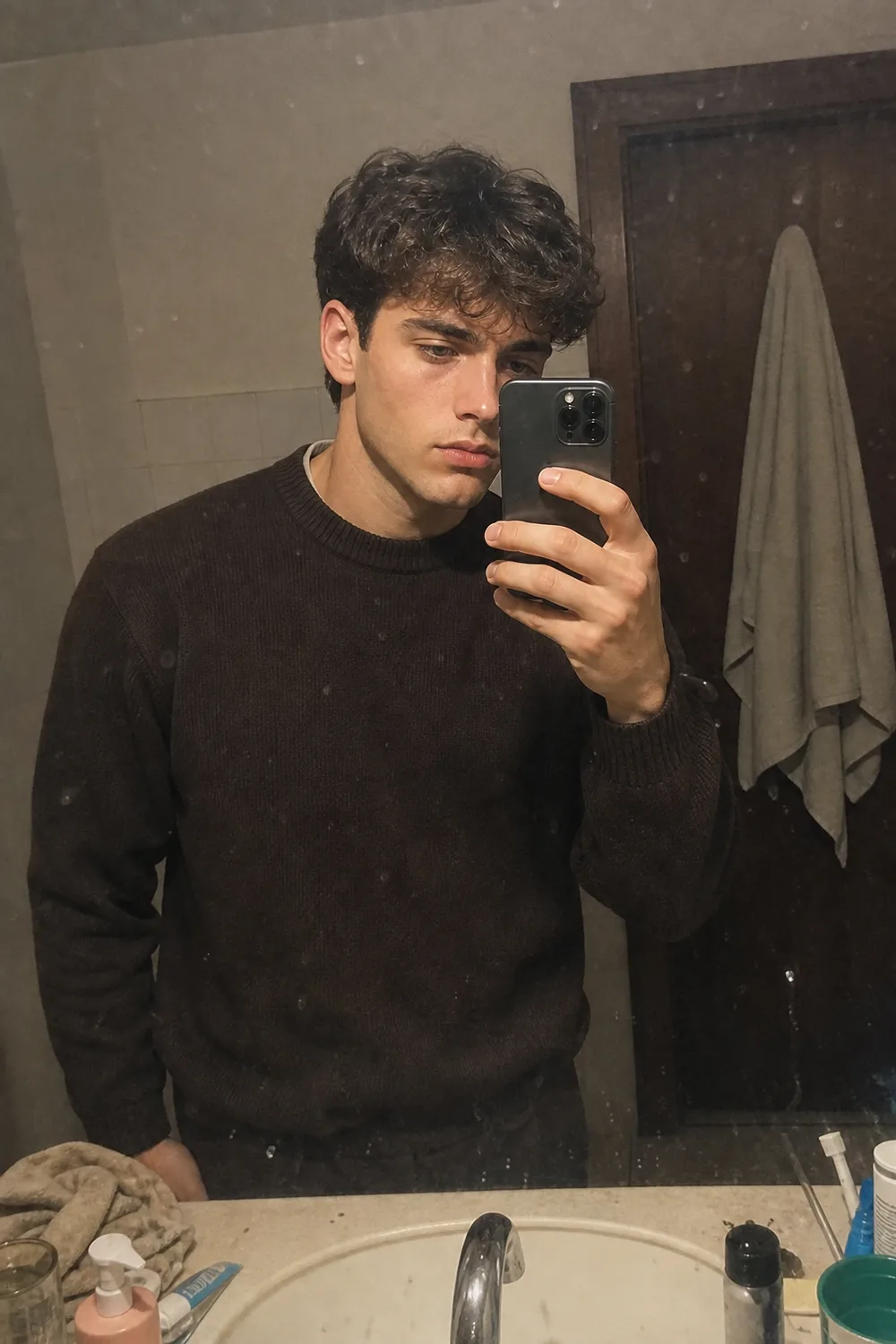 Before
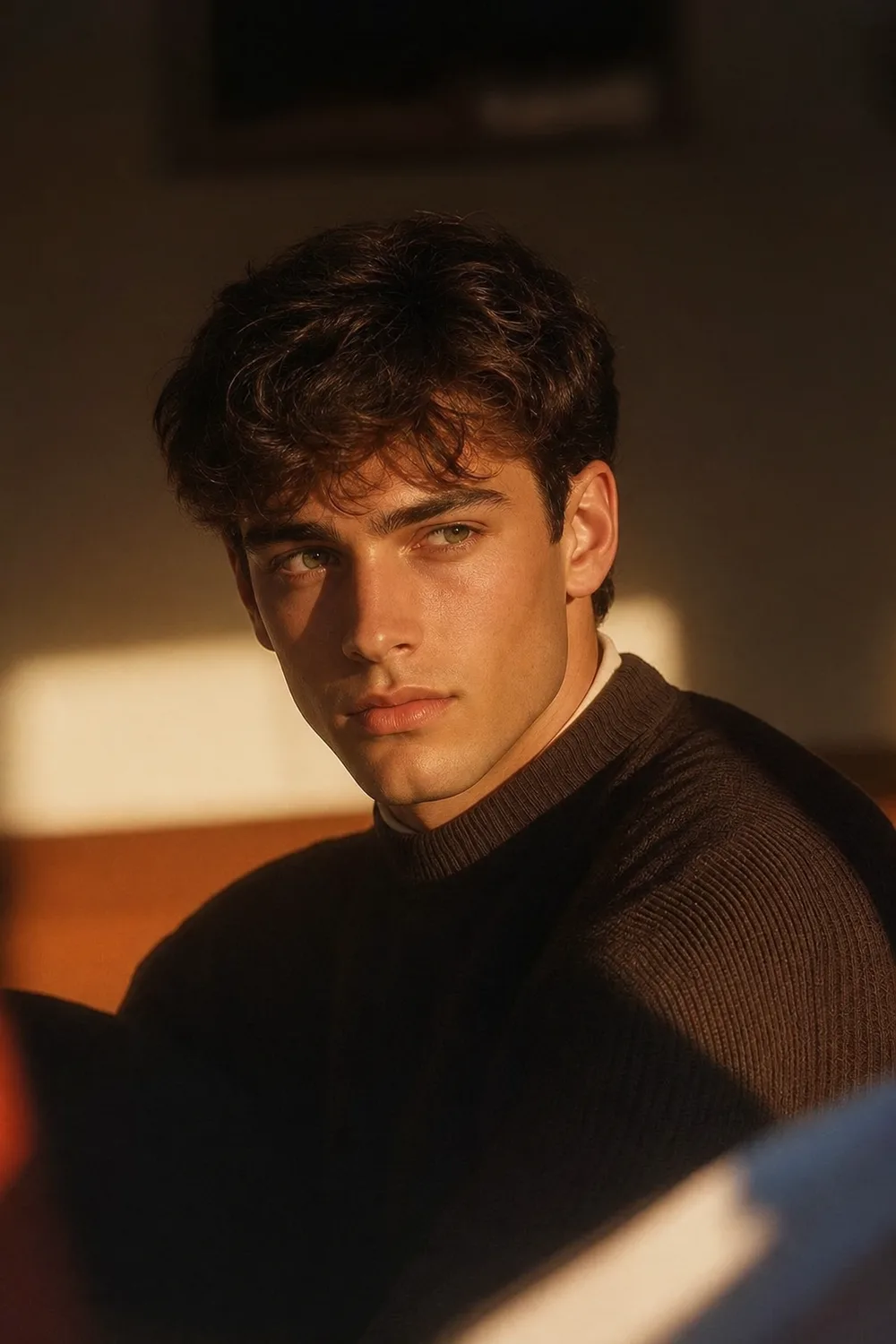 After
AfterStudio / Private by design
See yourself shot properly.
Use our AI dating photo generator to create profile pictures from four everyday selfies. Your uploads are encrypted, never used to train AI, and become inaccessible five days after upload.
Or quick sign-in from here
Why this test matters: photo impact, AI hype, and platform risk
Profile photos dominate first impressions on dating apps; small changes in perceived attractiveness or trustworthiness can produce measurable shifts in match probability. Vendors trumpet big match lifts from AI images, but many published multipliers are marketing‑driven — treat them as hypotheses, not facts.
Platforms are tightening authenticity checks: verification selfies, context checks, and pattern detection are increasingly common. Detection is imperfect and biased at times, so using AI images can risk verification requests or visibility penalties.
Bottom line: because effects vary by audience, app, and image quality, a short, controlled A/B test is the lowest‑cost way to discover what works for you.
Quick verdict — When AI usually wins vs when pro photos are better
- AI wins (typical): low cost, fast iteration, many variations, helps younger users test styles quickly.
- Pro shoots win (typical): authenticity, accurate in‑person resemblance, better for older daters and serious dating platforms.
- Tradeoffs: AI often increases match quantity; pro photos tend to increase match quality (deeper conversations, higher date conversion).
Actionable A/B testing playbook: run a 7–14 day photo split test
Goal: measure match rate and message quality for AI vs professional/real photos using a repeatable protocol. The test flow is simple: pre‑test setup → run variant(s) → daily track → analyze.
Pre‑test setup (day 0)
- Choose 1–2 apps where you’re most active (e.g., Tinder, Hinge, Bumble). Run separate tests per app if possible.
- Define metrics: primary = match rate (matches / impressions or matches per day). Secondary = messages per match, quality of first messages, dates set.
- Minimum sample guidance: aim for 50–100 matches per variant for good confidence. If you expect low volume, plan 14 days or pool results across apps.
- Create two matched photo sets: Control (your current real/pro set) and Test (AI‑generated set). Keep bios, prompts, age, job identical.
Test design options
- Sequential AB (recommended if you only have one profile): run Variant A for 7 days, then Variant B for 7 days. Be aware time trends may confound results.
- Parallel AB (best if you can maintain two equivalent profiles or use two apps): run variants simultaneously. Note: review app TOS regarding multiple accounts.
- Within‑app randomization (advanced/rare): only possible if an app lets you toggle exposures—rare for consumers.
Upload rules
- Only change photos between variants; keep order consistent (first photo = primary test image).
- Record the exact photo filenames or IDs so you know what was live when.
Timeline
- 7‑day quick test: for high‑activity users. Sequential AB is simplest.
- 14‑day recommended: more reliable for most users; run 14 days per variant or parallel across apps.
Step-by-step tracking, spreadsheet template, and metrics to log
Use a simple Photo Split Test sheet. Exact columns keep logging consistent and analyzable.
- Date — day entry.
- App — Tinder, Hinge, Bumble, etc.
- Variant — A (control) or B (AI/test).
- Impressions/Swipes — if available from the app.
- Matches — count of new matches that day.
- Messages — number of first messages received (or sent) tied to those matches.
- Quality score — 1–5 per match (message depth, real intent, asks to meet).
- Dates set — count of meetings planned.
- Notes — verification flags, suspicious responses, other anomalies.
How to calculate core metrics:
- Match rate = matches / impressions (or matches per day if impressions are unknown).
- Message rate = messages / matches.
- Weighted quality score = average(match quality score × 1) to compare variants.
Daily logging tip: capture screenshots of conversations and verification requests for qualitative review. Copy the downloadable template into your Google Drive and duplicate it before each test.
Statistical significance & practical heuristics for dating tests
Formal tests use a two‑proportion test (match rates between two variants). Low counts and app noise make exact p‑values noisy, so use practical heuristics.
- Aim for 50–100 matches per variant for confident conclusions.
- If one variant is ≥25–30% better and you have ≥50 matches per variant → likely meaningful.
- With <30 matches each, extend the test, pool across apps, or treat results as directional only.
Worked example: Variant A = 40 matches from 1,000 impressions (4.0%); Variant B = 55 matches from 1,000 impressions (5.5%). That’s a 37.5% relative lift — with counts around 50, this looks promising; run a two‑proportion calculator online to check significance.
Sample photo sets & composition to isolate photo quality
Test with matched shot types so you isolate image quality, not content differences. Recommended 4–6 photo set:
- Primary headshot — close crop, eyes visible, smile, natural light.
- Full‑body shot — shows height/build on neutral background.
- Activity shot — hobby, sport, or travel scene.
- Social shot — one or two friends (not primary).
- Dressed‑up shot — date night / styled portrait.
- Candid/laughing shot — captures personality.
Keep ordering and shot types identical between variants. Good vs bad primary photo examples: good = bright, eyes visible, genuine smile; bad = group shot, heavy filters, low resolution. Order matters: place your clearest headshot first.
Segmented decision matrix: gender, age, and app-specific guidance
These are general rules based on practitioner data and platform patterns. Always A/B test for your specific audience.
- Men 22–30
- AI often wins for rapid variety and inexpensive lifestyle staging.
- Pro shoots help if you target premium dating segments or need polished full‑body images.
- Women 22–30
- AI can supply multiple looks quickly, but over‑processed AI can reduce trust.
- Pro shoots are better for natural candid lifestyle shots and accurate skin tone reproduction.
- Ages 30–45
- Pro photos often outperform AI on serious dating platforms (Match, Coffee Meets Bagel) and for users prioritizing authenticity.
- AI remains a good low‑cost option for casual apps or when testing styles before investing in a photoshoot.
- App notes
- Tinder: eye‑catching first photo wins — AI can be effective for bold headshots and travel scenes.
- Hinge: authenticity matters — hybrid approach (real headshot + AI supporting photos) works well.
- Bumble: verification and community standards emphasize representative photos; avoid dramatic transformations.
- Match/CMB: older demos and serious intent favor professional or accurate real photos.
Cost / benefit examples and ROI scenarios
Typical costs:
- AI photo pack: $0–$75 (per session or pack).
- Professional photoshoot: $150–$600 (region and photographer dependent).
- DIY at home: $0–$50 (tripod, light, friend/remote shutter).
ROI examples (simple):
- AI pack $50 → increases matches from 20 to 50 in 14 days = +30 matches. Cost per additional match = $1.67.
- Pro shoot $300 → increases matches from 20 to 45 and doubles date conversion → if extra 25 matches lead to 5 more dates, cost per additional date = $60.
Recommendation: low budget? Start with AI + one candid real photo, run 14‑day A/B test. High stakes or long‑term dating? Invest in a short pro shoot.
Recommended AI prompts, styles, and guardrails
Starter prompts (tweak for your generator):
- Headshot: "Photorealistic close‑up headshot, warm golden‑hour lighting, soft bokeh background, genuine smile, casual shirt, minimal retouching, accurate likeness to input photos."
- Outdoor adventure: "Mid‑shot outdoors, candid laugh, natural sunlight, beach/mountain background, photorealistic, accurate face match."
- Date night: "Waist‑up portrait, stylish blazer, warm restaurant lighting, confident relaxed smile, photorealistic, accurate likeness."
- Hobby shot: "Me cooking/playing guitar/rock climbing, candid expression, shallow depth of field, lifestyle vibe, photorealistic and true to my face."
Guardrails: include "photorealistic," "accurate likeness," and "minimal retouching." Preserve skin tone and age features. Keep one candid unedited photo in your set as an anchor for recognition.
Ethics, legal checklist & platform safety tips
- Representativeness: don’t materially change age, race, or facial structure. Use images you’d be comfortable being recognized in.
- Check app TOS and verification workflows before relying on AI images; keep originals to dispute flags.
- Vendor rights: confirm data deletion policies and training‑data retention before uploading photos.
- Bias & enforcement risk: detection systems can misflag certain groups; document originals and be ready to contact support if flagged.
- Safety: avoid heavy edits that would mislead a date. Keep at least one unedited candid photo to reduce deception risk.
How to act on results: decision rules and next steps
- If AI variant match rate ≥25% higher and message quality equal or better → adopt AI photos (or rotate them prominently).
- If pro/real variant match rate ≥15% higher → keep pro/real photos for authenticity and long‑term conversion.
- If match rates similar but real photos yield higher quality conversations → prefer real/pro for better dates.
- Hybrid option: pro headshot + AI supporting photos to combine authenticity and variety.
- Re‑run tests after major profile changes, app feature updates, or seasonal shifts (every 3–6 months minimum).
Common photo mistakes and quick fixes
- Primary photo is a group shot → swap to a clear headshot.
- Heavy filters/over‑editing → reduce edits; aim for natural skin tones.
- No full‑body shot → add one to show build and scale.
- Mismatched bio/photos → align images with stated interests.
- No candid/activity images → add a hobby or travel shot.
Conclusion and downloadable template CTA
Profiles are personal experiments: AI dating photos can scale variety and cheaply increase match volume, while professional photos usually produce more authentic conversations and better in‑person conversion. The only way to know is to run a short split test on your apps.
Download the Photo Split Test template (copy to Google Sheets or CSV) and run the 7–14 day experiment described above. Track matches, messages, and quality; apply the decision rules to pick a long‑term strategy and re‑test periodically as platforms and tools evolve.
If you want the downloadable CSV/Google Sheet template, say the word and I’ll generate a ready‑to‑copy file with formulas and example rows.
Questions, answered.
01Are AI-generated dating photos allowed on Tinder, Bumble, and Hinge?+
Short answer: platforms don’t universally ban AI-generated photos, but they require profiles to represent you and use verification tools that can flag manipulated images. Enforcement varies by app and can include verification video checks or moderation escalations; if photos materially alter age, race, or facial features you risk reduced visibility, verification requests, or account actions. Check each app’s authenticity rules and keep at least one clearly realistic photo as an anchor.
02How long should I run an A/B photo test to get reliable results?+
Run a photo A/B test for 7–14 days, aiming for at least 50–100 matches per variant if possible for reliable conclusions. High-activity users can learn in 7 days; low-volume profiles should extend to 14 days or longer. Track matches, messages per match, and conversation quality, and use the 25–30% uplift heuristic (with ≥50 matches) to judge meaningful differences.
03If AI photos get more matches but worse conversations, what should I do?+
If AI photos increase matches but lower conversation quality, use a hybrid approach: keep an attention-grabbing AI primary or supporting shots but include an unedited candid or pro headshot as an authenticity anchor. Re-run targeted A/B tests focusing on first-message quality and meeting intent, and consider swapping overly stylized AI images for subtler, more realistic variants to align expectations in person.
04How can I make AI photos look authentic enough to avoid platform flags?+
To reduce flag risk, generate AI images that faithfully match your current appearance and keep edits modest: accurate skin tone, similar age, realistic clothing, and non-dramatic retouching. Include at least one unedited candid photo, add context shots (full body, hobby), and choose vendors that promise minimal retouching and data deletion. If flagged, retain originals to prove authenticity during verification.
05What are the legal/privacy risks when uploading my photos to AI vendors?+
Uploading photos to AI vendors can expose you to data-retention, licensing, and privacy risks if the service keeps training data or claims broad usage rights. Read the vendor’s TOS and privacy policy: confirm deletion options, whether they retain or sell images, and if they claim commercial rights. Always use vendors that let you delete training data, avoid uploading other people’s photos, and document consent and deletion requests.

Author / reviewed profile
Emma Blake
Emma Blake is a dating coach and portrait photographer with 8+ years of experience helping singles improve their online dating profiles. She has worked with over 2,000 clients and her advice has been featured in Cosmopolitan, Elite Daily, and The Dating Insider. Emma holds a B.A. in Psychology from NYU.