
How to Use AI to Style Dating Photos: Wardrobe Guide
Practical, outfit-first guide to using AI for dating photos: repeatable outfit templates, photo-friendly color palettes, prompt formulas for matching AI looks, and ethical A/B test methods.

Introduction
AI wardrobe styling for dating photos works best when used selectively: standardize lighting and outfit color across images while keeping at least one to two clearly real photos as anchors. Repeat 2–3 outfit items and a consistent color palette across headshots, full-body and lifestyle shots to create a recognizably polished photo brand without eroding trust.
This post gives outfit templates by vibe (casual, outdoorsy, date-night, cozy), color palettes that photograph well, repeatable AI prompt formulas for matched outfits, and a short ethical A/B test protocol to measure match lift responsibly.
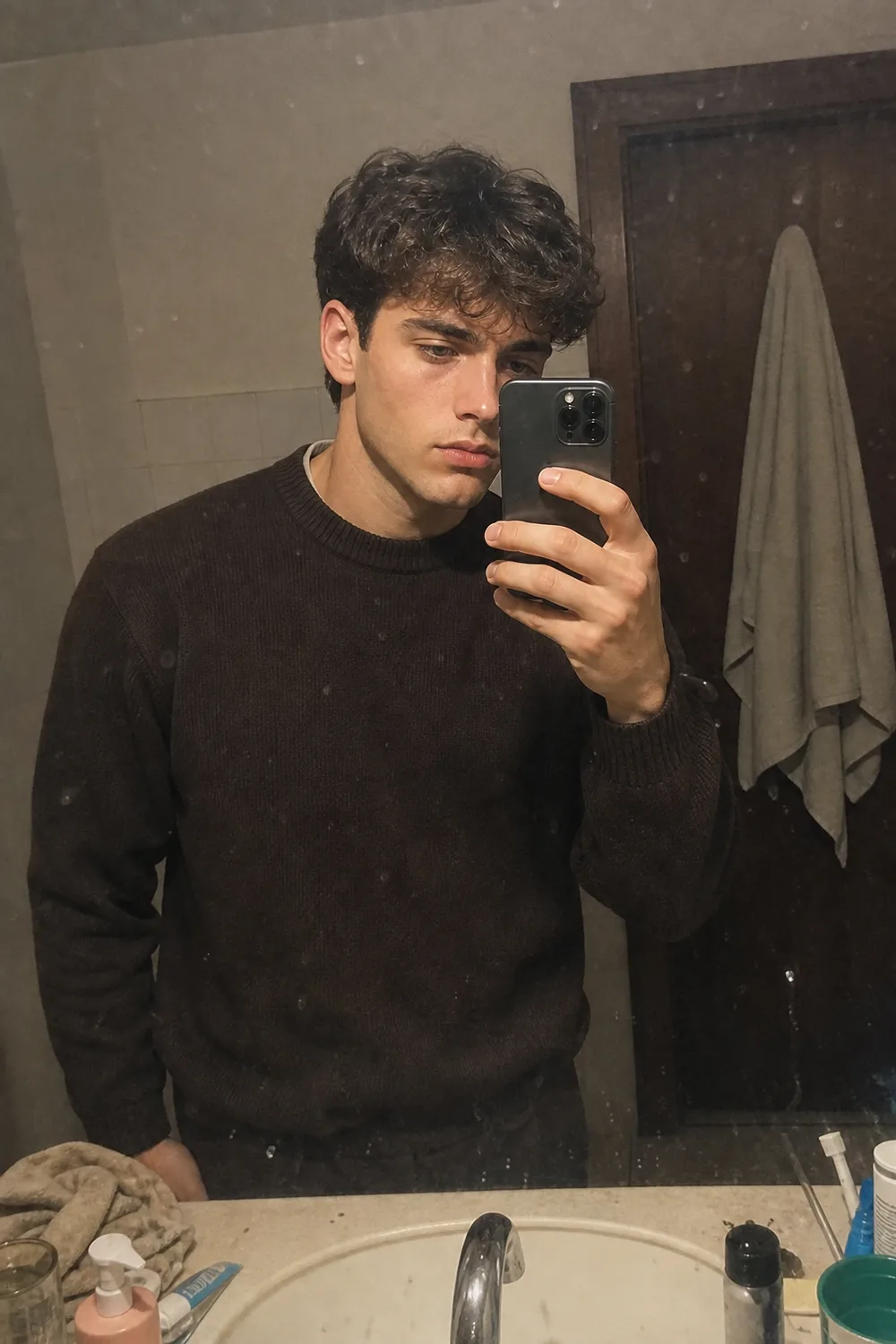 Before
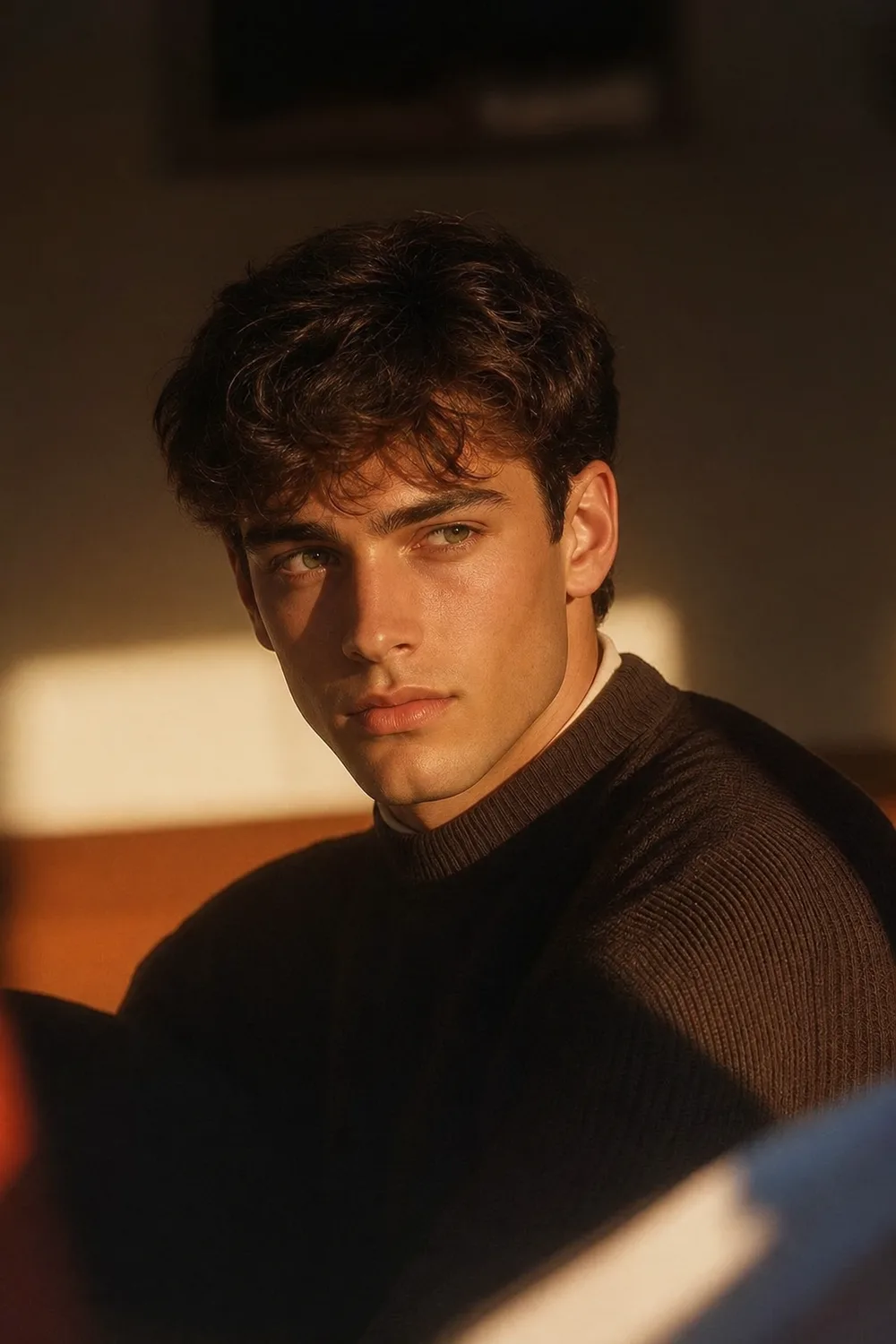 After
AfterStudio / Private by design
See yourself shot properly.
Use our AI dating photo generator to create profile pictures from four everyday selfies. Your uploads are encrypted, never used to train AI, and become inaccessible five days after upload.
Or quick sign-in from here
Why a consistent “photo brand” matters on dating apps
A photo brand is a compact visual shorthand: consistent outfits, colors, lighting and posture that let someone form a quick, reliable impression across thumbnails and profile galleries.
Research and platform reporting (Match Group/Kinsey summaries covered broadly in major press) show AI is more common, but daters still prize authenticity. Consistency reduces cognitive load and makes profiles more memorable, improving initial evaluation speed and perceived credibility.
Behaviorally, a cohesive set helps viewers judge lifestyle fit faster. A tradeoff exists: heavy AI polish can boost visual appeal but harm trust. The best practice is a hybrid approach—one or two clearly authentic photos plus AI-enhanced or AI-generated variations that follow the same photo brand.
Photo-brand basics: anchor shots every profile needs
Build a reliable set before you iterate with AI. At minimum, include these shots:
- Head-and-shoulders close-up with eye contact and a natural smile.
- Full-body or 3/4 shot showing posture and proportions.
- Lifestyle/hobby shot that signals interests (hiking, cooking, pet).
- Social proof image (friends or a pet) for context and trust.
Anchor AI images to real photos by keeping at least 1–2 clearly authentic images in the top slots of your profile. This reduces perceived deception and aligns with platform verification trends.
Practical framing tips for thumbnails: use a medium close crop (head and upper chest), keep the face at the center-thirds, and ensure lighting separates the face from the background so thumbnails read clearly on small screens.
Sample disclosure line (clear, candid): “Main pic lightly AI-enhanced for lighting — other photos are real.” Place this near the top of your bio if you use AI.

Outfit templates by vibe (copy-and-paste examples)
This outfit-first approach keeps your set coherent: pick templates and reuse core items across headshots, full-body and lifestyle images. Templates below are ready to copy for men and women, with photo notes for mobile readability.
Casual / Everyday
Men: A well-fitted solid tee (navy, charcoal, white) with a denim jacket or lightweight overshirt, clean sneakers and a minimal watch. Avoid loud logos.
Women: A fitted knit or blouse in a flattering mid-tone, high-waist jeans or a simple skirt, and minimal jewelry. A casual jacket (utility or denim) works for full-body shots.
Color suggestions: mid-tones like navy, olive and warm gray photograph reliably on small screens. Avoid tiny checks or micro-patterns that create moiré on thumbnails.
How to use across shots: for a headshot, crop to shoulders with the tee or knit visible; for a full-body, show the same jacket or shoes to keep the outfit cue consistent.
Outdoorsy / Active
Men & Women: Layer a technical jacket or fleece over a colored base layer (burnt orange, forest green), neutral pants (charcoal or tan) and sturdy boots or trail trainers. Add a backpack or bike as a prop to signal activity.
Texture advice: natural, slightly rugged fabrics (wool, denim, canvas) read as authentic and photograph well in daylight. Avoid slick synthetic shine that can look inexpensive in photos.
Shot ideas: walking on a trail, mid-step on an urban greenway, or a candid with a bike—these reinforce the active vibe and reduce perceived staging.
Date-night / Elevated
Men: A tailored blazer or leather jacket over a simple shirt (solid white, deep burgundy), paired with dark jeans or slim tailored trousers. Keep accessories minimal—one watch or ring is enough.
Women: A simple dress in a jewel tone (emerald, sapphire, wine) or a silk blouse with tailored trousers. Subtle jewelry (small hoop earrings, delicate pendant) complements without distracting.
Lighting tips: aim for soft directional light such as golden hour or a diffused window source. Minimal retouching keeps the image believable while flattering skin tones.
Cozy / Intimate
Choose warm, relaxed pieces: chunky sweaters, scarves, corduroy or soft-wool layers in camel, rust, or cream. Relaxed fits convey approachability and comfort.
Backgrounds: homey settings like a bookshelf, kitchen counter, or a couch with warm textiles help this vibe land. These images often convert well because they invite conversation and feel low-pressure.
Color palettes that photograph well (and the rules to follow)
Certain palettes consistently flatter skin tones and pop on small app thumbnails. Use these rules to build consistent sets.
- Jewel tones: emerald, sapphire, deep burgundy—these add saturation without blowing highlights and flatter many complexions.
- Neutrals: navy, charcoal, olive, camel—convey competence and pair easily across outfits for cohesion.
- Contrast rule: make sure the face separates from the background. If you have dark hair, wear a lighter top or pick a darker background; reverse for light hair.
- Avoid: tiny busy patterns, neon colors, and large logos or text that compete with your face at thumbnail size.
Quick palette pairings by vibe:
- Casual: navy + warm gray + olive accent.
- Outdoorsy: forest green + burnt orange + tan.
- Date-night: deep burgundy or sapphire + charcoal or black.
- Cozy: camel + rust + cream.
Repeatable AI prompt formulas to generate matching outfits
Consistency in prompts produces a family of images that read like a single photo brand. Build prompts that lock key outfit elements and lighting mood, then vary pose and background.
Headshot prompt formula (fill placeholders):
"Photorealistic head-and-shoulders portrait of [gender], ~[age] years old, [skin tone], [hair color and style], wearing a [outfit item, color], warm natural smile, soft window light from [direction], shallow depth of field, realistic skin texture, minimal retouching, [background: e.g., coffee shop with bokeh], 50mm portrait framing, photorealistic."
Full-body / lifestyle prompt formula (matching outfit):
"Full-body candid photo of [same subject description], wearing the same [outfit items], walking on [location], golden-hour lighting, natural motion, candid laugh, realistic fabric textures, handheld camera look, consistent color grading with headshot."
Variation rules:
- Keep identical: core outfit items (jacket, sweater color), lighting mood (warm/neutral), and key facial features.
- Vary: pose, activity, background and minor accessories (scarf, backpack).
Practical prompt tips and reference-photo anchoring
Whenever possible, upload 2–3 real reference photos to an AI service. This preserves identity cues and reduces uncanny artifacts.
Ask for realistic skin pores, asymmetrical hair strands and minor imperfections to avoid the telltale AI-smooth look. Avoid prompts that change race, major age bracket, or identifying features—both for ethical reasons and to reduce platform risk.
Privacy tip: review the tool’s terms on image retention and training. Prefer services that allow deletion of uploads and do not claim indefinite training rights on your images.

Ethical A/B test method to measure match lift (short protocol)
Principles: focus on meaningful engagement—matches that lead to messages and in-person dates—rather than vanity metrics like raw swipe counts.
- Create two profile variants: A = mostly-authentic (real photos + minimal edits); B = matched set with an AI-enhanced main photo anchored by the same real secondary photos.
- Keep bio, age, location, and secondary images identical across variants.
- Run each variant for equal time blocks (48–72 hours) during comparable hours and on the same app/region to reduce algorithmic skew.
- Track these metrics: swipe-right rate, match rate, message initiation rate, % of matches with >3 messages, and number of in-person dates if feasible.
- Analyze results for both statistical and practical significance: small percent lifts may not be meaningful if they don’t convert to real conversations or dates.
Ethical step: keep at least one or two clearly real photos visible in both variants and be ready to disclose if asked. Never create fully synthetic identities for live testing.
Do’s and Don’ts for AI wardrobe styling
- Do: keep real anchors in your set, standardize lighting and outfit color across images, and disclose briefly if you used AI.
- Do: prioritize conversion metrics that matter (messages, dates) and test ethically rather than chasing swipe-rate spikes.
- Don’t: replace all real images with synthetic ones or impersonate a different race/age; this damages trust and may violate platform rules.
- Don’t: over-retouch to the point of erasing natural features—this is an authenticity red flag in conversations and verification checks.
- Tool caution: avoid services that claim unlimited rights to train on your photos without clear consent or deletion options.
Quick comparisons: pro photos, light edits, AI generation
Pros of a short pro photoshoot: higher perceived authenticity, professional lighting, and versatile raw files for editing. Cons: higher cost and scheduling needs.
Pros of AI-generated headshots: fast outfit/color iterations and lower cost per variation. Cons: potential uncanny artifacts and trust risks if overused.
Light editing apps strike a middle ground—improving exposure and removing minor blemishes while keeping the original person intact. Best practice: combine a brief pro shoot (3–5 good photos) with AI variations anchored to those real images.
Final checklist and 7-day experiment to try this week
One-page checklist to get started:
- Pick your photo brand: choose 2–3 outfit items and a color palette.
- Take or select 2 real anchor photos (headshot + lifestyle).
- Create an AI headshot using the headshot prompt formula and upload 1–2 reference photos.
- Generate 1–2 full-body/lifestyle AI variations that use the same outfit color and lighting mood.
- Add a brief disclosure line in your bio (if you used AI).
- Run a 72-hour A/B test comparing Mostly-authentic vs AI-enhanced main photo; track swipe-right rate, match rate, message initiation rate, and >3-message percent.
- Iterate based on conversion to real conversations and dates, not just swipes.
Call to action: try this seven-day experiment, record the recommended metrics, and adjust your photo brand based on meaningful engagement.
Conclusion
AI can help you build a cohesive, polished photo brand for dating apps—if you use it to standardize outfits, colors and lighting while keeping authentic anchor photos. Follow the outfit templates, color rules, prompt formulas and ethical A/B test above to iterate responsibly and measure real-world lift in conversations and dates.
Be transparent, prioritize conversation conversion, and treat AI as an enhancement—not a replacement—for genuine representation.
Questions, answered.
01Are AI-enhanced dating photos allowed on major apps and should I disclose their use?+
Generally yes—major apps don’t universally ban AI-enhanced photos but require you to represent yourself accurately, and enforcement varies. Because verification tools and community trust matter, a brief, factual disclosure (for example: “main pic lightly AI-enhanced”) reduces perceived deception and aligns with emerging ethical guidance from industry reporting and Kinsey/Match findings.
02Will AI photos actually increase my matches or just reduce authenticity?+
AI photos can increase visual polish and sometimes lift initial engagement, but heavy or obvious AI edits often reduce trust and lower conversion to real conversations and dates. Research and platform reporting recommend using AI selectively—one enhanced headshot anchored by real lifestyle and full-body images—to balance better first impressions with long-term authenticity.
03How many AI images is too many—what’s the safe mix of real vs AI photos?+
A safe rule is to keep at least 1–2 clearly real photos in a 4–6 photo set and limit AI-enhanced or generated images to one primary headshot or one supporting image. Match Group/Kinsey reporting and practitioner tests show hybrid profiles (mostly real, one tasteful AI image) perform better than fully synthetic sets and reduce the risk of being flagged or disappointing matches in person.
04How do I write prompts so AI outfits match across headshot and full-body images?+
Start with a repeatable prompt template that names the exact outfit items, color, lighting mood and camera framing (e.g., “navy crew-neck sweater + dark jeans, warm window light, 50mm portrait framing”). Anchor prompts to a reference photo when possible and request realistic skin texture, consistent color grading and the same key outfit details so headshot and full-body images read as the same outfit in different contexts.
05What metrics should I track to know if my AI-enhanced photos help real-life dates?+
Track meaningful engagement steps: swipe-right and match rate, message-initiation rate, proportion of matches that exchange more than three messages, and number of in-person dates arranged. Prioritize conversion metrics (messages → dates) over vanity lift in swipes, run short A/B tests with identical bios and real-photo anchors, and record results in equal time windows for reliable comparison.
Author / reviewed profile
James Park
James Park is a relationship researcher and digital marketing specialist who studies how visual presentation impacts online dating success. His research on dating app profile optimization has been cited in academic journals and popular media. James holds an M.S. in Social Psychology from UCLA.