
AI Outfit Changes for Dating Photos: 6 Looks from 1 Shoot
Learn a verification-safe workflow to turn one real photo session into six realistic AI outfit variations. Includes copy-paste prompts, wardrobe rules, identity preservation, and a simple A/B test.
Want more variety in your dating profile without multiple expensive shoots or risky edits?
AI outfit change dating photos: you can create six realistic outfit variations from one real photo session by following a verification-safe AI workflow. Capture an anchor shot plus an unedited verification selfie, use outfit-change tools with a “preserve face” setting, follow wardrobe rules for clean swaps, and run a simple A/B test to measure match lift.
This article gives a step-by-step shoot checklist, exact prompt examples, wardrobe rules that maximize realistic AI conversions, how to preserve facial identity for app verification, and a 2-week A/B test plan.
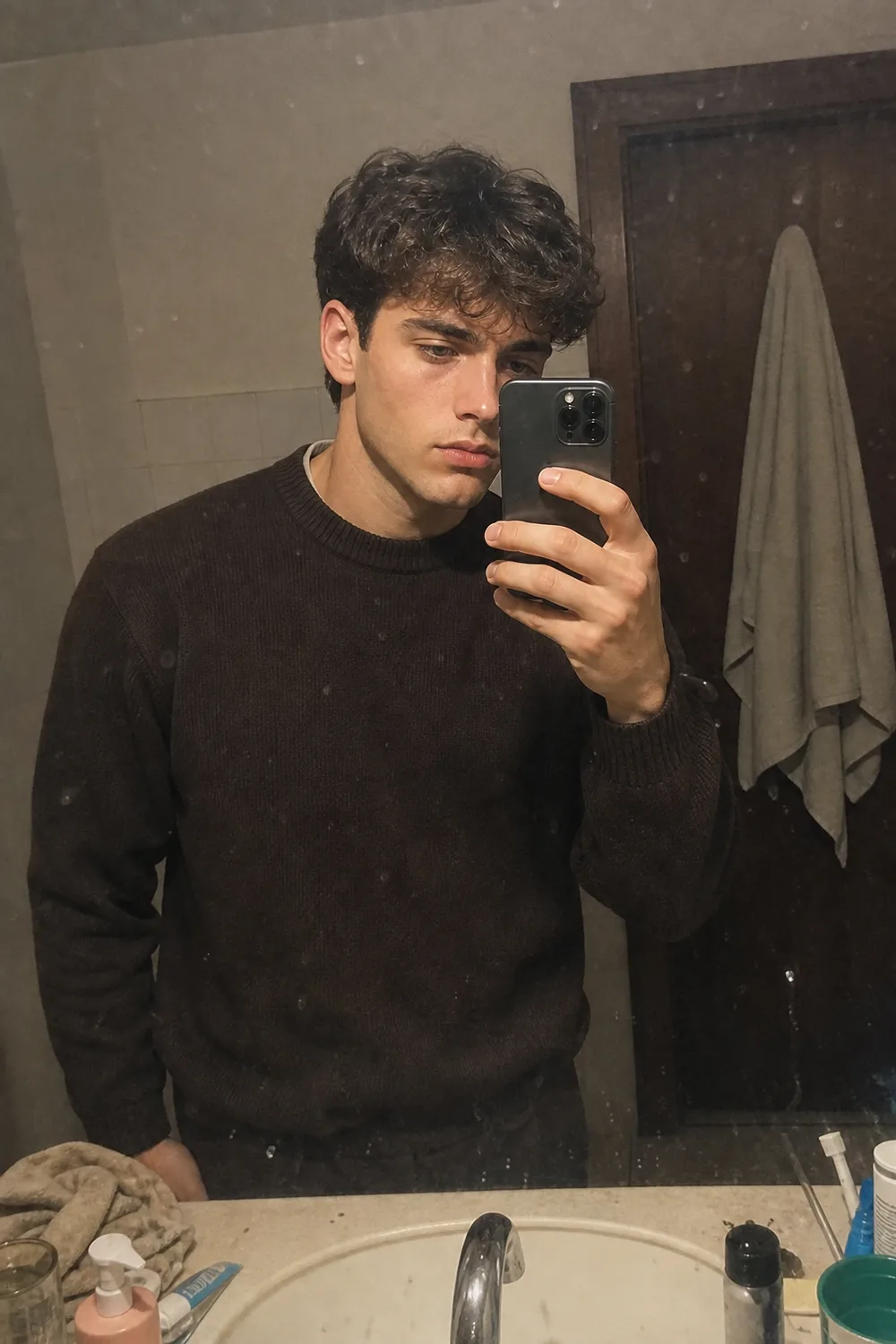 Before
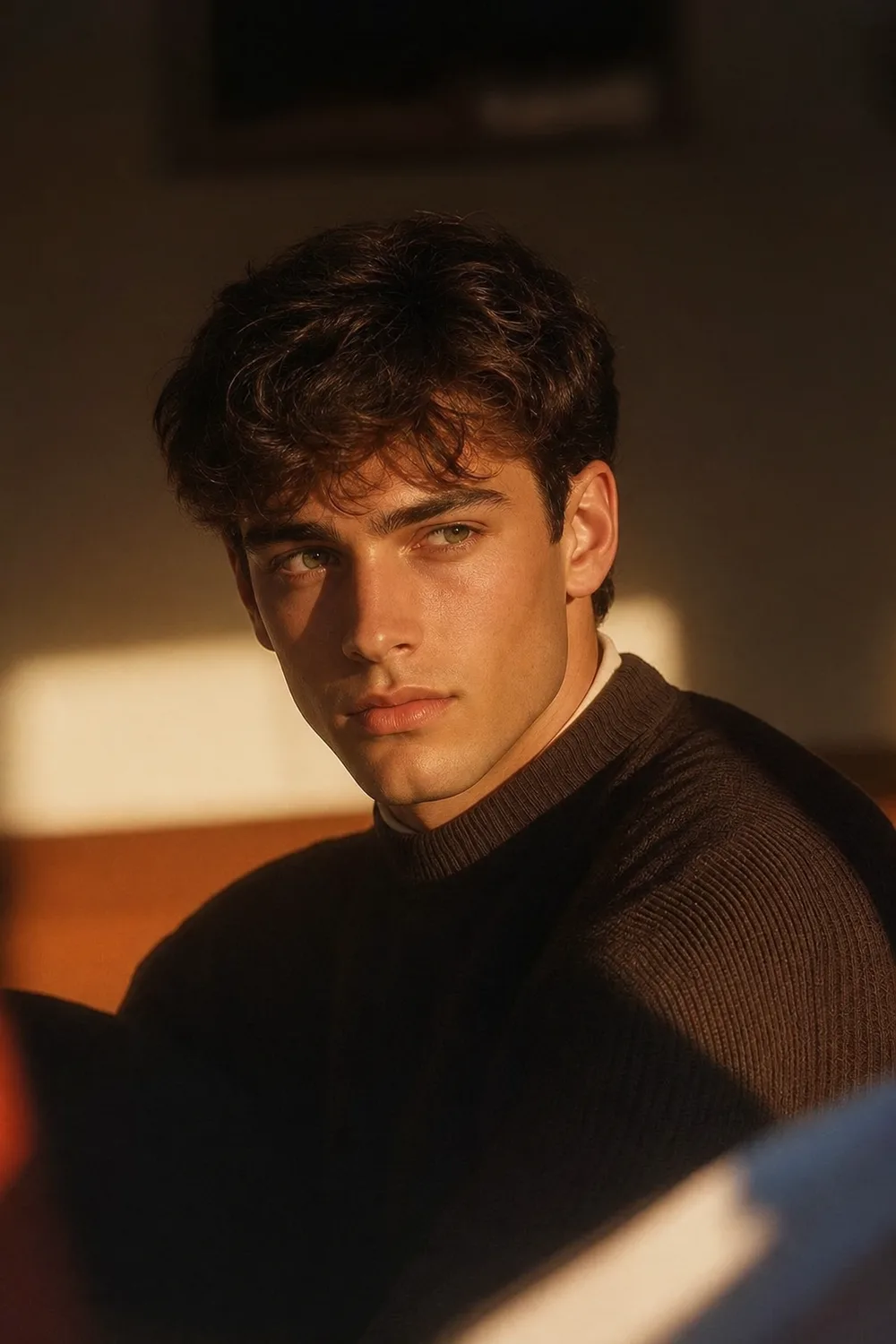 After
AfterStudio / Private by design
See yourself shot properly.
Use our AI dating photo generator to create profile pictures from four everyday selfies. Your uploads are encrypted, never used to train AI, and become inaccessible five days after upload.
Or quick sign-in from here
Why better photos and variety matter on dating apps
Higher-quality photos and varied outfits materially improve dating-app performance. Photo-rating services and industry tests show that better lighting, composition, and authenticity can lead to multi‑fold increases in matches and replies.
Multiple outfits tell different stories (career, casual, sporty) and provide more conversation starters, increasing perceived attractiveness and approachability.
One short professional or DIY session plus AI outfit swaps multiplies perceived variety at a fraction of the cost of multiple shoots—giving you six distinct looks from one hour of work.
How dating-app verification works — what to avoid
Most major apps run a liveness/selfie verification flow that compares a live selfie or short video to profile photos. Tinder’s Face Check™ and Bumble’s Photo Verification are notable examples.
These systems match facial geometry and identifying marks; large differences between the verified selfie and profile images can trigger flags, requests to reverify, or temporary restrictions.
Practical rule: treat verification as a primary safety constraint. Do not alter the face, hairline, major identifying marks, or overall head shape in AI edits intended for live apps.
The 60-minute real photo session you need (capture checklist)
Spend about 60 minutes in one session to capture everything you need for safe AI outfit changes.
- Anchor shots: one straight-on head/torso shot and one 3/4 upper-body shot. Keep camera at eye level; face should occupy ~30–40% of the vertical headshot frame.
- Lighting & focal length: use soft, frontal or 45° side light. Avoid extreme wide-angle lenses that distort proportions; aim for 50–85mm equivalent focal length.
- Verification selfie/video: record the app-required selfie or short liveness video in the same session. Follow the app prompts and save the unedited file—this is your verification anchor.
- Expressions: capture a natural smile, a neutral look, and a slightly serious expression. These make it easier to generate variations that read as authentic.
- Background & accessories: use a plain or subtle background, minimal reflective jewelry, consistent hairstyle, and no heavy filters.

Wardrobe selection rules that make AI outfit changes believable
Choosing the right starting clothes and target outfits dramatically reduces artifacts and produces believable results.
- Start simple: wear a plain, solid-color shirt or thin sweater as the shoot base. This gives AI a clean clothing region to replace.
- Match silhouette: prefer target outfits that follow the original sleeve length and basic silhouette (long sleeve → long sleeve, fitted → fitted). Radical silhouette changes increase artifact risk.
- Avoid problem elements: logos, dense patterns, reflective jewelry, lace overlays, or hair covering the shoulders make swaps harder.
- Bring references: gather good reference photos of each desired outfit (front angle, similar lighting) to supply to the tool when supported.
Six recommended outfit categories to create from one shoot:
- Business casual (blazer + button shirt)
- Smart evening (darker tailored look / dress)
- Casual weekend (denim jacket + tee)
- Sporty (athletic hoodie / zip top)
- Creative / hipster (patterned shirt, textured layers)
- Neutral color variant (same style, different safe color)
Step-by-step AI outfit-change workflow (tools, order, safety)
Pick one or two outfit-change tools and test them on low-risk images first. Tools like StarryAI, VEED, and Pict.ai are examples—each has different strengths and face-preserve options.
- Folder & prompt log: work non-destructively. Keep originals in a master folder, create subfolders per outfit, and log the exact prompt and tool settings used.
- Run per-outfit batches: for each of the six outfits, run 3–6 variations and pick the best. Export each candidate as a separate file with metadata (tool+prompt).
- Editing order: outfit swap → choose best variants → minor non-face touchups (color balance, crop). Avoid any edits that change facial features.
- Preserve face: enable the tool’s “preserve face” or “keep identity” flags. If a tool regenerates the face by default, avoid it for verified profile photos.
- Compare tools: different engines produce different artifacts—try two tools for the same prompt and pick the cleaner result.
Exact prompt examples you can copy and adapt
Use these six prompts verbatim or adapt style/fit/color. Always include a clear “do not alter face” clause.
- Business casual: "Replace the current shirt with a navy tailored blazer over a white button-down shirt. Keep the same pose, face, and lighting. Keep sleeves natural to the wrist, realistic fabric texture, subtle ambient reflections. Do not alter the face, hairline, or body shape."
- Smart evening: "Change outfit to an elegant dark burgundy cocktail dress (or dark tailored shirt and blazer for a man). Maintain original pose and lighting. Preserve facial features exactly, no heavy retouching of face."
- Casual weekend: "Replace clothing with a fitted light denim jacket over a charcoal tee. Preserve the face, hair, and background. Ensure natural shadows and realistic sleeve edges."
- Sporty: "Swap clothes to a breathable athletic hoodie (charcoal) with visible zipper and relaxed fit. Keep original pose, avoid face modification, match ambient lighting and shadowing."
- Creative / hipster: "Change outfit to a patterned short-sleeve button-up (small floral print, blue tones). Keep the original head/face and background, natural fabric folds and color shading."
- Neutral color variant: "Keep same garment style but change color to forest green and adjust small details (buttons) only. Do not change face, hair, background, or body shape."
If the tool supports a reference image, attach a clear, front-facing photo of the target garment and add brief camera/lighting notes (e.g., "soft front light, 50mm, natural shadow").
How to preserve facial identity (verification-safe editing tips)
Always keep the session verification selfie unedited and use it to complete any app liveness checks. This is your primary verification anchor.
- Turn off face-regeneration/identity-swap features and avoid prompt language that targets facial features (no “sharpen jaw,” “bigger eyes”).
- Keep hair, facial hair, glasses, and identifying marks consistent across images. Drastic hair changes are the biggest mismatch risk.
- If conservative touchups are necessary (lighting, small blemish removal), do them on a copy and keep at least one exact unedited image visible in your profile.
Post-edit quality control checklist before uploading
Run a quick QC to avoid obvious issues that trigger verification or suspicion.
- Face match: side-by-side compare edited images with the verification selfie; check moles, eyebrow shape, and jawline.
- Color & lighting: ensure skin tone remains consistent and shadows align with the scene.
- Background & crop: keep aspect ratio and framing consistent across profile photos.
- Metadata: remove any internal tool tags that overtly state an image was edited; retain an unedited photo for verification.

Simple A/B test plan: measure match lift in 2 weeks
Run a controlled test to measure whether your AI-edited photos increase matches.
- Baseline (7–14 days): record current metrics—matches, matches per 100 swipes, conversations started—using your existing profile.
- Variant setup: replace the primary photo (and optionally 1–2 secondaries) with AI-edited versions. Keep bio, age, location and activity constant.
- Test duration: run the variant for 14 days (longer if swipe volume is low). Track the same metrics as baseline.
- Normalize metrics: use matches per 100 swipes as the primary KPI to control for differing swipe volumes.
- Analyze & iterate: look for directional lifts (e.g., 20–50%); if sample sizes are small, treat results as indicative not definitive. Keep the best primary photo and swap secondaries one at a time to isolate effects.
Optional: pre-test top edits with Photofeeler or a small impartial panel to check perceived authenticity and friendliness before going live.
Risks, ethics, and app-policy notes
Verification systems may temporarily store face-maps or verification metadata; check the app’s help center for retention and privacy details.
Do not alter facial identity—doing so risks failing verification, misrepresentation, and ethical concerns. Be prepared to disclose honest use of AI if asked by a match.
Never edit a third party’s likeness without consent. If privacy or authenticity is a high priority, prefer a professional shoot instead of heavy AI editing.
Quick example workflow recap (one-paragraph checklist)
Shoot anchors + unedited verification selfie → choose simple base wardrobe + bring reference images → run six outfit prompts (3–6 variations each) with a face-preserve flag → QC side-by-side with verification selfie → upload with one unedited verification image visible → run a 2‑week A/B test and iterate.
Tools & sources (recommended)
- AI outfit-change tools to test: StarryAI, VEED, Pict.ai (try two and compare outputs).
- Dating-app verification pages: Bumble Photo Verification, Tinder Face Check™ for verification guidelines and policies.
- Photo-testing: Photofeeler for pre-release authenticity and attractiveness feedback.
Conclusion
You can realistically get six believable outfit variations from one 60-minute shoot by following a verification-safe AI workflow: capture a clean anchor + unedited verification selfie, pick simple base clothing, use face-preserve flags and high-quality prompts, QC carefully, and validate with a short A/B test.
Try this workflow on one shoot, run the 2-week test, and keep the highest-performing photos as your profile’s core. If you want, I can also produce a downloadable one-page checklist or an A/B test spreadsheet to track results.
Questions, answered.
01Will dating apps ban me for using AI-outfit edited photos?+
Unlikely to be banned for swapping outfits alone, provided you preserve your face and complete any app verification with an unedited selfie or liveness check from the same shoot. Apps focus on identity mismatch rather than clothing changes, so keep facial features, hair, and key marks identical and follow the app’s verification flow to avoid flags.
02Can AI outfit changes make my profile fail verification?+
Yes—if the edited images alter facial features, hair, or identifying marks so they no longer match your verification selfie, automated systems can fail or prompt reverification. Use a dedicated unedited verification selfie from the same session, enable “preserve face” options in tools, and avoid prompts that modify eyes, jawline, or skin tone.
03Should I ever edit my face with AI for dating photos?+
Generally no—do not alter facial structure or identity for dating profiles because it risks verification failure and crosses ethical lines. Minor, conservative fixes (lighting, skin cleanup) are acceptable on copies, but always keep at least one exact unedited photo for the verification flow and for transparency with matches.
04How many edited photos should I include vs unedited verification photos?+
Include a mix: keep at least one unedited verification selfie (or minimally retouched shot) and use 3–5 AI outfit variants as the rest of your visible set, depending on the app’s photo limit. This preserves verification credibility while giving variety; swap one edited photo at a time during A/B tests to isolate impact.
05Is it worth using AI outfit changes vs hiring a photographer?+
Both have value: a professional shoot yields consistently high-quality, authentic photos but costs more, while AI outfit changes multiply looks from a short real shoot at low cost. The recommended hybrid is a brief session to capture authentic expressions and a verification selfie, then use AI outfit change dating photos to create six believable variations and test match lift.

Author / reviewed profile
Emma Blake
Emma Blake is a dating coach and portrait photographer with 8+ years of experience helping singles improve their online dating profiles. She has worked with over 2,000 clients and her advice has been featured in Cosmopolitan, Elite Daily, and The Dating Insider. Emma holds a B.A. in Psychology from NYU.