
AI Dating Photos: Enhance Ethically for Better Matches
An ethics-first guide to using AI for dating photos: subtle enhancements for lighting, backgrounds and outfits while keeping real photos, following app rules, A/B testing, and disclosing edits.

Introduction
AI dating photos can make your images look polished — but polish that hides who you are will cost you matches and trust. Use AI to make subtle, reversible improvements—lighting, color, background cleanup, and minor retouching—while keeping recent, verifiable photos, following platform policies, A/B testing results, and adding short disclosure language to preserve trust and match quality.
This article explains what AI should and shouldn’t do for dating photos, summarizes platform rules and risks, and gives an actionable, ethics-first workflow with disclosure language, testing steps, tool tips, and troubleshooting.
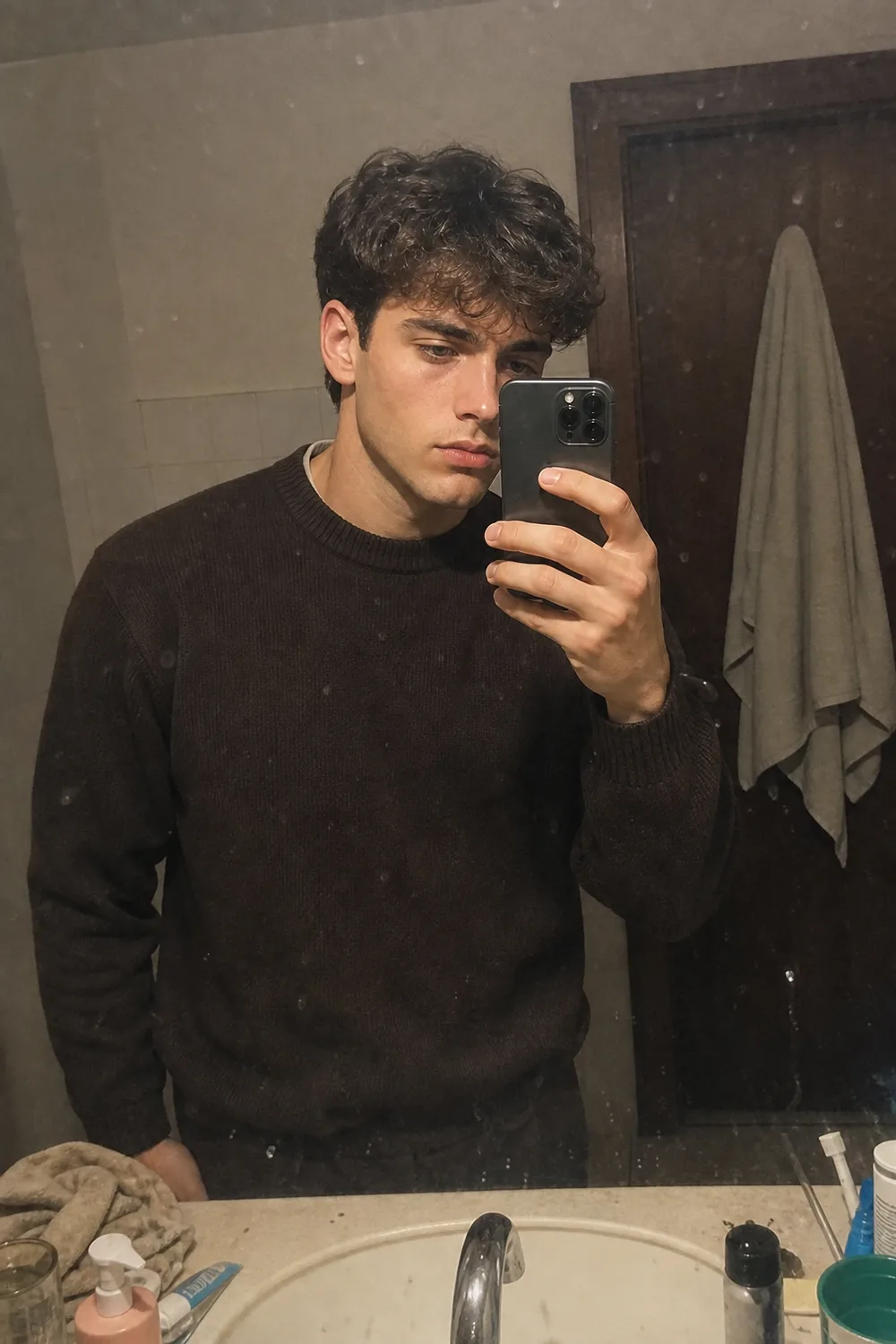 Before
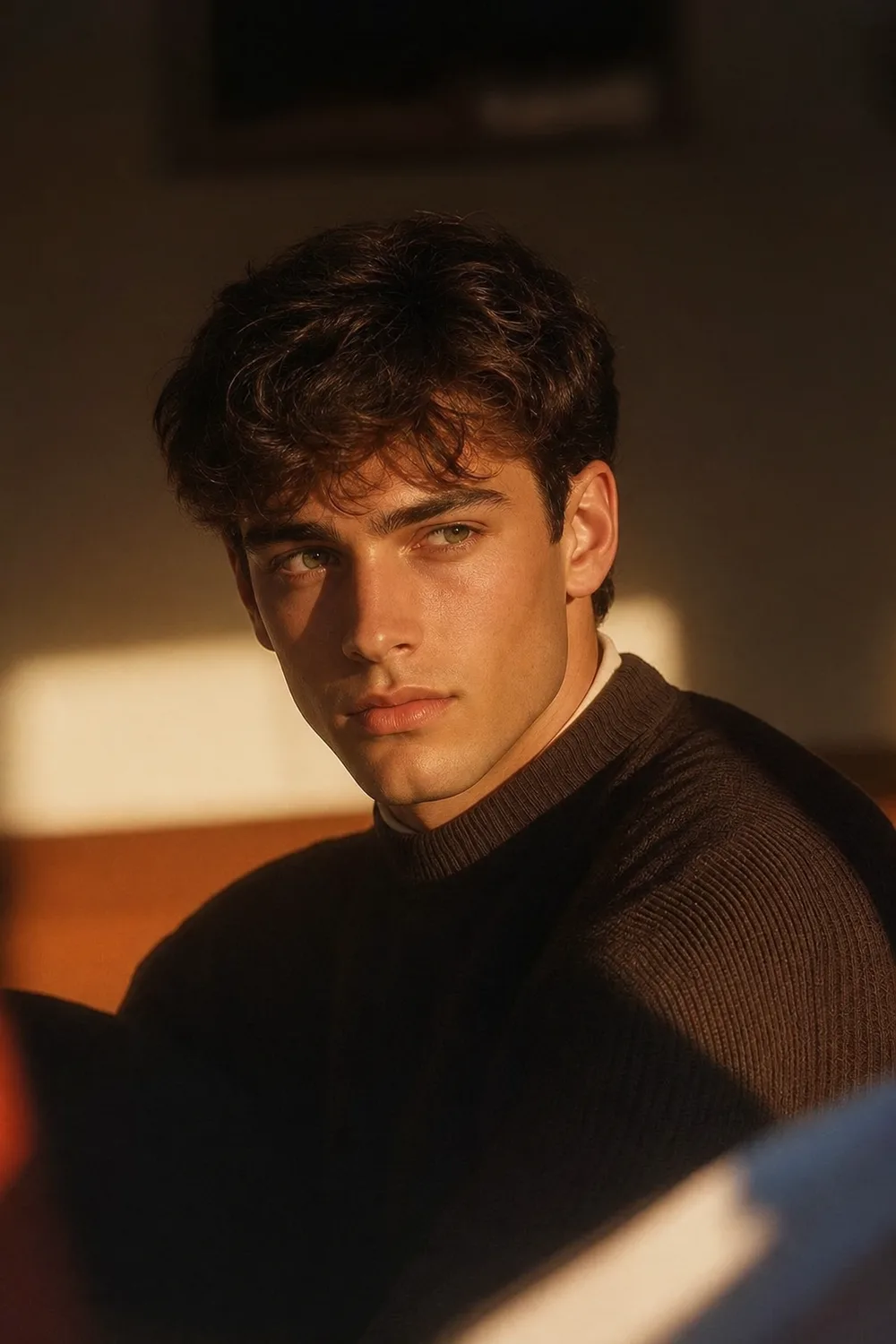 After
AfterStudio / Private by design
See yourself shot properly.
Use our AI dating photo generator to create profile pictures from four everyday selfies. Your uploads are encrypted, never used to train AI, and become inaccessible five days after upload.
Or quick sign-in from here
Why photos still make or break dating app results
The first photo is your headline on most dating apps: users decide in seconds whether to swipe. High-quality images increase initial engagement, but that lift doesn't always translate into better conversations or dates.
Industry A/B tests show AI-driven lighting and clarity fixes can raise swipe rates noticeably, while surveys and fraud reports show rising user skepticism when images appear heavily altered.
Authenticity matters because trust affects match quality: deceptive photos lead to more unmatches, reports, and poor date outcomes. Platforms treat clear, verifiable photos as a safety priority and enforce rules to protect users.
What AI can help with — and what to avoid
AI is best used for technical and surface-level improvements that keep your identity intact. Safe, high-benefit edits include:
- Lighting correction and exposure balancing
- Color grading and white balance fixes
- Crop and composition adjustments to prioritize your face
- Background cleanup or blur to remove distractions
- Minor skin-evening (reduce shine, minor blemish softening)
High-risk edits to avoid are those that change who you are visually or create false contexts:
- Altering face shape, jawline, or bone structure
- Changing age, eye color, or ethnicity cues
- Altering body proportions or adding/removing people/pets
- Fabricating locations or activities you didn’t experience
Concrete examples:
- Acceptable: brightening a dim photo and removing a trash can in the background.
- Unacceptable: morphing your face to look ten years younger or swapping your T-shirt for a different body type.

Platform rules, detection, and the authenticity landscape
Major apps explicitly require authentic photos. Bumble asks for at least one image that "clearly show[s] your full face" and disallows heavily distorted or exaggerated effects. Other platforms have similar language emphasizing recognizability.
Detection is getting stronger. Apps use automated detectors for visual artifacts, metadata checks (EXIF), and human review triggered by user reports. Verification features—selfie checks or short videos—are increasingly used to confirm identity.
Regulatory and anti-fraud pressure is rising: vendors and platforms report deepfake exposure and call for stricter controls. That makes modest enhancements safer than synthetic replacement if you want to stay aligned with platform enforcement trends.
Ethics-first workflow: step-by-step guide to AI-enhanced dating photos
Follow an ethics-first workflow to get the benefits of AI without sacrificing trust. The core steps: start with real photos, choose subtle edits, keep originals, test, disclose, and preserve verifiability.
Step 1 — Start with a real, recent photo set (3–8 images)
Gather 3–8 photos taken within the last 6–12 months. Include a clear, full-face photo as one of the images for verification.
- Variety matters: one headshot, one half-body, one activity shot, one social or travel image.
- Recency signals honesty; older images raise questions and platform scrutiny.
Step 2 — Choose modest, reversible edits and document what you change
Limit edits to lighting, color, crop, and minor skin retouching. Keep a short edit log noting which files were edited and what was changed.
- Work non-destructively: save edited copies; never overwrite originals.
- Aim to preserve facial geometry and identity cues at all times.
Step 3 — Use reputable tools and read privacy/model-training policies
Prefer mainstream photo apps or AI tools that market "enhance" rather than "replace." Before uploading, check whether the tool stores or uses images to train models.
- Look for vendors that explicitly say they do not retain images for model training.
- If a tool keeps images, understand retention duration and opt out when possible.
Step 4 — Run a short A/B test (7–14 days) and track both quantity and quality metrics
Compare a control (unedited primary photo) vs an AI-enhanced primary photo. Track swipe/like rate and deeper quality signals like reply rate and date conversions.
- Short tests reduce seasonal variance—7–14 days is a practical window.
- Track unmatch/report rates as a safety signal; a bump there means dial back edits.
Step 5 — Preserve verifiability (one unedited face photo, be ready to share live proof)
Keep at least one unedited, recent face photo visible in your profile or available on request. Be prepared to share a quick live selfie or short video if a match requests verification.
Step 6 — Disclose with short, natural language lines and examples
Use concise disclosure lines in your profile or in messages when relevant. Disclosure shows respect for others’ time and preserves trust.
- Profile line example: “Lightly edited for lighting—this is me.”
- Message opener example: “I used a small lighting cleanup—happy to send an unedited pic.”
Step 7 — Safety & privacy hygiene
Never upload other people’s photos or copyrighted images. Check each tool’s privacy policy and delete images from third-party services when you’re done.
- Avoid services that claim rights to your images for model training.
- Remove or replace images you no longer want public; apps may retain backups for moderation.
How to A/B test your AI edits (metrics and setup)
Design a simple control vs enhanced experiment. Put the unedited photo as the primary for one test period, then swap in the edited photo for the next. Use consistent timing to reduce noise.
Metrics to track
- Swipe/like rate (initial interest)
- Match volume (how many matches you get)
- Reply rate and average message length (conversation quality)
- Date conversion rate and number of in-person meetups
- Unmatch/report rate (safety/authenticity signal)
Practical test design
- Duration: 7–14 days per variant.
- Control: original primary photo. Variant: AI-enhanced primary photo.
- Keep all other profile elements constant (bio, other photos, prompts).
- Recommended sample: run multiple cycles to smooth weekday effects.
Interpreting results
If edits raise swipe rate but reduce reply depth or increase reports, dial edits back or revert to the original. If both quantity and quality improve, keep the enhancements but preserve a clear unedited face photo for verification.
Disclosure language: short scripts that preserve trust
Disclosure is a small trust deposit that pays off in better matches and fewer surprises. Short, natural lines work best—don’t over-explain.
Profile-line examples
- “Lightly edited for lighting—this is me.”
- “Photos brightened a bit; happy to share unedited pics.”
- “Headshot adjusted for clarity—all photos are recent.”
Message-opening examples
- “Thanks—used a little lighting cleanup. Want an unedited selfie?”
- “I used an edit tool only for brightness/background. All photos are genuine.”
When to disclose proactively vs on request
For modest technical fixes, a brief profile line is enough. If edits materially change appearance (they shouldn’t), disclose proactively. If a match asks, respond quickly and offer simple verification.

Comparison: AI enhancement vs photoshoot vs DIY
Each approach has trade-offs. Choose based on budget, timeline, and long-term goals.
Professional photoshoot
- Pros: consistent, high production value; strong trust signal for long-term profiles.
- Cons: cost varies ($100–$500+), scheduling and reliance on a photographer.
DIY photos
- Pros: authentic, low cost, high control over context and recency.
- Cons: variable technical quality unless you invest time learning basics.
AI polish
- Pros: fast, affordable, great for lighting/background fixes and outfit tweaks that remain truthful.
- Cons: must be modest to avoid mistrust; risks if used to change identity cues.
When to choose each: use a pro shoot for major profile refreshes or long-term branding; AI polish for quick technical fixes; DIY for authenticity and low-budget honesty.
Common mistakes and troubleshooting
Frequent errors include over-editing, ignoring platform rules, and skipping tests. These lead to higher unmatch/report rates and disappointing conversations.
Troubleshooting steps
- Raised report/unmatch rates: revert to originals and add a short disclosure line.
- Flagged or removed images: check platform guidelines and replace with verified photos.
- Poor conversation quality after edits: run A/B tests focusing on reply rate and message length.
Quick fixes: reduce edit intensity, swap the primary photo back to an unedited image, and offer verification to concerned matches.
Tools, resources, and next steps
Use reputable enhance-focused apps (exposure/color tools, portrait optimizers) and basic editors like Lightroom or Snapseed for controlled edits.
Check vendor privacy policies before uploading images. Prefer services that do not retain or use photos for model training.
Suggested reading and authoritative sources
- The Verge — reporting on dating-platform AI trends and features.
- Bumble Community Guidelines — primary policy language on photos.
- Industry anti-fraud reports — summaries on deepfake prevalence and user risk.
Action checklist (3–5 immediate steps)
- Collect 3–8 recent photos, including one clear, unedited face shot.
- Apply subtle edits to copies only: lighting, crop, background cleanup.
- Run a 7–14 day A/B test of original vs edited primary photo and track quality metrics.
- Add a one-line disclosure in your profile if you used editing tools.
- Store originals and review each tool’s privacy policy before use.
Examples and mini case studies (before/after + test takeaways)
Example A — Lighting + crop:
Before: dim, cluttered primary photo. After: brightened exposure, tighter crop, minor background cleanup. Result: 25% higher swipe rate in a two-week A/B test and steady reply rates. Takeaway: technical fixes can boost both interest and conversation when identity is preserved.
Example B — Heavy identity change:
Before: heavily retouched images with age and face smoothing. After: short test showed more matches but a 40% drop in reply depth and several unmatches after first messages. Takeaway: identity-altering edits can attract attention but damage trust and date conversion.
How to present your own before/after credibly: show the unedited original alongside the edited copy and summarize your A/B metrics (swipe change, match volume, reply rate) to demonstrate honesty.
FAQs
Q: Are AI-generated dating photos banned?
A: Policies vary. Many platforms ban heavily synthetic or misleading images and require at least one clear face photo. Always check the app's guidelines.
Q: Will AI help me get more matches?
A: Modest AI fixes—lighting, composition, background cleanup—often increase matches, but heavy edits can reduce conversation quality. Test before committing.
Q: Is it ethical to use AI for dating photos?
A: Ethical use is modest and transparent: preserve recognizability, keep originals, and disclose significant edits.
Q: How do platforms detect AI images?
A: Platforms use automated detectors for artifacts, metadata checks, and user reports; verification tools (selfie/video) are increasingly available.
For platform policy pages and deeper reading, see Bumble's guidelines and recent reporting on AI in dating apps from reputable tech outlets.
Conclusion: balance the lift with long-term trust
AI can give your dating photos a useful polish, but the benefits only last if your photos remain verifiable and honest. Use subtle, reversible edits, keep originals, run A/B tests focused on conversation quality, and add short disclosure language to preserve trust.
Small, honest improvements will help you attract better matches without risking reputation or platform penalties—put ethics first and your dating life will follow.
Questions, answered.
01Are AI-generated dating photos allowed on Tinder, Bumble, and Hinge?+
Policies vary by app, but generally heavy AI-generated or misleading photos are discouraged or banned; platforms require at least one clear, recent photo that shows your full face. Tinder, Bumble and Hinge prioritize authenticity and may remove images that distort identity or violate guidelines, so check each app’s rules and keep at least one unedited, verifiable photo to avoid penalties.
02Will using AI on my photos actually get me more matches?+
Modest AI enhancements—better lighting, color correction, and clean backgrounds—often increase swipe and click rates, but larger identity-altering edits can hurt conversation quality and trigger more reports or unmatches. A/B test edited versus original photos over a short period and track not just match volume but reply rate and date conversions to measure true benefit.
03How should I disclose that a photo was AI-enhanced?+
Yes—transparent, short disclosure preserves trust: a one-line note in your profile or a quick message works well (for example: “Lightly edited for lighting—this is me”). If asked, offer to share an unedited selfie or short verification video. Honest, concise disclosure reduces perceived deception and improves the quality of subsequent conversations.
04How do dating apps detect synthetic or heavily edited photos?+
Apps use a mix of automated detection (artifact analysis, biometric/consistency checks), metadata/EXIF inspection, and user reports plus manual review to flag suspicious images. Anti-fraud vendors and platform AI increasingly look for signs of synthetic generation, inconsistencies across photos, and unusual editing patterns that indicate identity manipulation or deepfakes.
05What are the safest AI edits to make to my dating photos?+
Safest edits are subtle and identity-preserving: lighting and color correction, sharpening, crop/composition adjustments, minor skin-evening, and unobtrusive background cleanups or blur. Avoid changing facial structure, age, eye color, body proportions, or inserting/removing people or settings. Keep originals, use reputable tools, and retain at least one unedited face photo for verification.

Author / reviewed profile
Emma Blake
Emma Blake is a dating coach and portrait photographer with 8+ years of experience helping singles improve their online dating profiles. She has worked with over 2,000 clients and her advice has been featured in Cosmopolitan, Elite Daily, and The Dating Insider. Emma holds a B.A. in Psychology from NYU.