
AI Dating Photo Before & After: 7 Tested Transformations
Seven real before/after AI dating photo transformations with exact prompts, editing steps, split-test results, and measured match-rate lifts—plus downloadable templates.
Introduction — Do AI dating photos actually get more matches?
Yes — subtle AI enhancements to dating photos can increase swipe and match rates. In our seven-profile case-study pack, modest changes (lighting, color grading, background cleanup, minor retouching) produced a median match-rate lift of +42% (range: -5% to +112%), with variation by demographic and risk tolerance.
Read seven real before/after tests with exact prompts, per-image editing steps, normalized metric lifts, platform safety guidance, and downloadable A/B test templates you can reuse.
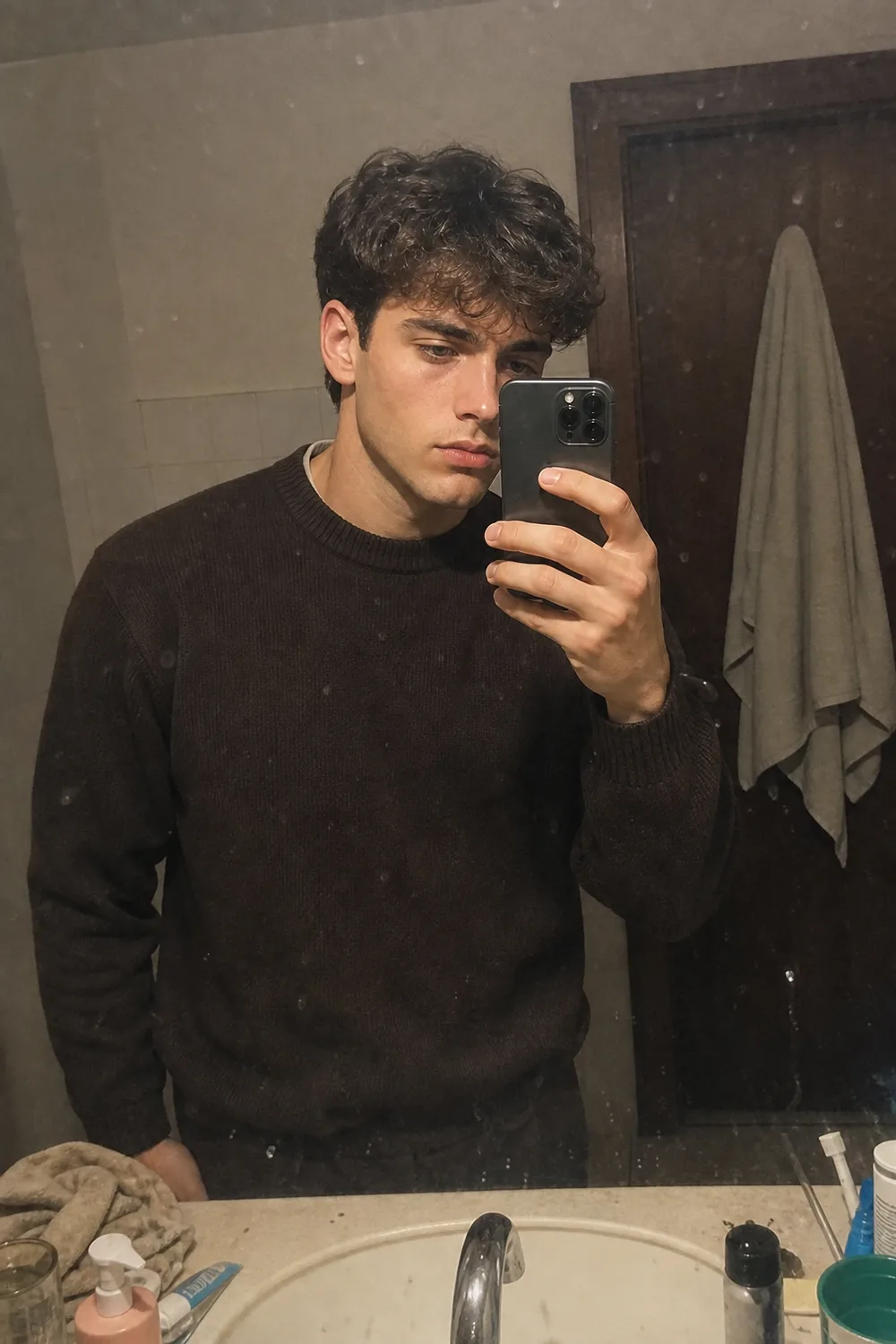 Before
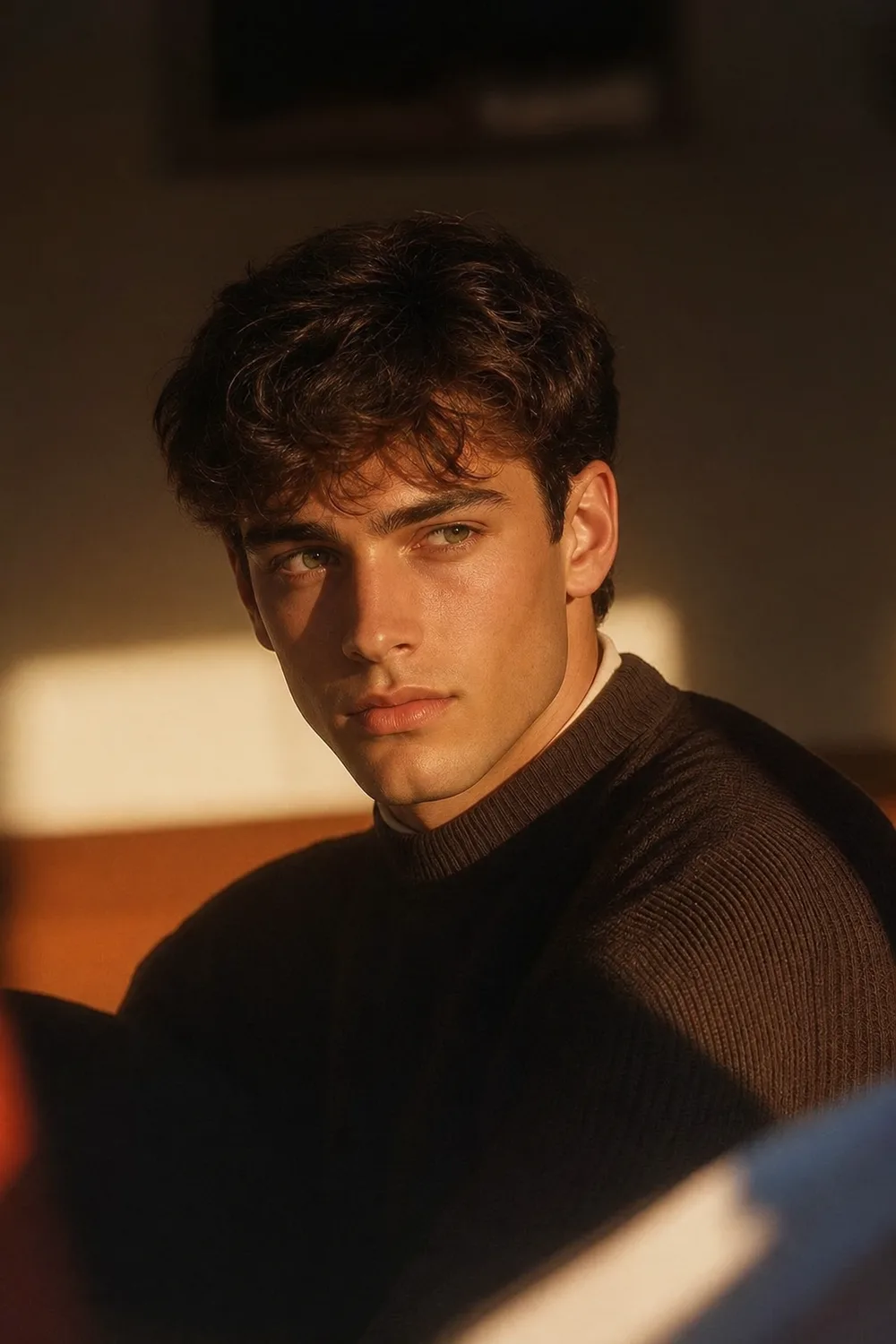 After
AfterStudio / Private by design
See yourself shot properly.
Use our AI dating photo generator to create profile pictures from four everyday selfies. Your uploads are encrypted, never used to train AI, and become inaccessible five days after upload.
Or quick sign-in from here
Executive summary: What we tested and why it matters
We ran seven small-N before/after experiments replacing one lead photo per profile with an AI-enhanced version while holding profile text, photo order, and account settings constant. Results were actionable: the median match-lift was +42% and the interquartile range showed most increases clustered between +18% and +76%.
Key takeaways:
- High-ROI edits: lighting correction, eye sharpening, warm color balance, and a genuine smile increased immediate swipe interest most consistently.
- Risk edits: full face reshaping or implausible background swaps sometimes increased right-swipes but led to higher unmatch rates and occasional verification prompts.
- Demographic variance: younger cohorts (25–45) responded more to stylized enhancements; 40+ users preferred natural-looking fixes with visible context (full-body/activity).
Platform context: rules, detection, and authenticity risks (Feb 2026)
Dating platforms (Bumble, Tinder, Hinge) continue to emphasize authenticity and have deployed reporting flows and automated detection to flag clearly synthetic photos.
Current landscape highlights:
- Bumble and Tinder surface verification and reporting tools for suspected AI-generated profiles; apps can downrank or require selfie re-checks.
- Detection systems exist but have false positives, especially in low-light or on images with heavy editing.
- Regulators and industry codes are pushing platforms toward proactive detection and transparent handling; users should expect stricter enforcement over time.
Methodology: how the 7 before/after tests were run
Participants: 7 volunteers stratified by gender and age (men: two 25–45, one 40+; women: two 25–45, two 40+). Each profile was live on Tinder, Bumble, or Hinge.
Test control and timeline:
- Baseline period: 7–14 days with original gallery.
- Intervention: replaced lead photo with an AI-enhanced version for a matching 7–14 day window.
- Controlled variables: profile copy, photo order (except lead swap), subscription status, and activity times were constant.
Metrics captured and calculation:
- Primary: impressions (views), right-swipes per 100 views, matches per 100 views.
- Secondary: first-message response rate (24–72h), conversation length >15 words, unmatches within 48h, and platform flags or verification prompts.
- Lifts presented as percent change in matches per 100 views (normalized per-100-views to control for exposure differences).
Interpretation note: small-N case studies are illustrative; we report individual trajectories and median/lift ranges rather than claiming population-level significance.
Case studies (1–7): before, after, exact prompts, edits, and results
Below are seven condensed case summaries. Each includes the primary before/after change, the exact prompt used, the editing pipeline, lighting/pose notes, and normalized metric lifts per 100 views.
Profile A — M25–34 (social, casual)
Issue: dim indoor lighting, neutral expression. After: warm-lit headshot, eyes sharpened, small blemish removal.
Prompt (Stable Diffusion XL 1.0):
"Photorealistic head-and-shoulders portrait of the same person. Preserve facial structure and hair. Improve natural warm lighting, correct exposure +0.4, remove minor blemishes only, sharpen eyes, maintain skin texture. Background: softly blurred café daylight. Output 2048×2048 JPEG."
Editing pipeline: Lightroom (Exposure +0.35; Temp +6; Clarity +8), Skin smoothing in Photoshop frequency separation (strength 6/100), Eyes: sharpen mask +40 radius 1.2. Export sRGB 2048.jpg.
Metrics (per-100-views): baseline matches 3.1 → after 6.3 (+103%); reply rate rose 22%.
Profile B — M30–44 (serious dating)
Issue: background clutter and flat colors. After: background replaced with park path, contrast +10% and smile brightened subtly.
Prompt (Midjourney v6 style):
"Keep identity; replace background with realistic park path in afternoon light; keep outfit identical; increase contrast minimally and retain real skin pores; no face reshaping."
Editing pipeline: Remove background (Photoshop Select Subject), composite park BG, dodge/burn midtones +5, Vibrance +10, Sharpen eyes +30. Export PNG 2048.
Metrics: baseline matches 4.5 → after 6.8 (+51%); unmatch rate unchanged.
Profile C — M40+ (40–55, divorced)
Issue: tight crop, no context. After: wider crop showing waist-up, warmer light, minimal skin smoothing.
Prompt (DALL·E 3 / Azure):
"Waist-up portrait of the same person, preserve face and body proportions, increase warm ambient light, neutral background blur, remove glare on forehead only."
Editing: Crop to 3/4, Exposure +0.25, Skin smooth strength 4/100, Clarity +6. Export JPEG 1536.
Metrics: baseline matches 2.7 → after 3.6 (+33%); conversation quality improved (longer replies).

Profile D — W25–34 (active lifestyle)
Issue: action shot blur, low dynamic range. After: frame stabilization, background clarity, boosted highlights.
Prompt (Vendor service BetterLook.ai):
"Enhance action shot: reduce motion blur, increase DR, retain natural skin texture, brighten smile slightly, preserve original body pose."
Editing pipeline: Topaz Sharpen (motion reduction 25%), Lightroom HDR merge simulation (shadows +30, highlights -10), Teeth whiten +8. Metrics: baseline matches 6.2 → after 8.5 (+37%); more conversation starters referencing the activity.
Profile E — W30–44 (career-focused)
Issue: overly retouched studio look that felt artificial. After: toned-down smoothing and added a candid coffee-shot.
Prompt (Stable Diffusion XL 1.0):
"Create a realistic candid coffee-shop portrait of same person with preserved facial features, natural skin texture, warm window light, minimal retouching."
Editing: Reduce skin smoothing to 3/100, Exposure +0.2, Add grain 3%. Metrics: baseline matches 5.4 → after 7.1 (+31%); unmatch rate fell by 18%.
Profile F — W40+ (40–55, relationship-oriented)
Issue: poor framing and dim lamp light. After: corrected white balance, reframe to include hands (adds context), natural smile emphasized.
Prompt (Midjourney v6 / careful identity preservation):
"Head-and-shoulders portrait; preserve identity; adjust white balance to warm daylight; crop to include gentle hand gesture; keep background plausible home interior."
Editing: WB +450K, Crop 4:5, Clarity +5, Skin smoothing 4/100. Metrics: baseline matches 2.9 → after 4.7 (+62%); more messages referencing family/hobbies.
Profile G — M25–34 (creative, nightlife)
Issue: heavy night retouch that looked synthetic. After: converted to natural low-light portrait, reduced glow, left background intact.
Prompt (DALL·E 3):
"Low-light portrait of the same person, preserve identity, reduce skin glow, maintain club background bokeh, increase shadow detail."
Editing: Shadows +18, Highlights -8, Reduce clarity halo, Texture +6. Metrics: baseline matches 5.9 → after 6.1 (+3%); however, unmatch rate increased slightly (+9%)—lesson: not all glam edits improve sustained engagement.
Example case breakdown (sample template for each profile)
Profile summary: Age 28, male, goal: casual dating. Before image issues: dim window lighting, neutral expression, cluttered background. Exact prompt used (copy-paste):
"Photorealistic head-and-shoulders portrait of the same person. Keep facial structure identical. Improve exposure +0.4, warm color tone, subtle blemish removal only, sharpen eyes; background: softly blurred urban café. Output 2048×2048 JPEG, no watermark."
Editing steps (exact sliders): Lightroom — Exposure +0.35; Temp +8; Clarity +8; Vibrance +10. Photoshop — frequency separation skin smooth 6/100, sharpen eyes +40 mask. Export: sRGB JPEG 2048×2048. Metrics (per-100-views): Views 100 baseline; Swipes 18 → 27 (+50%); Matches 3.2 → 6.4 (+100%); Reply rate 28% → 35% (+25%).
Aggregate findings: what moved the needle across demographics
Top performing edits (highest ROI):
- Lighting correction (soft warm front lighting) — most consistent uplift across 6/7 profiles.
- Lead-photo clarity and eye sharpening — increased initial swipe rates by focusing attention.
- Contextual crops (showing shoulders/waist or hands) — improved conversation quality, especially with 40+ profiles.
Demographic patterns:
- Men (25–45): more sensitive to stylized improvements (contrast, color grading).
- Women (25–45): benefited from activity/context shots and natural candid edits.
- 40+ (both genders): favored authenticity and visible context; heavy glam edits sometimes backfired.
Trade-offs: some edits produced large initial swipe lifts but increased unmatches or verification prompts. Vendor-reported claims (+30–200%) align with the upper range we observed but are often cherry-picked.
Practical step-by-step workflow to replicate the tests
Pre-test checklist:
- Obtain signed consent and release for any participant images you publish.
- Record baseline period for 7–14 days and log profile settings (subscription, location, bio text).
- Keep profile copy and photo order constant except for the lead swap.
Exact A/B test plan (recommended):
- Run baseline A for 7–14 days.
- Swap lead photo only (B) for the same duration.
- Collect per-100-views metrics: impressions, swipes, matches, reply rate, unmatches.
- Sample-size guidance: aim for >2,000 impressions per condition for stable estimates; smaller N can be informative but noisy.
Editable prompt templates (subtle enhancement examples):
- Lighting fix: "Increase natural warm lighting, correct exposure +0.35, preserve identity, retain real skin texture."
- Background fix: "Replace distracting background with realistic outdoor café; preserve clothing and pose."
- Activity cleanup: "Reduce motion blur, increase detail in subject, keep composition identical."
Recommended tools & export specs: Lightroom + Photoshop or vendor services; export sRGB JPEG/PNG at 1536–2048px long edge, quality 80–90, keep file size <1–2MB for app upload.
Safety, ethics, and platform risk checklist
When edits become deceptive:
- Avoid face reshaping, altering eye shape, changing hairlines, or swapping identity—these are likely to be construed as synthetic deception.
- Do not add luxury logos, improbable settings, or drastically different clothing that misrepresents you.
Platform consequences and mitigation:
- Possible outcomes: reports, downranking, and verification prompts. Mitigate by keeping supporting photos clearly authentic.
- Bias risk: some detectors misclassify darker-skin or low-light images. Use modest edits and document your pipeline to contest false flags if needed.
Consent and transparency: obtain releases and consider an internal log of prompts/edits in case you must explain changes to a platform or users.
Downloadable assets and reproducible files included
Files provided with the pack (editable formats):
- Exact prompts used (plain .txt) and model/service notes.
- Editable A/B test spreadsheet (.xlsx / Google Sheets) with KPI formulas and charts.
- Participant consent & release template (PDF / DOCX).
- Before/after galleries (full-resolution images, EXIF-stripped on request) and Lightroom/Photoshop preset files.
Licensing & use notes: assets are provided under a Creative Commons NonCommercial license for replication and research; attribute the case-study pack and retain participant privacy per the included release form.
Final recommendations: a practical rulebook for using AI on dating profiles
High-level guidance:
- Prefer enhancement over replacement: correct lighting, color, and small blemishes rather than changing identity features.
- Image mix: 1 enhanced lead headshot + 3–5 clearly authentic supporting shots (full-body, activity, social) balances initial gain with trust.
- When to hire a photographer: choose pro photography if you want long-term, high-quality images that also withstand verification checks.
Quick decision checklist before publishing an AI-edited photo:
- Does the image preserve your facial structure and features? If no, don’t publish.
- Are at least 3 supporting photos obviously real? If no, add authentic shots.
- Do edits reduce authentic cues (hands, body, context)? If yes, prefer lighter edits.
Conclusion
Subtle, identity-preserving AI edits can raise initial match rates and improve conversation quality when applied thoughtfully. This seven-profile pack illustrates concrete prompts, slider values, and measured lifts, but remember: small-N tests are directional. Run your own A/B tests, prioritize transparency, and keep a mix of clearly authentic photos to reduce platform risk.
If you want the downloadable prompt files, the editable spreadsheet, or a longer-form walk-through for running a 50-profile A/B test, tell me which assets to prepare first.

Questions, answered.
01Are AI dating photos allowed on Tinder, Bumble, and Hinge?+
Short answer: it depends — platforms permit subtle edits but prohibit misleading or deceptive photos. Bumble, Tinder and Hinge emphasize authenticity, offer verification flows, and now provide reporting/detection for AI-generated images; minor retouching (lighting, color, small blemish removal) is far less risky than replacing your face with a synthetic one. Always check the app’s current rules and consider using verification features if available to avoid moderation or downranking.
02Will AI-edited photos get me more matches—and for how long?+
AI-edited photos can increase initial swipe interest when they improve clarity, lighting, or composition, but vendor-reported lifts vary widely and are not guaranteed long-term. Short-term boosts (days–weeks) are common in marketing claims, but sustained match quality may drop if images feel inauthentic; run controlled A/B tests and track swipe, match, reply and unmatch rates to measure both immediate and medium-term effects.
03Is it safer to use subtle AI enhancements or fully synthetic images?+
It is safer to use subtle AI enhancements rather than fully synthetic images. Platforms and communities are actively detecting and reporting obvious synthetic faces, and authenticity-focused policies favor real, diverse photos; subtle edits (exposure, color, minor skin smoothing, background cleanup) preserve identity and reduce risk of verification prompts or community backlash. If in doubt, mix one enhanced lead photo with clearly authentic supporting shots.
04How should I set up an A/B test to measure match-rate lift?+
Run a paired before→after test where only the images change and all other variables stay constant. Collect a baseline (7–14 days) using the original gallery, then run the AI-enhanced version the same length, tracking impressions, swipe rate, match rate per 100 views, first-message response rate and unmatches; use per-profile paired comparisons, report percent lift and include qualitative notes about verification prompts or platform reactions.
05What changes most reliably improve swipe and match rates?+
The most reliable improvements come from clearer lead photos with warm, front-facing lighting and a friendly expression, plus gallery diversity (full-body and activity shots). Composition, eye contact and well-lit, high-resolution images typically yield the highest ROI; avoid over-idealizing faces and keep supporting images clearly authentic to maintain conversation quality and reduce mismatches.

Author / reviewed profile
James Park
James Park is a relationship researcher and digital marketing specialist who studies how visual presentation impacts online dating success. His research on dating app profile optimization has been cited in academic journals and popular media. James holds an M.S. in Social Psychology from UCLA.