
Should You Post AI “Couple” Photos on Dating Apps?
Decide whether to use AI “couple” photos on dating apps with a practical framework: matchmaking effectiveness, authenticity & ethics, platform safety, editing prompts, disclosure copy, and safer alternatives.

Short answer: For most people, you should not post fabricated AI “couple” photos on dating apps; subtle AI enhancements to your own photo can help. AI couple photos dating apps trend may give short-term clicks, but fabricating a person risks lost trust, platform enforcement, and legal harms (FTC reported ~70,000 romance-scam victims in 2022 with ≈ $1.3B lost).
This post gives a pragmatic three-factor decision framework—matchmaking effectiveness, authenticity & ethics, and platform safety—to help you decide. You’ll get evidence, do’s and don’ts, safe AI prompts and editing tips, disclosure copy you can paste, verification/privacy tradeoffs, and safer alternatives that keep social proof without deception.
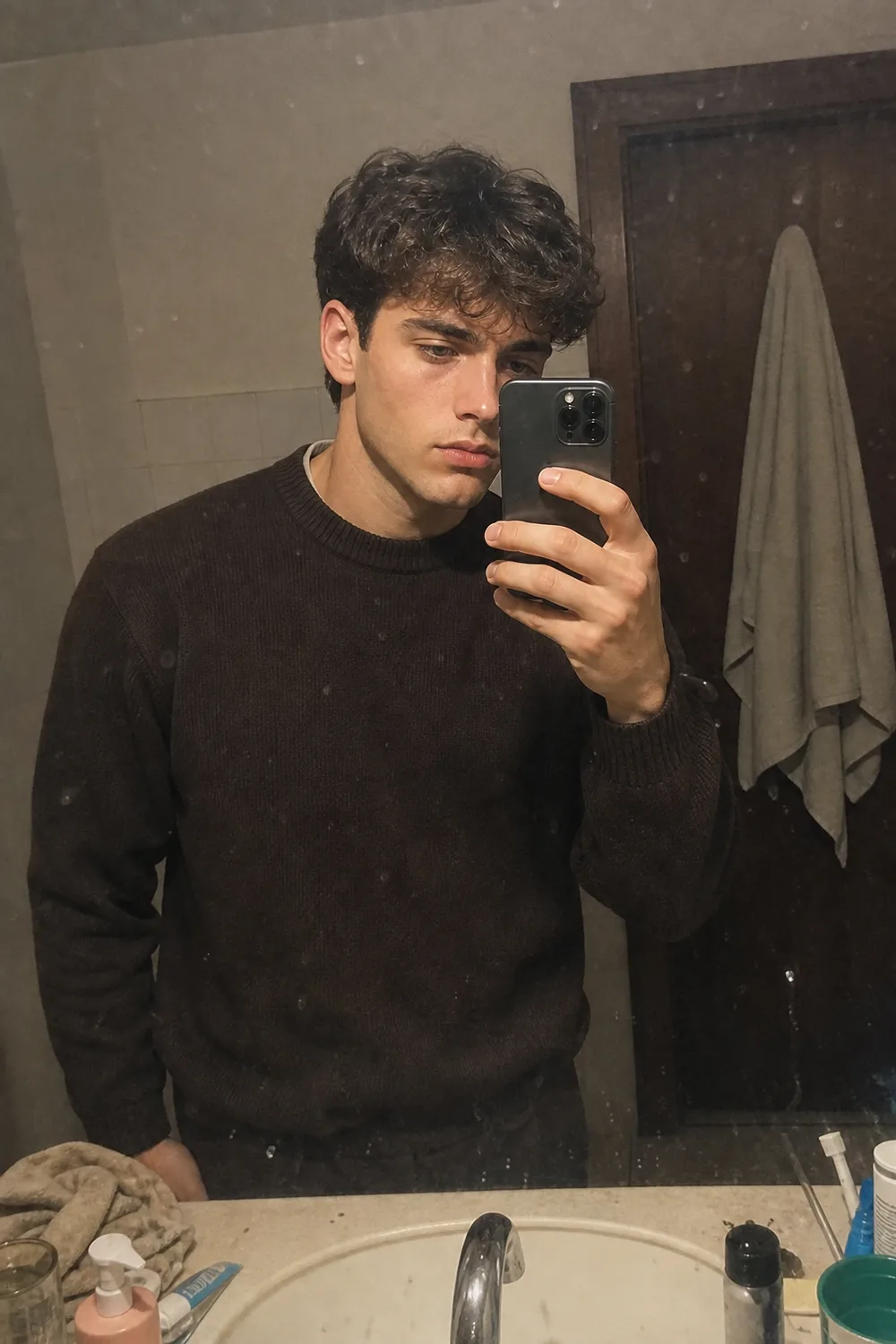 Before
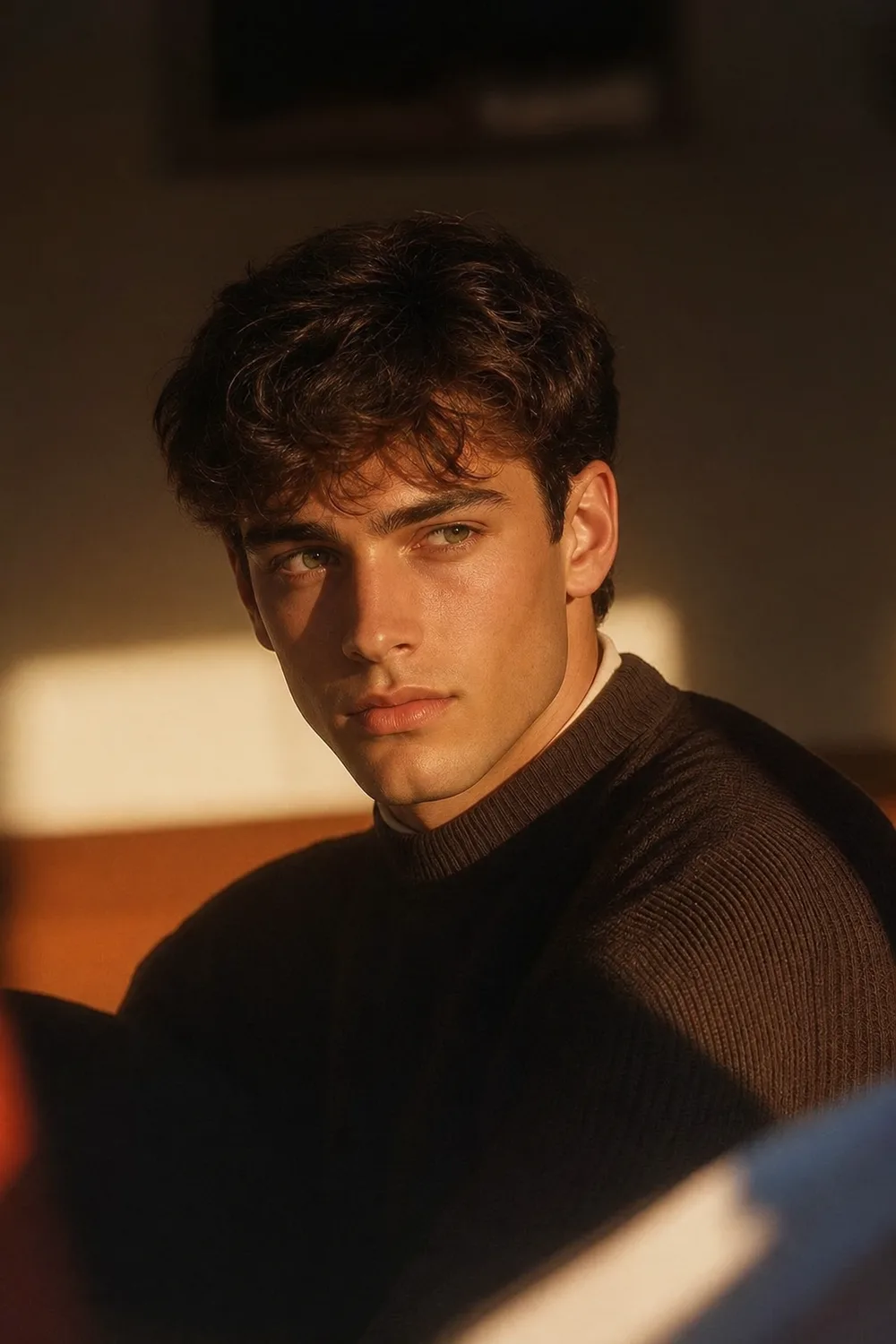 After
AfterStudio / Private by design
See yourself shot properly.
Use our AI dating photo generator to create profile pictures from four everyday selfies. Your uploads are encrypted, never used to train AI, and become inaccessible five days after upload.
Or quick sign-in from here
Quick verdict: should you post AI “couple” photos?
Practical verdict: don’t upload AI-generated images that add or invent a partner; use only subtle, honest edits to your own photo and balance them with real candid shots.
Rule-of-thumb: if an edit changes identity, adds another person, or creates sexualized imagery → don’t post it. The top risks are trust loss when discovered, platform removal or shadowbans, scams/sextortion amplification, and potential legal exposure under emerging deepfake laws.
When subtle edits are OK: mild lighting, color, crop, and blemish fixes on your own headshot—kept alongside unedited candid photos. When they’re not: adding a fake partner, cloning someone else’s face, or heavily altering age/body features.
Decision framework: three dimensions to evaluate AI couple edits
Use this quick, pragmatic framework before uploading any AI edit to a dating profile.
- Matchmaking effectiveness — Will the image actually improve meaningful matches?
- Authenticity & ethics — Does the edit mislead or use someone else’s likeness?
- Platform safety & privacy — Will the app flag it, or create biometric/privacy exposure?
Rate each prospective image green/yellow/red. If any dimension is red, don’t use it on a dating profile.
Fast action rule: if the edit changes identity or adds someone → don’t use it on dating apps; keep it for labeled creative posts or personal social media with clear disclosure.
Matchmaking effectiveness: will AI couple photos actually get you better matches?
Evidence summary: authentic photos and social-proof still outperform obvious fakes. Platforms and reporting suggest profiles with at least one clearly authentic photo generate more meaningful engagement than sets dominated by synthetic imagery.
Why social-proof works: photos showing you with friends, pets, or doing activities signal sociability and shared interests. A genuine couple or group photo can boost trust—if it’s real.
Use-case matrix:
- Subtle headshot enhancement: high ROI — improves clarity and attractiveness without misleading.
- Fabricated partner: low/negative ROI — may spike curiosity but often backfires when matches discover the deception.
- Stylized couple portrait (synthetic): medium-low — may look aesthetic but is likely perceived as fake on closer inspection.
Practical takeaway: prioritize a polished headshot plus multiple candid photos (friends, activities, full-body) rather than a single fabricated couple image. Authenticity converts into trust, which yields better conversations and dates.
Platform policies and detection: how apps respond to AI-generated images
Dating apps are actively updating tools and policies to detect and respond to AI-generated content. Bumble added an “AI-generated photos or videos” reporting option in mid‑2024; Match Group (Tinder, Hinge) enforces photo/video verification and retains limited verification artifacts.
What verification catches: short video selfies and live-photo checks match facial geometry to profile photos and can flag mismatches. Platforms may store audit images or biometric-derived templates (FaceVectors) to detect impersonation later.
Detection limits: there’s an ongoing arms race—automated texture checks, metadata signals, and human review combine to reduce fraud, but no system is perfect. Heavily edited or clearly synthetic sets increase the chance of user reports and enforcement.
Authenticity, ethics, and legal red lines
Ethical red lines include nonconsensual likeness use, inventing persons, and creating sexualized deepfakes or “nudified” images. These actions harm individuals and are the focus of growing legal and policy efforts.
Why disclosure matters: beyond ethics, disclosure manages expectations. Users expect authenticity; undisclosed synthetic images often feel like bait-and-switch and can lead to harassment or account action.
Legal context: laws and bills addressing nonconsensual deepfakes and intimate image abuse are evolving. Creating explicit or nonconsensual images can be illegal in many jurisdictions and expose you to civil or criminal liability.
Practical do’s and don’ts for AI edits on dating profiles
Clear do’s:
- Do subtle lighting, color, and exposure fixes on your own photos.
- Do remove temporary blemishes or stray hairs, keeping skin texture intact.
- Do keep multiple unedited candid shots in your profile to balance any edits.
- Do label or disclose material edits in brief profile copy if you’re concerned about transparency.
Clear don’ts:
- Don’t add or fabricate other people (partners, children, friends) without consent.
- Don’t alter facial geometry, age, or body proportions significantly.
- Don’t create sexualized or intimate deepfakes—these are unethical and often illegal.
Believability checklist (quick):
- Preserve skin texture and pores—avoid a plastic look.
- Maintain realistic shadows and reflections consistent with lighting.
- Use plausible backgrounds and avoid impossible locations or props.
- Include 3–4 candid photos (social, activity, full-body) to prove context.
Concrete AI prompts and editing tips (ethical & believable)
Note: use these only with your own photos. Do not use them to fabricate third parties or produce sexualized content.
Prompt templates for safe headshot enhancement (paste into an AI editor):
- “Enhance this photo: preserve the person’s facial features; subtly soften skin texture (no structural changes), improve exposure and warmth to natural daylight, remove temporary blemishes only, keep original hair/eye/tooth color, preserve realistic skin pores and shadows.”
- “Crop to a 4:5 portrait, add a soft background blur equivalent to f/2.8, correct white balance to neutral daylight, and subtly increase contrast—do not alter facial geometry or body proportions.”
Prompts for adding social context (without fabricating people):
- “Replace background with a realistic café interior at golden hour; match lighting and shadow direction to the subject; do not alter the person.”
- “Add a subtle environmental detail (e.g., a park bench or concert stage in the distant background) to imply context—keep scale and perspective realistic.”
Editing tips:
- Crop for composition (headroom, rule of thirds).
- Match color temperature and shadow direction when swapping backgrounds.
- Preserve small imperfections (freckles, lines) as trust signals.
- Avoid heavy smoothing, large changes to jawline/nose, and inconsistent eye color.
Disclosure copy: short, friendly lines and message scripts
One-line profile disclosures (copy/paste):
- “Lightly retouched headshot — all photos are me.”
- “Headshot lightly edited for lighting — DM for unedited pics!”
- “Used AI to enhance lighting only — photos reflect my real look.”
Message replies if asked about edits:
- “Yep — that headshot is lightly edited for color/lighting, but my concert/pet pics are unedited. Happy to send an unedited selfie!”
- “I used a small edit for lighting. Those travel photos are real—ask about the Lisbon trip!”
Tone guidance: be candid, low-friction, and invite verification (an unedited selfie or quick video call).
Verification & privacy risks to weigh before using app verification
What platforms retain: verification systems often store biometric-derived templates (e.g., FaceVectors) and audit images to detect impersonation or fraud later. Read the app’s privacy/verification pages before opting in.
Privacy tradeoffs: benefits include reduced impersonation and scam risk; costs include retention of biometric data by companies you may not control and the risk of long-term storage or reuse.
Other risks: scraped profiles, reverse-image searching, and reuse of images on other sites. If apps detect synthetic images through verification checks, you might face account restrictions or removal.
Safer alternatives that deliver social proof without deception
Use real social photos: one photo with friends in the background, a pet photo, or activity shots deliver social proof without fabrication.
Collaborate ethically: stage lifestyle or couple-style shots with a consenting friend or photographer and label them in your profile (e.g., “with my friend at my sister’s wedding”).
DIY smartphone tips:
- Use natural light and a tripod/self-timer for polished headshots.
- Ask a friend for candid photos to capture authentic interaction.
- Choose 1 polished headshot, 3–4 candid lifestyle photos, and 1 full-body shot for a balanced profile.
Authoritative sources, data points, and how to cite them
Credible sources to cite in your post include TechCrunch coverage of Bumble’s reporting option, Tinder/Match Group photo-verification pages, FTC romance-scam statistics, and reporting on legal developments from AP/Wired.
SEO-friendly data bullets to highlight:
- “FTC: ~70,000 reported romance-scam victims in 2022; losses ≈ $1.3B.”
- “Bumble added an ‘AI-generated photos or videos’ report option in July 2024.”
- “Tinder/Hinge offer Photo Verification via a short video selfie; verification reduces impersonation risk but isn’t foolproof.”
Note on evidence limits: platform-reported engagement metrics are indicative, not universally reproducible, and peer-reviewed research on AI images in dating is still limited.
Closing: an actionable recommendation you can follow today
Recommended approach: one lightly enhanced headshot plus multiple candid photos, and clear disclosure of any material edits. This mix maximizes attractiveness while preserving trust and reducing platform risk.
Quick decision checklist before uploading any AI-edited image:
- Does this edit change my identity or add another person? If yes → don’t use.
- Is this a subtle enhancement to my existing photo? If yes → keep an unedited backup photo in the profile set.
- Have I included at least 3 real candid photos showing social context or activities? If no → add them.
- Am I willing to disclose the edit if a match asks? Be ready with short copy/scripts above.
Call to action: try the checklist now—consider hiring a photographer for one session or use the AI prompt templates above on just one headshot. If you’d like, I can also create a one-page downloadable photo checklist or a short infographic you can use with the post.
Be attractive, be honest, and protect your privacy—small edits can help, but fabrications rarely pay off.
Questions, answered.
01Are AI couple photos allowed on Tinder, Bumble, or Hinge?+
Short answer: not in spirit. Dating apps like Bumble and Match Group’s apps (Tinder, Hinge) prohibit misleading or deceptive photos and have added reporting options and detection tools for AI-generated images. Enforcement varies by platform and case; if an edit materially changes identity or fabricates another person, it risks removal and account action, so check each app’s community guidelines before posting.
02Will AI-edited couple photos get me more matches?+
Sometimes for immediate attention, but usually not for lasting results. Mild, realistic enhancements can improve clarity and first impressions, while fabricated ‘couple’ edits often undermine trust once discovered. Platforms and users reward authentic social-proof—real candid shots, pets, or friends—so mix one tasteful enhancement with several unedited lifestyle photos for the best long-term match quality.
03Do I have to disclose that I used AI on my dating photos?+
You’re not universally legally required to disclose across every app or jurisdiction, but best practice is to be transparent when edits materially change appearance or create fictitious people. Disclosure reduces ethical and safety risks, aligns with user expectations, and can prevent complaints or platform enforcement when edits alter identity, age, or add third parties without consent.
04Can verification (video selfie) detect AI-generated images?+
Verification helps but isn’t foolproof. Tinder/Hinge/Match Group use short video selfies and facial-matching systems to flag mismatches and retain verification artifacts for fraud prevention, which can catch many manipulated images. However, detection isn’t perfect—platforms combine automated checks, human review, and user reports, so video verification reduces risk but doesn’t guarantee immunity from sophisticated fakes.
05What are safe alternatives to posting a synthetic couple photo?+
Use real social-proof instead: a genuine photo with friends, a pet, or staged shots with consenting collaborators or a photographer. If you want polish, apply subtle edits to your own headshot only and include multiple candid, full-body, and activity photos to establish trust. If you do edit, disclose light retouching in your profile to stay transparent and avoid misrepresentation.

Author / reviewed profile
James Park
James Park is a relationship researcher and digital marketing specialist who studies how visual presentation impacts online dating success. His research on dating app profile optimization has been cited in academic journals and popular media. James holds an M.S. in Social Psychology from UCLA.