
Make Believable AI Candid Photos That Get Matches Fast
Turn 4–6 phone shots into realistic, verification-safe AI candid/action photos for Tinder, Bumble and Hinge. Exact prompts, props, artifact fixes and quick A/B tests included.
Want more quality matches without staged studio shots or endless selfies? Create believable AI candid photos by starting with 4–6 real source images, keeping 2–3 clearly authentic lifestyle candids, and using image-conditioned AI (image-to-image or inpainting) to produce hobby/action shots that preserve facial identity and consistent props. This mix boosts trust and reduces verification risk while increasing meaningful matches.
In this hands-on guide you’ll get platform-risk context, a 10-minute source-shot checklist, wardrobe/prop hacks, exact image-to-image and inpainting prompt templates for coffee, hiking, and cooking shots, artifact fixes, verification-safety rules, and a simple A/B test plan tailored for introverts and low-resource users.
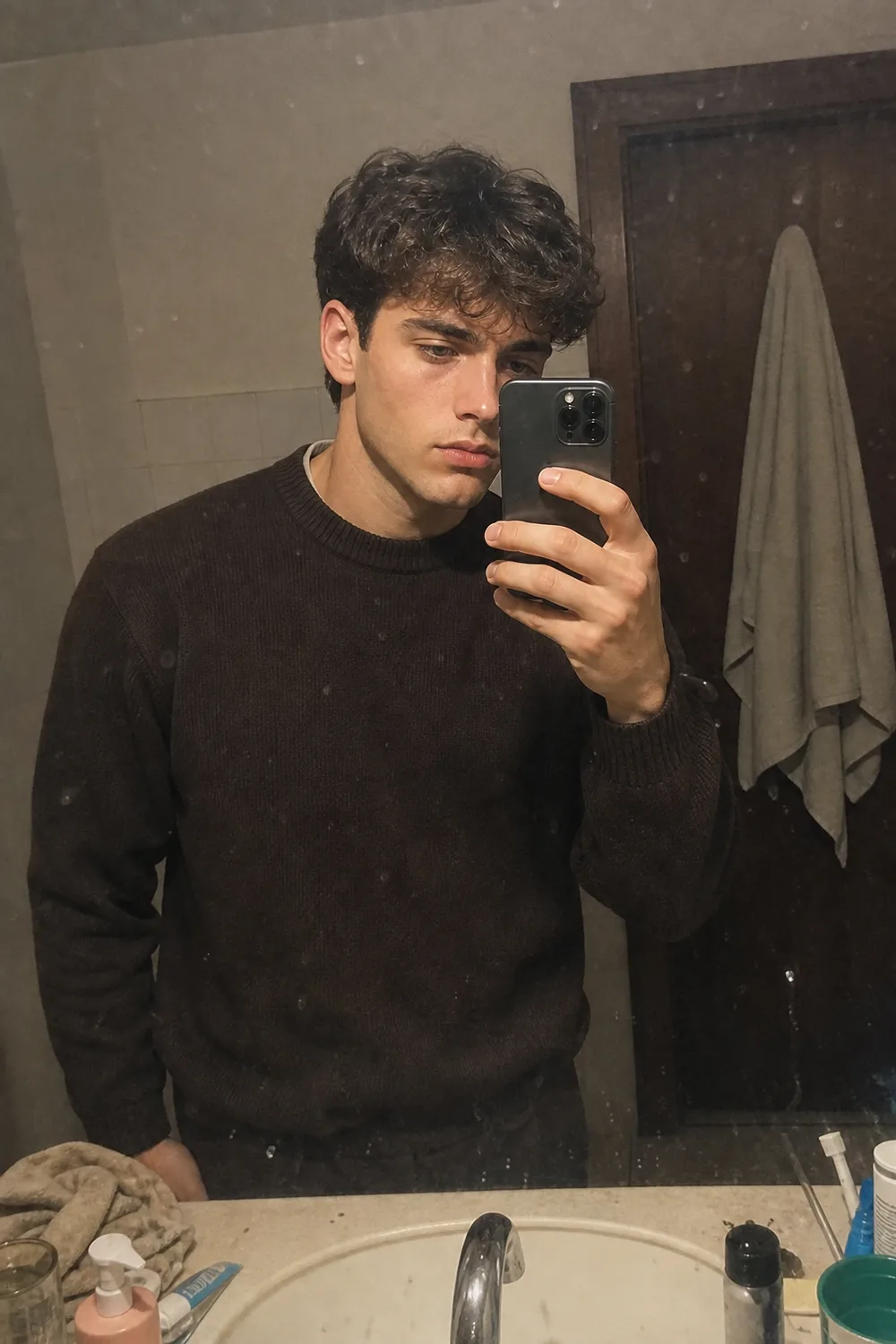 Before
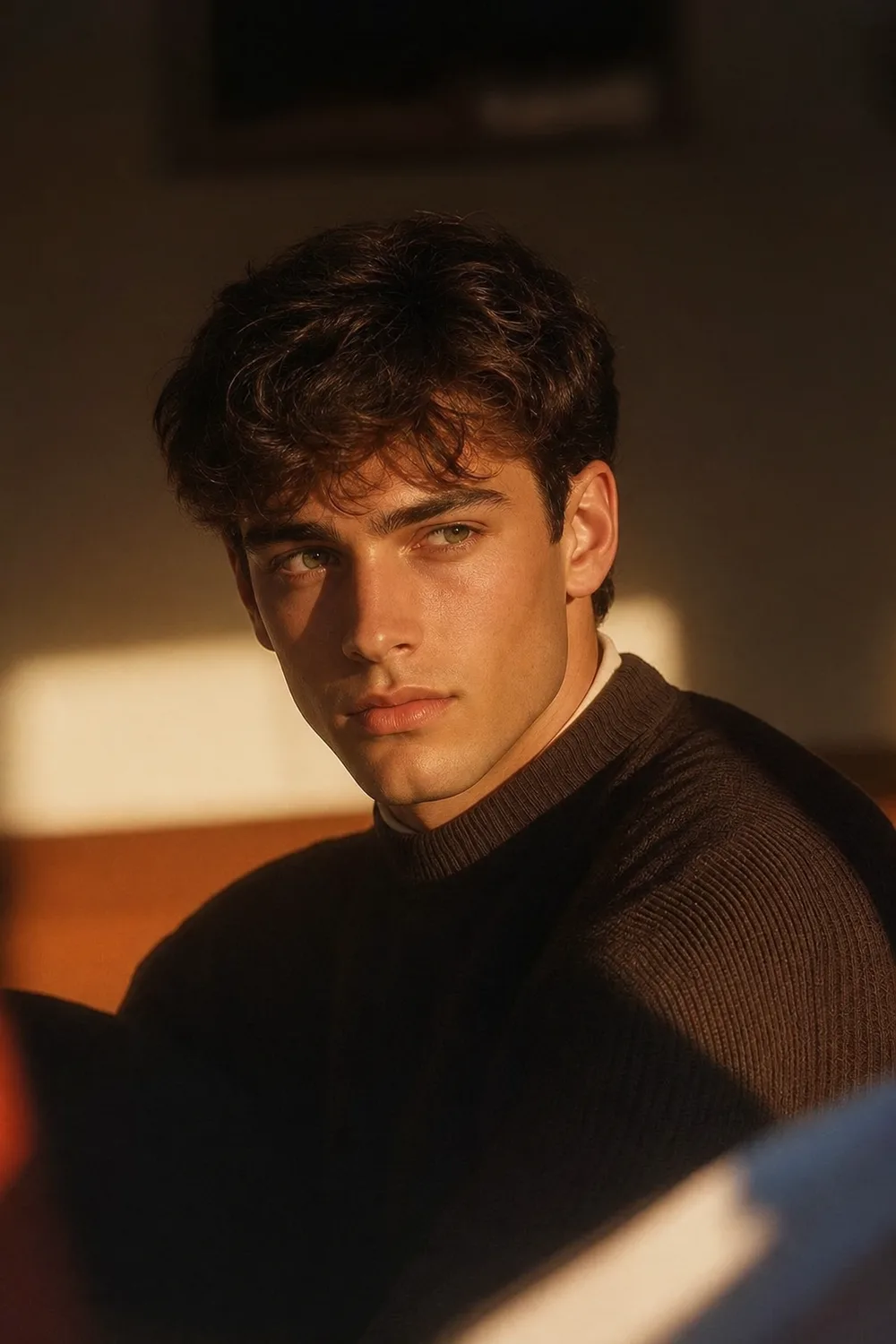 After
AfterStudio / Private by design
See yourself shot properly.
Use our AI dating photo generator to create profile pictures from four everyday selfies. Your uploads are encrypted, never used to train AI, and become inaccessible five days after upload.
Or quick sign-in from here
Dating platforms (Bumble, Tinder, Hinge) are tightening detection and verification for AI-generated images. Bumble added an explicit report option for AI photos in 2024, and Tinder pilots video face-checks in some regions.
Purely synthetic profiles risk removal, lower trust, and fewer meaningful conversations. Internal and independent data indicate profiles that combine authentic candid shots with a limited set of AI-enhanced images get more quality engagement than AI-only sets.
Brief takeaway: use AI to expand and polish real photos, not to fabricate identity.
Quick principles: how to use AI safely and effectivelyUse AI to augment, not replace, your real identity. Keep at least 2–3 clearly authentic lifestyle photos visible on your profile at all times.
- Avoid high-risk edits: no age swaps, no identity swaps, no sexualized or non-consensual imagery.
- Prefer image-conditioned workflows (image-to-image/inpainting) to preserve facial proportions and micro-details.
- Be transparent in spirit: don’t impersonate others or misrepresent key facts; avoid heavy cosmetic surgery-style edits.
Take 4–6 source images that act as anchors for AI conditioning. These photos are your identity truth set.
- Neutral headshot: plain background, good window light, face fully visible (for identity preservation).
- Smile/laugh shot: same outfit, slight angle change—helps convey approachable expressions.
- Hobby/action mid-shot: holding a coffee, cooking at stove, or a backpacked hiking mid-shot (torso to knees).
- Social-context/location cue: background with a cafe, park bench, or a friend’s shoulder in-frame to signal real life context.
- Optional prop/hand close-up: coffee cup, phone, spatula—useful to fix hand/prop artifacts during generation.
Shooting tips:
- Use natural daylight near a window; avoid overhead fluorescent light.
- Choose 2–3 outfits and keep micro-details (watch, mug, scarf) consistent across shots.
- For introverts: use tripod/timer or burst mode and shoot slight off-camera gazes to create candid-feeling frames alone.

Pick 2–3 realistic outfits that reflect how you actually dress: casual tee + denim, smart-casual shirt, and one activity outfit like a hiking shell.
- Keep micro-details consistent across images (same watch, mug, scarf). These "consistency anchors" make generated images feel like the same person.
- Low-cost props that photograph well: coffee cup, headphones, book, backpack, spatula—items that naturally invite a hand or motion.
- Color and contrast tips: use mid-tone clothing (blues, greens, warm neutrals) and avoid tiny busy patterns; props draw attention away from micro facial artifacts and improve thumbnail performance.
Why image-conditioned models: image-to-image and inpainting let you preserve facial identity and posture while changing environment, props, or action. Pure text-only generation is higher risk for identity drift and artifacts.
Core prompt pattern (replace bracketed items):
"Photorealistic candid photo of [same person as input image], mid-shot, natural daylight by a cafe window, holding a white enamel coffee mug, candid laugh, shallow depth of field, slight motion blur on hand, realistic skin texture, consistent hairline and eyebrow shapes, consistent facial proportions with source, warm color grading, 35mm lens look, film grain 8%."
Use this when you supply a source image and run image-to-image or inpainting. Always include the negative prompt portion to reduce artifacts.
Negative prompt (copy/paste):
"no extra fingers, no mismatched earrings, no unnatural eye color, no floating limbs, no facial feature synthesis, no dramatic aging, no cosmetic surgery effects, no grotesque artifacts, avoid over-smoothing."Ready-to-use variants
Coffee shot (image-to-image/inpainting):
Prompt: "Photorealistic candid mid-shot of [same person as input], seated at a cafe table by window, warm window light from left, holding a white enamel mug with steam, candid laugh, shallow DOF, realistic skin pores, preserved facial proportions from source, 35mm lens, film grain 6%."
Negative: "no extra fingers, no weird reflections, no eye color change, no floating objects, no over-smoothing."
Hiking/action shot:
Prompt: "3/4 body candid of [same person as input] on a trail, wearing the same hiking jacket (anchor), backpack visible, wind on hair, natural tree shadows, slight motion blur on legs, dirt smudge on sleeve, maintain face from source, wide-angle 28mm feel."
Negative: "no added people, no unnatural pose, no floating limbs, no inconsistent props."
Cooking/action shot:
Prompt: "Mid-shot candid of [same person as input] at a stove, holding a spatula, pan with steam, warm kitchen ambient light, soft lens flare from right, preserved facial identity, realistic hand grip on spatula."
Negative: "no extra fingers, no mismatched cookware reflections, no odd teeth or ear artifacts."
Prompt tips:
- Always provide at least one source image and emphasize: "preserve facial identity from source image."
- Specify lens and light direction (e.g., "window light from left, 5200K warm") to align shadows.
- Ask for small imperfections to avoid uncanny over-smoothing: "natural stray hairs, slight asymmetry."
- For inpainting, mask only the area you want to change (background, hand, prop) to reduce identity drift.
Prefer models and services that support image-conditioning (image-to-image, inpainting) and let you include provenance or watermark metadata when desired.
Provenance/watermarking is ethically useful: it signals transparency and can reduce circulation of deceptive images. Model lists and capabilities change quickly—verify the current options before you generate at scale.
Common artifact fixes: hands, hairlines, lighting and background mismatchesTypical errors you’ll see and quick fixes:
- Hands: extra fingers, bad grips. Fix: supply a close-up hand photo as conditioning, or inpaint the hand region using a real-hand crop.
- Hairlines/ears/teeth: odd shapes or missing teeth. Fix: inpaint those small regions using the source headshot crop to restore correct anatomy.
- Lighting/shadows: mismatched shadow direction or color. Fix: include "match lighting to source: window left, warm 5200K" and, if needed, composite with the real background and color-grade subtly.
- Background artifacts: floating objects or inconsistent depth. Fix: use depth-of-field prompts, tighter crops, or composite a real background photo.
Thumbnail quick hacks:
- Add subtle film grain (4–8%) or slight motion blur to hide micro-artifacts.
- Crop tighter to head-and-shoulders to reduce odd limb artifacts in thumbnails.
- Use targeted inpainting to repair eyes, teeth, or hand problems rather than regenerating the whole image.
Minimum safety rules before you post any AI-enhanced image:
- Keep at least 2 clearly authentic candid photos on your profile (action shots or social cues).
- Don’t change age significantly, don’t add/remove people, and never create sexualized edits or explicit content.
- If a platform asks for a live video selfie or ID, be prepared to show real footage that matches your real photos—AI images won’t pass live verification.
- Avoid impersonation and non-consensual edits; creating deepfakes or deceptive images can be illegal and harmful.
Simple experiment design:
- Variant A: AI-enhanced first photo (thumbnail) + 3 real candids.
- Variant B: Real neutral first photo + same 3 real candids.
Run for 7–14 days and track:
- Impressions (swipe views) and match rate.
- Meaningful-message rate (matches that lead to multi-message exchanges).
- Progression to voice/video call—this signals trust beyond swipes.
Micro-tests:
- Thumbnail-only swap to measure first-impression lift or drop.
- Seasonal/outfit variations to test visual relevance.
Interpretation tip: an AI image that increases impressions but reduces conversation depth is usually a net loss—prioritize meaningful engagement over vanity metrics.
Tailoring tips for introverts and low-resource usersLow-effort shoot routine (2–3 minute self-shoot):
- Neutral headshot: set camera on a stack, two-step timer, natural window light.
- Laugh/smile: use burst mode while recalling a real laugh or joke.
- Prop action: hold a book or coffee and look off-camera—one continuous burst will yield candid frames.
Props & activities that work well alone: book, coffee cup, pet, headphones, backpack. These give you believable, low-pressure actions.
Approachability cues: camera slightly above eye level, soft half-smile, slight head tilt, small natural motions—these help images read as friendly and authentic.
Quick checklist & 10-minute action planCopyable checklist:
- 5 source shots (headshot, smile, hobby mid-shot, location cue, hand close-up)
- 3 outfit/prop anchors (casual, smart-casual, activity)
- 3 prompt templates to try (coffee, hiking, cooking)
- Artifact-fix steps (hand crop, inpaint, lighting match)
- A/B test plan (7–14 days, track impressions & meaningful-message rate)
Suggested session order for a single quick run:
- Shoot 5 source photos (10 minutes).
- Generate 3 AI variants using image-to-image or inpainting (15–30 minutes).
- Apply quick artifact fixes (inpainting or small crops).
- Upload with 2 real candids visible and begin A/B test.
Recommended reading and sources to verify on publish date:
- TechCrunch: Bumble reporting option for AI-generated profiles (2024).
- The Verge: Tinder video face-check pilots and verification notes.
- ArXiv papers on photorealistic image generation and artifact detection.
- Consumer security surveys (McAfee, 2024–2025) on user trust and scams.
Note: model lists and platform policies change rapidly—double-check terms and available model features the day you publish.
ConclusionBelievable AI candid photos work best when they augment a small, honest set of real source images. Use image-conditioned generation, keep 2–3 authentic candids visible, maintain wardrobe/prop consistency, fix common artifacts with targeted inpainting, and run short A/B tests focused on meaningful engagement—not just impressions.
Follow the safety checklist before posting, and prioritize transparency and identity preservation to protect matches and your account. If you want, I can produce exact model-specific prompt files or a downloadable A/B testing spreadsheet to run your first experiment.
Questions, answered.
01Are AI-generated dating photos allowed on Tinder, Bumble, or Hinge?+
Short answer: not uniformly—many apps permit some edits but explicitly discourage or flag deceptive AI-generated images. Bumble added an AI-reporting option and platforms use AI+human moderation; Tinder is rolling out stricter live verification in some regions, so wholly synthetic profiles risk removal or failed verification. Use AI only to augment real photos and avoid deceptive edits, sexualized content, or impersonation to stay within most apps' policies and ethics guidance.
02Will AI candid photos actually get me more matches?+
Possibly for impressions, but not reliably for meaningful matches—AI-enhanced thumbnails can increase swipes, yet studies and platform data show pure synthetic sets often lower conversation and reply rates. The best results come from mixing AI-enhanced variants with multiple authentic lifestyle candids (for example: one AI headshot plus three real action shots), which preserves trust while improving visual variety.
03How many real photos should I keep on my profile to stay verification-safe?+
Keep at least two to three clearly real, context-rich photos on your profile to reduce suspicion and support verification. Prefer action shots (friends, locations, hobbies) that show consistent props or outfits with any AI images; if your region requires video or face checks, real photos and live verification must match, so rely on authentic anchors rather than an AI-only gallery.
04What quick fixes help when AI creates weird hands or hair?+
Start by conditioning the generation with close-up hand or hair reference images and add prompts like “realistic hand with five fingers” or “preserve original hairline; no stray oddities.” If the generator still fails, use inpainting to replace the problematic region with a cropped real-source patch, or subtly crop/blur the area and add film grain to hide micro-artifacts while keeping overall realism.
05How do I test whether AI photos help or hurt my matches?+
Run simple A/B tests over 7–14 days: Test A = profile with one AI-enhanced headshot plus three real candids; Test B = same set with the AI image replaced by a real headshot, and compare impressions, match rate, reply rate, and progression to video calls. Alternatively swap only the thumbnail to measure first-swipe impact and track meaningful engagement (messages >1 or video calls) rather than vanity swipes.
Author / reviewed profile
James Park
James Park is a relationship researcher and digital marketing specialist who studies how visual presentation impacts online dating success. His research on dating app profile optimization has been cited in academic journals and popular media. James holds an M.S. in Social Psychology from UCLA.