
12 Scripts to Disclose AI Dating Photos Without Losing Matches
Cover real-world disclosure scripts for profile bios, opening messages, and pre-date notes plus split-test ideas and an ethical checklist to use AI photos without losing matches.

Short answer: Yes — you can use AI-enhanced photos and retain matches if you disclose material edits transparently. Use a one-line profile disclosure for light retouching, clearly label stylized or synthetic images, and offer quick verification (recent selfie or 30‑sec video). Platform- and stage-specific scripts reduce reports, unmatches, and awkward pre-date moments.
This post gives 12 ready-to-paste scripts (profile lines, opening messages, pre-date templates), a split-test framework to measure disclosure impact, a platform policy roundup, and a short ethical checklist so you can safely use AI enhancements without sacrificing trust.
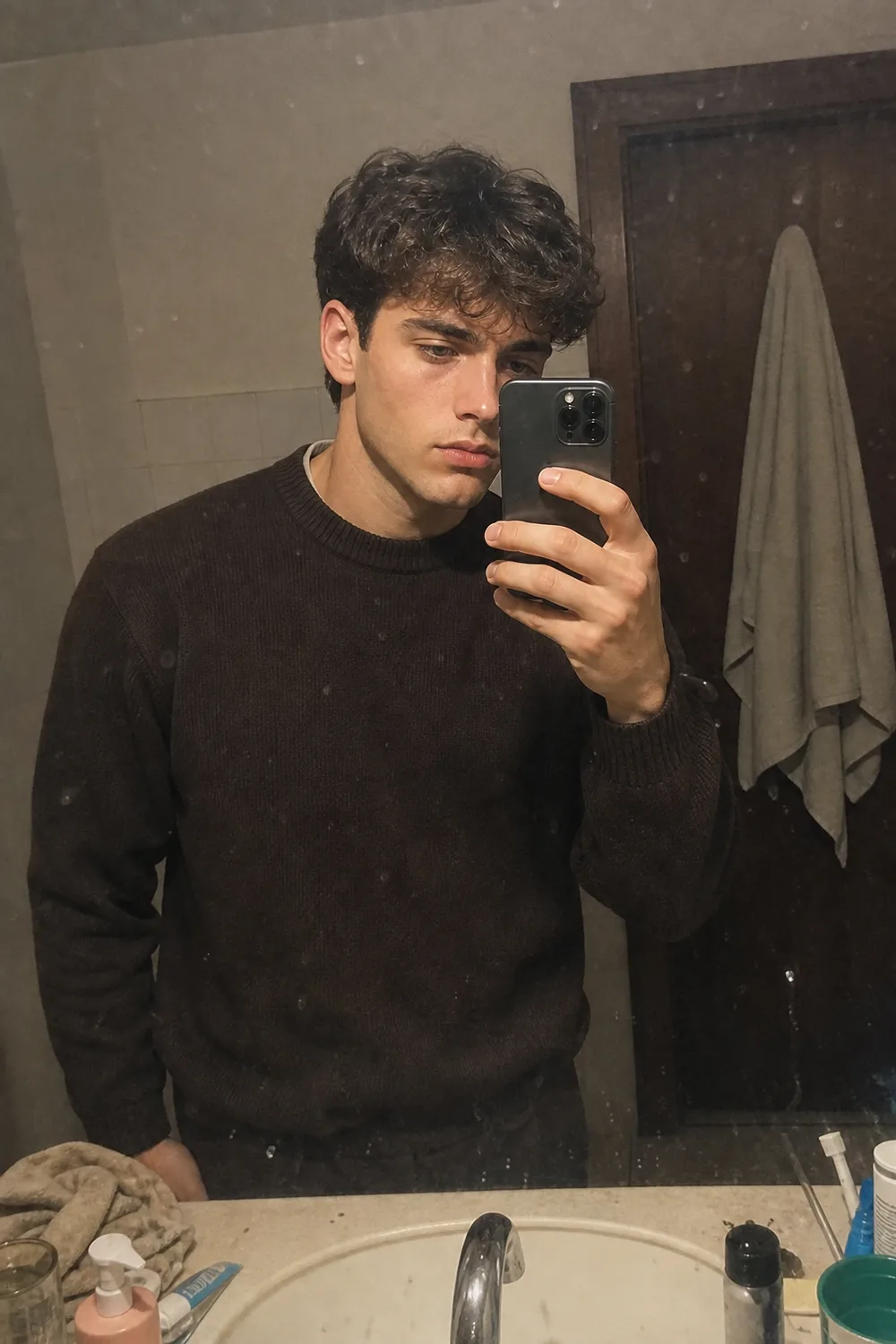 Before
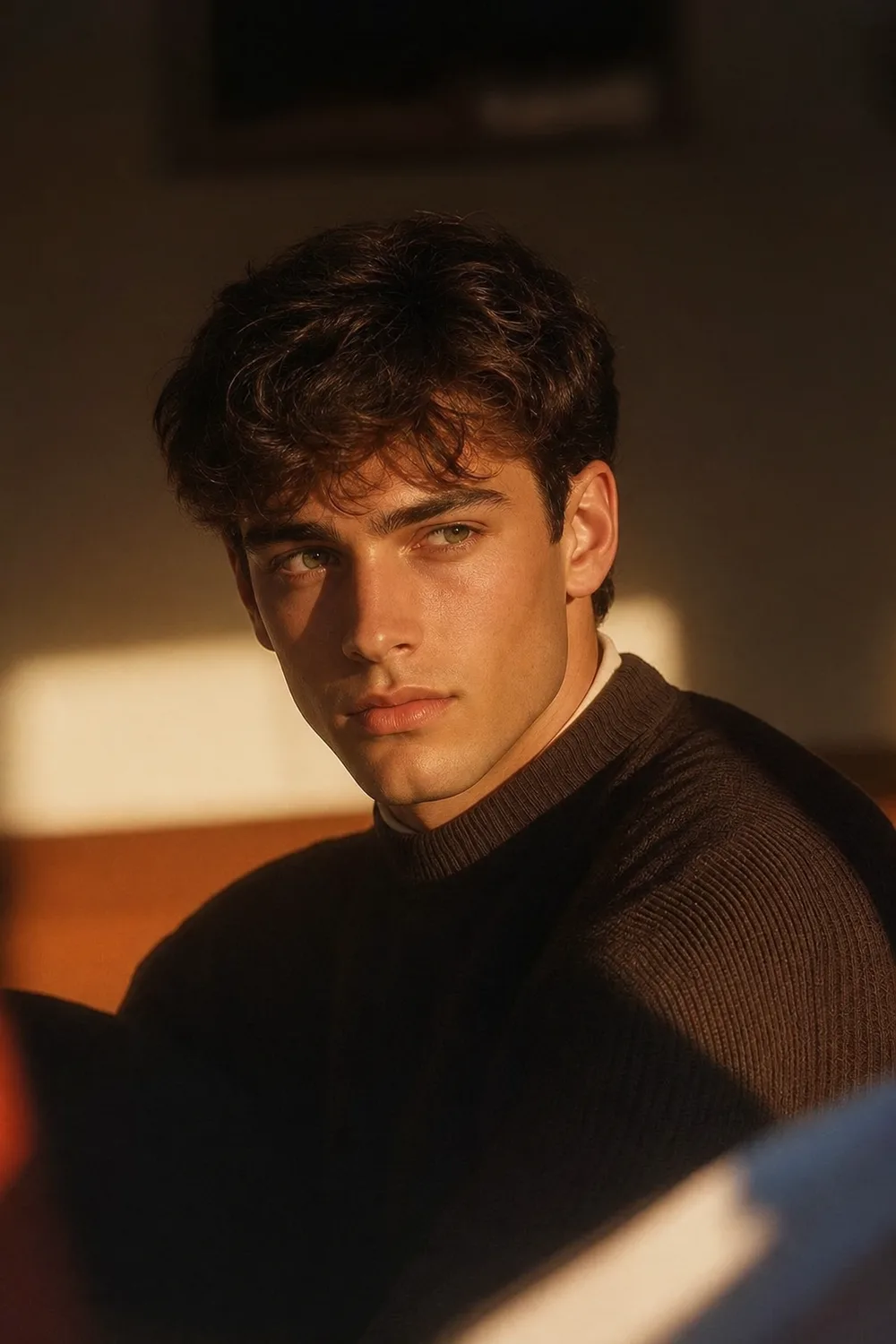 After
AfterStudio / Private by design
See yourself shot properly.
Use our AI dating photo generator to create profile pictures from four everyday selfies. Your uploads are encrypted, never used to train AI, and become inaccessible five days after upload.
Or quick sign-in from here
What are AI dating photos—and why disclosure matters
AI dating photos fall into two broad types: AI-generated images (fully synthetic faces or scenes) and AI-enhanced photos (lighting, color, skin smoothing, background cleanup). The key difference: generated images create a new likeness; enhanced photos modify a real one.
Disclosure matters because dating is built on perceived honesty. Platforms and users treat identity‑replacing images as potential deception—leading to reports, bans, or lower downstream conversions (matches→messages→dates).
Research snapshot: better photo quality—professional or well‑edited—consistently increases swipe and match rates, but profiles relying on obviously synthetic or deceptive images show higher drop‑off before dates. Use AI to improve clarity and lighting, not to create a different person.
Platform policies & enforcement: Tinder, Bumble, Hinge and trends
Dating apps are tightening rules and adding reporting/verification features. Bumble introduced an option to report AI‑generated images and invests in detection tools. Tinder/Match Group have experimented with mandatory Face Check-style verifications to catch bots and synthetic personas.
- Acceptable edits: light retouching (color, lighting, minor blemish removal) is usually tolerated.
- High‑risk edits: full synthetic faces, major body reshaping, or inserted lifestyle cues (travel, pets) are flagged by safety teams.
- Enforcement outcomes: warnings, profile removal, or account bans in some cases—especially where edits materially misrepresent identity.
Practical tip: avoid synthetic images as your primary photo and check each app’s help/policy pages before publishing. Label stylized images clearly and keep multiple authentic photos that match your current appearance.

Do AI photos actually increase matches? (data-driven view)
Photos drive initial decisions: the first photo dominates swipe behavior. Studies and platform analyses show that a high-quality first photo—clear face shot, good lighting, smiling eye contact—delivers the biggest uplift in match rate.
What changes when AI is involved?
- Realistic enhancements (lighting, clarity) generally increase swipe and match rates and keep downstream conversion strong.
- Fully synthetic or obviously stylized images can boost superficial likes but usually harm message conversion, conversation depth, and date scheduling when detected as inauthentic.
Metrics to watch beyond swipe rate:
- Match→message conversion (did matches start a conversation?)
- Reply rate and message depth (are messages short or engaged?)
- Match→date scheduling rate (do matches turn into planned meetups?)
- Report/unmatch rate (sign of authenticity concerns)
Short takeaway: use AI to improve perceived photo quality, but preserve honesty to maintain downstream success.
The disclosure principle: when to disclose and how much
Core rule: disclose when edits materially change appearance or imply activities/locations you didn’t actually do. If a change affects recognizability—age smoothing, body reshaping, or adding people/places—disclose it.
Levels of edits:
- Minor: lighting, contrast, color balance, tiny blemish fixes — disclose briefly in bio if you like (optional in many apps).
- Material: age or body adjustments, inserted elements, or fully synthetic faces — disclose clearly and avoid using as primary image.
Where to put disclosure: short bio line, image caption/prompt (where supported), or a message if asked. Tone options: casual (“minor lighting edits”), direct (“one pic is stylized”), or trust-first (“happy to send a quick selfie or video”).
12 ready-to-paste disclosure scripts (profile, message, pre-date)
Overview: scripts below are organized by stage—pick one profile-line disclosure and one message template; keep tone consistent across profile and messages. Each script offers verification options (selfie, short video, or social link).
Profile-line scripts (short bio disclosures)
Placement tip: add near a prompt or at the end of your bio so it’s visible without dominating your profile.
- Casual: “Minor lighting + color edits (phone + AI). Real me in every pic.”
- Direct: “One image stylized—other photos are current, unedited.”
- Trust-first: “Used subtle AI retouching. Happy to share a recent selfie or hop on a 30‑sec vid call.”
- Short & punchy (for limited fields): “AI lighting tweaks — same person, all real pics.”
Opening-message scripts (if a match asks about your photos)
Respond quickly and calmly—normalizing disclosure reduces distrust. Offer verification options to close the loop.
- Friendly: “Yep—that’s an AI‑enhanced shot for better lighting. Want a quick unedited selfie?”
- Boundary-setting: “I used small edits for lighting. If that’s a dealbreaker I get it—I can send a recent pic or we can skip.”
- Playful: “Caught me—AI helped the lighting look cinematic. Still me though—coffee + selfie confirmation?”
- Direct verification: “That image is stylized. I’ll send a 30‑sec video or a fresh selfie—what works for you?”
- Short pivot to date: “Small edits on a couple pics. If you’d like proof, selfie or meet for a quick coffee?”
Pre-date templates (proactive reassurance before meeting)
Send 24–48 hours before the date. Keep tone calm and confident—don’t be defensive.
- Heads-up + verification: “Looking forward to tomorrow. Quick note: I used subtle AI retouching on some photos for lighting. If you want, I can send a recent selfie or jump on a 30‑sec video call beforehand.”
- Reassurance + meeting plan: “Excited to meet—some profile pics were light‑edited. I’ll bring an unedited photo and meet at [place/time] as planned.”
- Opt-in for video check: “I used minor edits on a couple images. If it helps, we can do a 30‑sec video check before we meet.”
Platform-specific variants & placement recommendations
Tailor copy to app constraints: Tinder/Bumble have short bio/prompt fields; Hinge supports prompts and longer answers. Use the app’s prompt or caption field to label stylized images where possible.
- Primary photo: use a current, unedited or lightly enhanced face photo. Don’t put a fully synthetic face first.
- Secondary stylized images: label clearly—“stylized edit” or “AI art” in the caption or prompt.
- Prompt placement: on Hinge, attach disclosures to a relevant prompt; on Bumble/Tinder, place a short line at the start or end of the bio so it’s visible under the primary photo.
Split-test framework: measure disclosure impact (A/B test ideas)
Measure downstream conversions, not just raw swipes. Track match→message→date so you capture trust effects.
-
Test A — No disclosure vs bio disclosure
Setup: identical profiles with lighting edits; one uses a short disclosure line. Metrics: swipe rate, match→message, date scheduling. Hypothesis: disclosure may lower raw swipes slightly but raise message and date rates. -
Test B — Disclosure vs disclosure + verification
Setup: add verification option (selfie/video or social link). Metrics: message depth, scheduled meetups, unmatch/report rate. Hypothesis: verification boosts downstream trust and meetups. -
Test C — Realistic vs stylized with/without disclosure
Setup: realistic enhancements vs obviously stylized images, each with and without disclosure. Metrics: immediate matches, reply rate, drop-off before date. Hypothesis: stylized without disclosure performs worst; with disclosure it recovers some trust but lags realistic edits. -
Test D — Messaging timing (proactive vs reactive)
Setup: proactive pre-date disclosure vs reactive replies. Metrics: show-rate, cancel rate, report/unmatch rate. Hypothesis: proactive reassurance increases show-rate and reduces last-minute cancels.
Sample size & duration tips:
- Run tests for 2–4 weeks per variant or until you reach a statistical baseline (hundreds of swipes/matches ideally).
- Prioritize metrics: date scheduling rate and report/unmatch rate over raw swipe uplift.

Quick ethical checklist: retain trust while using AI
- Keep multiple consistent photos — ensure face proportions and hairstyle are consistent across images.
- Never use a fully synthetic face as your primary photo.
- Disclose material edits (age, body shape, inserted places/people) in your bio or image caption.
- Offer easy verification — fresh selfie, short video, or social profile links.
- Do not fabricate experiences or activities in your bio that AI images imply.
Why it matters: platforms treat deception seriously, users prefer authenticity, and honest profiles convert better to real-world dates. Ready-to-paste microcopy variants: “Minor lighting edits—real me.” / “Stylized image—see other photos for real me.”
Alternatives to AI or complementary strategies
Low-cost options often outperform heavy edits for trust and conversion.
- Smartphone lighting tricks: golden-hour window light, shaded outdoor shots, and a simple reflector (white poster board).
- DIY portrait tips: stable camera, eye-level framing, one clear smile, and a full-body shot.
- One-session pro photoshoot: affordable and often yields the best conversion without disclosure friction.
- Mix strategy: use AI for subtle clarity fixes and include at least three authentic photos (close-up, full body, activity).
Put it into practice: 5-step action plan
- Audit your photos → label which are AI‑enhanced vs unedited.
- Decide which edits are material and require disclosure.
- Add one short profile-line disclosure that matches your tone.
- Prepare an opening reply and a pre-date template for verification.
- Run a 2‑week split-test tracking match→message→date and report/unmatch rates.
Copy/paste checklist for execution: check app policy → add profile disclosure → store selfie/video options → schedule split-test → review KPIs.
Conclusion and next steps
Transparent disclosure preserves trust and often improves downstream outcomes despite small swipe-rate tradeoffs. Use AI to enhance clarity, not identity, and pair edits with a short bio disclosure plus verification options.
Next actions: download a one-page checklist, run the split-tests above, and double-check each app’s latest policy before publishing edits. Honest profiles lead to better dates.
Questions, answered.
01Is it illegal or a policy violation to use AI-generated photos on Tinder/Bumble/Hinge?+
It isn’t universally illegal, but platform rules are tightening and some uses can violate Tinder, Bumble or Hinge policies. Light edits for lighting/clarity are generally tolerated, while fully synthetic faces, major body reshaping or deceptive lifestyle inserts are increasingly treated as reportable deception and may lead to warnings, removals or bans—check each app’s current terms and safety pages before posting.
02Will disclosing AI edits reduce my match rate?+
Disclosing AI edits can slightly lower raw swipe rates but usually improves downstream trust and conversion to messages or dates. Industry data show high-quality photos drive matches, but transparency tends to increase reply rate and in-person meetups—run A/B tests (swipe→message→date) to measure whether disclosure improves long-term outcomes for your profile.
03How should I label a stylized or avatar image in my profile?+
Label stylized or avatar images clearly and put real photos up front—for example: “Stylized avatar—see real photos” or “Cartoon edit; real pics below.” Always include multiple unedited photos that match current appearance and avoid presenting stylized images as literal evidence of lifestyle or identity to reduce reports and confusion.
04What metrics should I track to know if disclosure helps or hurts?+
Track downstream conversion metrics: swipe-right rate, match-to-message conversion, average message length/engagement, match-to-date scheduling rate, and report/unmatch rates. Prioritize match-to-first-date and message quality over raw swipe numbers—those measure trust and real-world success more reliably than initial likes alone.
05How do I prove I’m the real person in my photos without oversharing?+
Offer low-friction verification like a recent unedited selfie, a 10–30 second video or a link to an active social profile, and mention this in your bio (e.g., “happy to send a selfie or quick video”). These options confirm identity without revealing sensitive personal details; reserve more personal verification for later, in-person meetings.
Author / reviewed profile
James Park
James Park is a relationship researcher and digital marketing specialist who studies how visual presentation impacts online dating success. His research on dating app profile optimization has been cited in academic journals and popular media. James holds an M.S. in Social Psychology from UCLA.